• SHOP
  • CLUB
0
My Garage
Add vehicle
0
items #
0,00 €
Your basket is empty

Spark plug iridium and platinum for car

Select your car model to search for engine spark plug auto
Select maker
Select maker
Other
Sorry, no matches were found for your query
Select model
Select model
All models
Other
Sorry, no matches were found for your query
Select engine
Select engine
Other
Sorry, no matches were found for your query
CAN’T FIND YOUR CAR IN THE CATALOGUE?

Order Engine spark plug iridium and platinum at a fair price
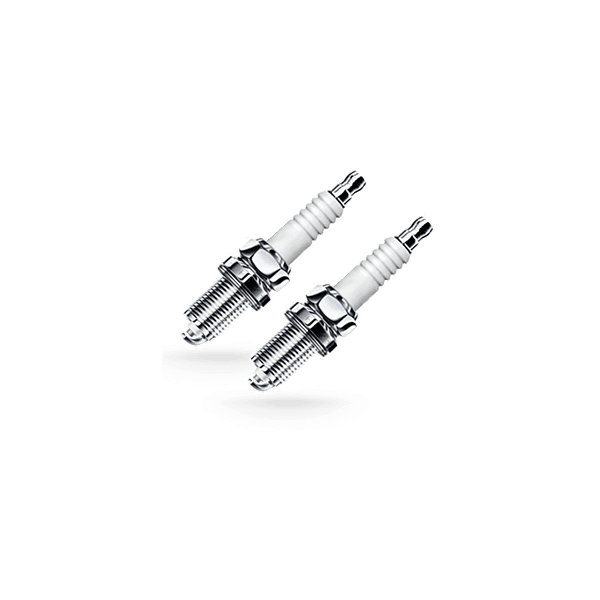
Spark plug iridium and platinum, platinum and iridium: wide range of parts from top brands online
Economical Spark plug

Spark plug: top brands

Engine spark plug for leading car makes

Engine spark plug for top car models

AUTODOC Bestsellers: Spark plug at a good price

View bestsellers

The top-selling spare parts in the Spark plug category. Browse our huge wide range of high-quality car parts from top brands in the category Spark plug and others.
-40%
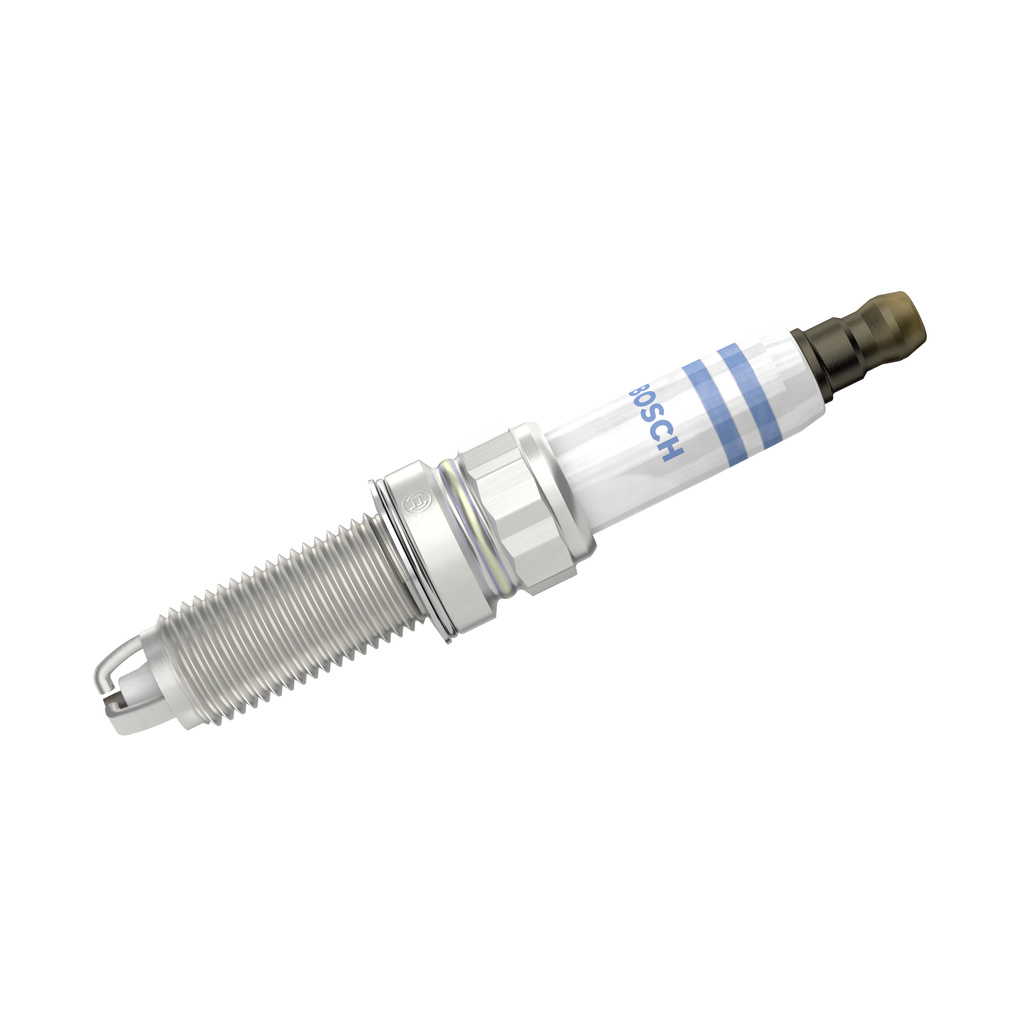
BOSCH 0 242 235 666 car Spark plug price
Reviews - 79
Parts Details
  • Electrode Gap [mm]: 0,9
  • Spanner Size: 16 mm
  • Thread Length [mm]: 19
  • Spark Position [mm]: 3
  • Thread Size: M 14 x 1,25
  • Tightening Torque [Nm]: 28
  • Number of pins: 1
  • BOSCH: Spark plug
  • Item number: 0 242 235 666
  • Condition: New
Details
BOSCH FR 7 DC+ Spark plug M 14 x 1,25, Spanner Size: 16 mm
Article number: 0 242 235 666
compared to RRP 6,05 €

3, 59
Price per item
14,36 € / Price per 4 items
price incl. 19% VAT, excl. delivery costs
-51%
BOSCH 0 242 235 668 car Spark plug price
Reviews - 21
Parts Details
  • Electrode Gap [mm]: 0,9
  • Spanner Size: 16 mm
  • Thread Length [mm]: 19
  • Spark Position [mm]: 6
  • Thread Size: M 14 x 1,25
  • Tightening Torque [Nm]: 28
  • Number of pins: 2
  • BOSCH: Spark plug
  • Item number: 0 242 235 668
  • Condition: New
Details
BOSCH FR 7 LDC+ Spark plug M 14 x 1,25, Spanner Size: 16 mm
Article number: 0 242 235 668
compared to RRP 10,33 €

4, 99
Price per item
19,96 € / Price per 4 items
price incl. 19% VAT, excl. delivery costs
-67%
BOSCH 0 242 235 766 car Spark plug price
Reviews - 15
Parts Details
  • Electrode Gap [mm]: 1,0
  • Spanner Size: 16 mm
  • Thread Length [mm]: 19
  • Spark Position [mm]: 5
  • Thread Size: M 14 x 1,25
  • Tightening Torque [Nm]: 28
  • Number of pins: 3
  • BOSCH: Spark plug
  • Item number: 0 242 235 766
  • Condition: New
Details
BOSCH FR 7 KTC Spark plug M 14 x 1,25, Spanner Size: 16 mm
Article number: 0 242 235 766
compared to RRP 14,16 €

4, 59
Price per item
18,36 € / Price per 4 items
price incl. 19% VAT, excl. delivery costs
-39%
NGK 97153 car Spark plug price
Reviews - 51
Parts Details
  • Spark Plug: Iridium Middle Electrode, 1 - Earthed Electrode, Interference Suppression 1 kOhm, with gasket seat, Fixed SAE connector
  • Spanner Size: 16 mm
  • Thread Length [mm]: 19,0
  • Spark Position [mm]: 7,0
  • Thread Size: M14 x 1,25
  • NGK: Spark plug
  • Item number: 97153
  • Condition: New
Details
NGK IZFR6P7 Spark plug M14 x 1,25, Spanner Size: 16 mm
Article number: 97153
compared to RRP 29,04 €

17, 49
Price per item
69,96 € / Price per 4 items
price incl. 19% VAT, excl. delivery costs
-41%
NGK 7811 price of Spark plug for my car
Reviews - 42
Parts Details
  • Spark Plug: Unscrewable SAE connector, Nickel Middle Electrode, 1 - Earthed Electrode, no interference suppression, with gasket seat
  • Spanner Size: 20,8 mm
  • Thread Length [mm]: 19,0
  • Spark Position [mm]: 3,0
  • Thread Size: M14 x 1,25
  • NGK: Spark plug
  • Item number: 7811
  • Condition: New
Details
NGK BP6ES Spark plug M14 x 1,25, Spanner Size: 20,8 mm
Article number: 7811
compared to RRP 5,65 €

3, 29
Price per item
13,16 € / Price per 4 items
price incl. 19% VAT, excl. delivery costs
-20%
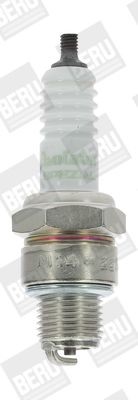
BERU ISOLATOR M14-175 price of Spark plug for my car
Reviews - 5
Parts Details
  • Product line: ISOLATOR
  • Spark Plug: 1 - Earthed Electrode, with gasket seat
  • Electrode Gap [mm]: 0,6
  • Spanner Size: 21 mm
  • Thread Length [mm]: 12,5
  • Spark Position [mm]: 1,82
  • Thread Size: M14x1,25
  • Connector type: M4
  • Manufacturer Restriction: WARTBURG
  • Technical Information Number: M 14-175
  • Tightening torque from [Nm]: 20
  • Tightening torque to [Nm]: 30
  • BERU: Spark plug
  • Item number: M14-175
  • Condition: New
Details
BERU 0 001 435 307 Spark plug M 14-175, M14x1,25, Spanner Size: 21 mm
Article number: M14-175
compared to RRP 5,40 €

4, 29
Price per item
17,16 € / Price per 4 items
price incl. 19% VAT, excl. delivery costs
-23%
NGK 6953 price of Spark plug for my car
Reviews - 34
Parts Details
  • Spark Plug: Nickel Middle Electrode, 1 - Earthed Electrode, Interference Suppression 5 kOhm, with gasket seat, Fixed SAE connector
  • Spanner Size: 16 mm
  • Thread Length [mm]: 19,0
  • Spark Position [mm]: 3,0
  • Thread Size: M14 x 1,25
  • NGK: Spark plug
  • Item number: 6953
  • Condition: New
Details
NGK BKR5E-11 Spark plug M14 x 1,25, Spanner Size: 16 mm
Article number: 6953
compared to RRP 6,54 €

4, 99
Price per item
19,96 € / Price per 4 items
price incl. 19% VAT, excl. delivery costs
-16%
NGK 2922 price of Spark plug for my car
Reviews - 5
Parts Details
  • Spark Plug: Nickel Middle Electrode, 1 - Earthed Electrode, Interference Suppression 5 kOhm, with taper gasket seat, Fixed SAE connector
  • Spanner Size: 20,8 mm
  • Thread Length [mm]: 10,9
  • Spark Position [mm]: 3,0
  • Thread Size: M18 x 1,5
  • NGK: Spark plug
  • Item number: 2922
  • Condition: New
Details
NGK APR6FS Spark plug M18 x 1,5, Spanner Size: 20,8 mm
Article number: 2922
compared to RRP 5,95 €

4, 99
Price per item
19,96 € / Price per 4 items
price incl. 19% VAT, excl. delivery costs
-41%
BOSCH 0 242 222 505 Engine spark plug for car
Reviews - 14
Parts Details
  • Electrode Gap [mm]: 1,1
  • Spanner Size: 16 mm
  • Thread Length [mm]: 19
  • Spark Position [mm]: 5
  • Thread Size: M 14 x 1,25
  • Tightening Torque [Nm]: 28
  • Number of pins: 4
  • BOSCH: Spark plug
  • Item number: 0 242 222 505
  • Condition: New
Details
BOSCH FR 91 X Spark plug M 14 x 1,25, Spanner Size: 16 mm
Article number: 0 242 222 505
compared to RRP 10,79 €

6, 29
Price per item
25,16 € / Price per 4 items
price incl. 19% VAT, excl. delivery costs
BERU Z11 Spark plug for car
Reviews - 2
Parts Details
  • Product line: ULTRA
  • Spark Plug: 1 - Earthed Electrode, with gasket seat
  • Spanner Size: 21 mm
  • Thread Length [mm]: 19
  • Self-service suited packaging see parts list
  • Technical Information Number: 14-7 DU
  • Packaging length [cm]: 9
  • Packaging height [cm]: 2
  • Packaging width [cm]: 2
  • Tightening torque from [Nm]: 20
  • Tightening torque to [Nm]: 30
  • BERU: Spark plug
  • Item number: Z11
  • Condition: New
Details
BERU 0 001 335 702 Spark plug 14-7 DU, Spanner Size: 21 mm
Article number: Z11
45, 99
Price per item
183,96 € / Price per 4 items
price incl. 19% VAT, free delivery
-41%
BOSCH 0 242 129 510 Engine spark plugs for car
Reviews - 36
Parts Details
  • Electrode Gap [mm]: 0,9
  • Spanner Size: 14
  • Thread Length [mm]: 26,5
  • Spark Position [mm]: 5
  • Thread Size: M 12 x 1,25
  • Tightening Torque [Nm]: 23
  • Number of pins: 1
  • BOSCH: Spark plug
  • Item number: 0 242 129 510
  • Condition: New
Details
BOSCH +40 Spark plug M 12 x 1,25, Spanner Size: 14
Article number: 0 242 129 510
compared to RRP 12,02 €

6, 99
Price per item
27,96 € / Price per 4 items
price incl. 19% VAT, excl. delivery costs
-58%
BOSCH 0 242 236 593 Spark plug for car
Reviews - 20
Parts Details
  • Electrode Gap [mm]: 1,1
  • Spanner Size: 16 mm
  • Thread Length [mm]: 26,5
  • Spark Position [mm]: 4
  • Thread Size: M 14 x 1,25
  • Tightening Torque [Nm]: 28
  • Number of pins: 1
  • BOSCH: Spark plug
  • Item number: 0 242 236 593
  • Condition: New
Details
BOSCH 9613 Spark plug M 14 x 1,25, Spanner Size: 16 mm
Article number: 0 242 236 593
compared to RRP 28,56 €

11, 99
Price per item
47,96 € / Price per 4 items
price incl. 19% VAT, excl. delivery costs
-25%
NGK 7168 car Engine spark plug cost
Reviews - 7
Parts Details
  • Spark Plug: Nickel Middle Electrode, 2 - Earthed Electrode, Interference Suppression 5 kOhm, with gasket seat, Fixed SAE connector
  • Spanner Size: 16 mm
  • Thread Length [mm]: 19,0
  • Spark Position [mm]: 4,7
  • Thread Size: M12 x 1,25
  • NGK: Spark plug
  • Item number: 7168
  • Condition: New
Details
NGK DCPR8EKC Spark plug M12 x 1,25, Spanner Size: 16 mm
Article number: 7168
compared to RRP 14,10 €

10, 49
Price per item
41,96 € / Price per 4 items
price incl. 19% VAT, excl. delivery costs
-46%
BOSCH 0 242 140 565 car Spark plug cost
Reviews - 16
Parts Details
  • Electrode Gap [mm]: 0,7
  • Spanner Size: 14
  • Thread Length [mm]: 26,5
  • Spark Position [mm]: 4
  • Thread Size: M 12 x 1,25
  • Tightening Torque [Nm]: 23
  • Number of pins: 1
  • BOSCH: Spark plug
  • Item number: 0 242 140 565
  • Condition: New
Details
BOSCH VAR6NIP Spark plug M 12 x 1,25, Spanner Size: 14
Article number: 0 242 140 565
compared to RRP 34,51 €

18, 49
Price per item
price incl. 19% VAT, excl. delivery costs
-24%
CHAMPION OE261 car Engine spark plugs cost
Reviews - 40
Parts Details
  • Spark Plug: 1 - Earthed Electrode, with gasket seat, Iridium Middle Electrode
  • Electrode Gap [mm]: 0,7
  • Spanner Size: 14 mm
  • Quality / Grade: Pt GE
  • Thread Length [mm]: 26,5
  • Spark Position [mm]: 4,0
  • Thread Size: M12x1.25
  • Connector type: SAE
  • Packing Type: Box
  • Technical Information Number: REA10WYPB
  • Resistor to [kOhm]: 10
  • Tightening torque from [Nm]: 20
  • Tightening torque to [Nm]: 25
  • Packaging length [cm]: 9
  • Packaging width [cm]: 2,8
  • Packaging height [cm]: 2,5
  • Projection [mm]: 2,0
  • CHAMPION: Spark plug
  • Item number: OE261
  • Condition: New
Details
CHAMPION REA10WYPB Spark plug REA10WYPB, M12x1.25, Spanner Size: 14 mm, Pt GE
Article number: OE261
compared to RRP 18,46 €

13, 99
Price per item
55,96 € / Price per 4 items
price incl. 19% VAT, excl. delivery costs
-51%
BOSCH 0 242 240 707 car Spark plug cost
Reviews - 54
Parts Details
  • Electrode Gap [mm]: 0,7
  • Spanner Size: 16 mm
  • Thread Length [mm]: 19
  • Spark Position [mm]: 4
  • Thread Size: M 14 x 1,25
  • Tightening Torque [Nm]: 28
  • Number of pins: 1
  • BOSCH: Spark plug
  • Item number: 0 242 240 707
  • Condition: New
Details
BOSCH FR 6 KII 332 S Spark plug M 14 x 1,25, Spanner Size: 16 mm
Article number: 0 242 240 707
compared to RRP 26,66 €

12, 99
Price per item
51,96 € / Price per 4 items
price incl. 19% VAT, excl. delivery costs
-35%
NGK 97124 car Spark plug cost
Reviews - 19
Parts Details
  • Spark Plug: Ring type connector (cup-shaped), Platinum Middle Electrode, 1 - Earthed Electrode, Interference Suppression 1 kOhm, with gasket seat
  • Spanner Size: 16 mm
  • Thread Length [mm]: 19,0
  • Spark Position [mm]: 5,0
  • Thread Size: M12 x 1,25
  • NGK: Spark plug
  • Item number: 97124
  • Condition: New
Details
NGK PZKER7B8EGS Spark plug M12 x 1,25, Spanner Size: 16 mm
Article number: 97124
compared to RRP 28,56 €

18, 49
Price per item
73,96 € / Price per 4 items
price incl. 19% VAT, excl. delivery costs
-40%
NGK 94201 car Engine spark plugs cost
Reviews - 67
Parts Details
  • Spark Plug: Iridium Middle Electrode, 1 - Earthed Electrode, Interference Suppression 5 kOhm, with gasket seat
  • Spanner Size: 14 mm
  • Thread Length [mm]: 26,5
  • Spark Position [mm]: 4,7
  • Thread Size: M12 x 1,25
  • Version: Bi-Hex
  • NGK: Spark plug
  • Item number: 94201
  • Condition: New
Details
NGK SILZKGR8B8S Spark plug M12 x 1,25, Spanner Size: 14 mm
Article number: 94201
compared to RRP 27,73 €

16, 49
Price per item
65,96 € / Price per 4 items
price incl. 19% VAT, excl. delivery costs
CHAMPION OE015/T10 car Spark plug set cost
Reviews - 3
Parts Details
  • Product line: Powersport
  • Spark Plug: 1 - Earthed Electrode, with gasket seat, Copper Centre Electrode
  • Electrode Gap [mm]: 0,9
  • Spanner Size: 21 mm
  • Quality / Grade: Nickel GE
  • Thread Length [mm]: 19
  • Spark Position [mm]: 5
  • Thread Size: M14x1.25
  • Connector type: M4 / SAE
  • Packing Type: Box
  • Technical Information Number: N12YC
  • Tightening torque from [Nm]: 25
  • Tightening torque to [Nm]: 30
  • Packaging length [cm]: 8,85
  • Packaging width [cm]: 2,6
  • Packaging height [cm]: 2,35
  • Projection [mm]: 3
  • CHAMPION: Spark plug
  • Item number: OE015/T10
  • Condition: New
Details
CHAMPION N12YC Spark plug N12YC, M14x1.25, Spanner Size: 21 mm, Nickel GE
Article number: OE015/T10
3, 99
Price per item
15,96 € / Price per 4 items
price incl. 19% VAT, excl. delivery costs
-41%
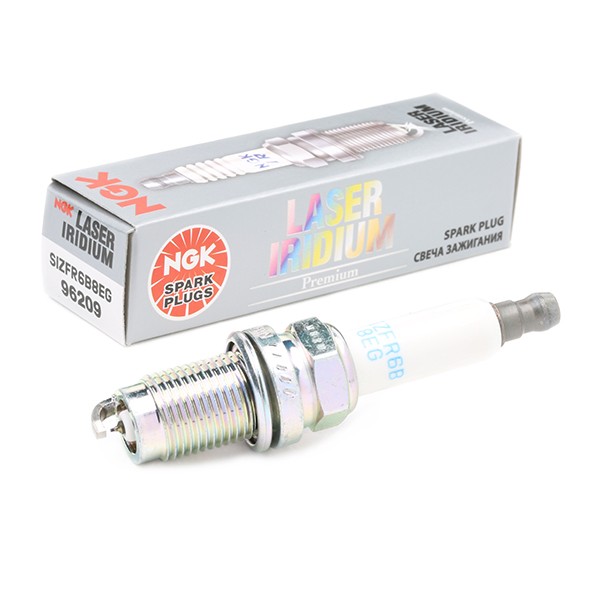
NGK 96209 car Spark plug cost
Reviews - 77
Parts Details
  • Spark Plug: Iridium Middle Electrode, 1 - Earthed Electrode, Interference Suppression 1 kOhm, with gasket seat, Fixed SAE connector
  • Spanner Size: 16 mm
  • Thread Length [mm]: 19,0
  • Spark Position [mm]: 5,0
  • Thread Size: M14 x 1,25
  • NGK: Spark plug
  • Item number: 96209
  • Condition: New
Details
NGK SIZFR6B8EG Spark plug M14 x 1,25, Spanner Size: 16 mm
Article number: 96209
compared to RRP 27,25 €

15, 99
Price per item
63,96 € / Price per 4 items
price incl. 19% VAT, excl. delivery costs

Replacement of Spark plug: Video repair guide

How to change spark plug on BMW X5 E53 TUTORIAL | AUTODOC

How to change spark plug on BMW X5 E53 TUTORIAL | AUTODOC Top brands that produce Spark Plug: BOSCH, STARK, SACHS, SKF, VAN WEZEL, VALEO, LuK, MAPCO,...

Step by Step Video Tutorial for Do-it-yourself Auto Repair. Become an amateur mechanic with Autodoc.

Spark plug: AUTODOC has 7074 items available

Spark plug from 41 manufacturers at prices from 3,29 € to 45,99 €

The bestselling products:
0 241 309 501 Z20 RJ19LM/T10 0 242 235 666 4511 7811
For popular car brands:
VW MERCEDES-BENZ BMW AUDI OPEL FORD
Spark plug – technical details
Spark Plug Spark Position [mm] Thread Size
Unscrewable SAE connector Nickel Middle Electrode 3 3,5 M 14 x 1,25 M14 x 1,25
1 - Earthed Electrode no interference suppression 1,5 6 M14x1,25 M14x1.25
with gasket seat Copper Centre Electrode 5 5,2 M12x1.25 M18 x 1,5

What are spark plugs?

A spark plug is a component of the ignition system in a petrol engine, responsible for igniting the air–fuel mixture in the combustion chamber. The plug generates an electrical spark at a voltage of 20,000–40,000 volts, which ignites the mixture of petrol and air at a precisely defined moment in the engine's operating cycle. It is a consumable part, and its condition directly affects engine power, fuel consumption, and ease of starting. Important: Diesel engines do not use spark plugs — they use glow plugs instead.

Spark plug construction

The main components of a spark plug:

  • Centre electrode. A conductor made from a nickel alloy, platinum, or iridium, through which the high-voltage current is supplied. Diameter: 0.4–2.5 mm, depending on the type of plug.
  • Side electrode (earth electrode). A bent metal element welded to the shell. The spark jumps between the centre electrode and the side electrode.
  • Ceramic insulator. A high-strength insulator made from aluminium oxide (Al₂O₃), capable of withstanding temperatures of up to 1,000 °C. It prevents current leakage and ensures heat dissipation.
  • Metal shell. A threaded steel casing (M10, M12, M14, or M18) for screwing into the cylinder head. It provides earthing and a gas-tight seal.
  • Sealing washer. A metal crush washer (typically folded steel) that seals the connection between the plug and the cylinder head.
  • Contact terminal. The upper part of the plug for connecting the high-tension lead or ignition coil.

The key parameter is the heat range: it determines the plug's ability to dissipate heat.

  • “Cold” plugs are suitable for high-performance turbocharged engines and motorway driving.
  • “Hot” plugs are ideal for small-displacement engines and urban driving. Always use the heat range specified by your vehicle's manufacturer.

How it works

The process of igniting the air–fuel mixture takes place in fractions of a second:

  1. The engine control unit (ECU) determines the ignition timing based on sensor data.
  2. The ignition coil converts the vehicle's supply voltage (12 V) into a high-voltage pulse (20,000–40,000 V).
  3. The pulse is delivered to the centre electrode of the plug.
  4. A spark jumps between the centre and side electrodes across the spark gap (0.7–1.1 mm).
  5. The spark ignites the air–fuel mixture in the combustion chamber.
  6. Controlled combustion occurs, creating pressure on the piston.

At 3,000 rpm each plug produces 25 sparks per second, and over 100,000 km — more than 100 million sparks. These demands explain why the electrodes gradually wear out and why plugs require replacement.

Types of spark plugs

While specialised materials like silver or ruthenium exist for specific applications, the vast majority of modern passenger cars use one of three main types. These most common spark plugs differ primarily in their electrode material, service life, and price. The choice of type depends on the engine's requirements, driving style, and budget.

Nickel (standard) spark plugs

The classic and most affordable type, with a nickel centre electrode of 2.0–2.5 mm diameter.

Specifications:

  • Electrode material: nickel alloy (Ni-Cr)
  • Centre electrode diameter: 2.0–2.5 mm
  • Service life: 20,000–30,000 km
  • Price: 3–8 EUR per plug

Advantages:

  • Low cost
  • Broad compatibility with many older or standard naturally aspirated petrol engines
  • Suitable for older vehicles without complex ignition systems

Disadvantages:

  • Rapid electrode wear — frequent replacement required
  • Less stable spark under high load
  • Higher fuel consumption compared with iridium and platinum plugs

Recommended for: Older vehicles, low-mileage engines, cost-conscious use.

Platinum spark plugs

Standard platinum plugs feature a fine platinum tip (0.6–1.1 mm diameter) on the centre electrode only. Double platinum plugs, however, feature this same platinum tip on the centre electrode, alongside an additional platinum pad welded to the side electrode.

Specifications:

  • Electrode material: platinum tip on a nickel base
  • Centre electrode diameter: 0.6–1.1 mm
  • Service life: 60,000–80,000 km
  • Price: 8–18 EUR per plug

Advantages:

  • Last 2–3 times longer than nickel plugs
  • Stable spark throughout the service life
  • Resistance to erosion and carbon fouling
  • Double platinum is recommended for engines with a waste spark distributorless ignition system (DIS)

Disadvantages:

  • 2–3 times more expensive than nickel plugs
  • Inferior to iridium plugs in terms of service life and spark stability

Recommended for: Modern petrol engines, mid-range vehicles, LPG installations.

Iridium spark plugs

The most modern type of spark plug, featuring an ultra-fine iridium electrode. Iridium is one of the hardest and most heat-resistant metals, providing maximum service life and spark quality.

Specifications:

  • Electrode material: iridium alloy
  • Centre electrode diameter: 0.4–0.7 mm (the finest of all types)
  • Service life: 80,000–120,000 km
  • Price: 12–30 EUR per plug

Advantages:

  • Maximum service life — up to 120,000 km
  • The finest electrode produces the most concentrated spark
  • Improved ignition of lean mixtures
  • Reduction in fuel consumption of 1–3%
  • Stable operation at high temperatures (up to 2,450 °C — the melting point of iridium)
  • Reduction in CO₂ emissions

Disadvantages:

  • High cost — 3–5 times more expensive than nickel plugs
  • Fragile if fitted incorrectly (the gap must not be adjusted manually)
  • Minimal benefit for older engines

Recommended for: Modern turbocharged engines (TSI, TFSI, EcoBoost), direct injection vehicles, performance driving.

Comparison table of spark plug types

The table below compares the main types of spark plug by key specification.

Specification Nickel Platinum Iridium
Electrode material Nickel alloy Platinum Iridium
Electrode diameter 2.0–2.5 mm 0.6–1.1 mm 0.4–0.7 mm
Service life 20,000–30,000 km 60,000–80,000 km 80,000–120,000 km
Price per plug (EUR) 3–8 8–18 12–30
Spark quality Standard Good Excellent
Fuel saving Baseline +1% +1–3%
Application Older engines Modern naturally aspirated Turbo, TSI, GDI

Spark gap and tightening torque

Two parameters that are critically important when fitting spark plugs are the spark gap and the tightening torque. Incorrect values lead to unstable engine operation or damage to the cylinder head.

Spark gap

The distance between the centre and side electrodes across which the spark jumps. The standard gap for most vehicles is 0.7–1.1 mm. The exact value is specified in the vehicle owner's manual.

  • A gap that is too small produces a weak spark, incomplete combustion, and power loss.
  • A gap that is too large causes misfires, difficult starting, and excessive load on the ignition coil.

Important: Iridium and platinum plugs are supplied with the gap set at the factory — do not adjust the gap manually, as this will damage the fine electrode tip.

Tightening torque

The correct tightening torque is an essential requirement during fitting. Under-tightening leads to a loss of seal and overheating; over-tightening damages the thread in the cylinder head (repair cost: 200–800 EUR).

Thread diameter Seal type Cylinder Head Tightening torque (Nm)
M10 With sealing washer Aluminum/Cast Iron 8–12 Nm
M12 With sealing washer Aluminum/Cast Iron 15–20 Nm
M14 With sealing washer Aluminum 20–25 Nm
M14 With sealing washer Cast Iron 25–35 Nm
M14 Conical (without washer) Aluminum/Cast Iron 10–20 Nm
M18 With sealing washer Cast Iron 30–45 Nm

Spark plug socket size: For M14 plugs, use a 16 mm or 21 mm socket depending on the model. For compact plugs with a slim body (modern turbocharged engines) — a 14 mm socket. Always check the manufacturer's specification.

It is recommended to use a torque wrench for accurate tightening. If one is not available, check the packaging of your specific spark plug brand for the tightening angle. For a new M14 plug with a washer, Bosch typically recommends a 90° turn, while NGK and Denso recommend a 180°–240° turn after the plug is finger-tight.

These values are reference ranges for common sizes. Actual torque may vary by design; always prioritise the exact specifications provided by the vehicle or spark plug manufacturer.

Important Note on Reinstallation: For a previously used gasket-seat spark plug, do not assume the same angle-tightening rule as for a new plug. Many manufacturers recommend replacing the plug, or at minimum replacing the gasket where applicable because a crushed sealing washer may no longer seal correctly. Always follow the vehicle or spark plug manufacturer’s torque specification.

Service life and replacement intervals

The replacement interval for spark plugs depends on the type of plug, the engine, and operating conditions. Vehicle manufacturers specify the replacement interval in the service book; however, the actual service life may differ.

Replacement intervals by plug type

The table below shows average spark plug service life figures depending on type and operating conditions.

Plug type Standard life (km) Urban driving (km) Motorway (km)
Nickel 20,000–30,000 15,000–25,000 25,000–35,000
Platinum 60,000–80,000 50,000–70,000 70,000–90,000
Double platinum 80,000–100,000 60,000–80,000 80,000–100,000
Iridium 80,000–120,000 60,000–100,000 100,000–120,000

Note on Double Platinum: Even with optimal motorway driving, do not exceed 100,000 km. Beyond this point, the metal threads risk seizing in the cylinder head, and the ceramic insulator may become brittle. For safe service life beyond 100,000 km, iridium plugs are required due to their specialized anti-corrosive plating.

Factors affecting service life

The actual service life of spark plugs depends on many variables:

  • Driving style. Aggressive driving at high engine speeds reduces service life by 20–30%.
  • Urban driving. Frequent starts and short journeys accelerate carbon fouling.
  • Engine condition. Excessive oil consumption contaminates the plugs, shortening their service life.
  • Fuel quality. Poor-quality petrol increases carbon build-up.
  • LPG/CNG installations. Higher combustion temperatures reduce service life by 30–50%. Specialist plugs are recommended for gas installations (NGK LPG LaserLine, Denso Iridium Tough).
  • Engine type. Turbocharged engines (TSI, TFSI) impose greater demands on spark plugs.

Signs of spark plug failure

Worn or defective spark plugs produce characteristic symptoms that a driver may notice during everyday use. Identifying the problem at an early stage means avoiding costly repairs to ignition coils and the catalytic converter.

Symptoms of defective plugs when driving

  • Difficult starting. The engine cranks for a long time, particularly in cold weather. In severe cases, the vehicle will not start.
  • Rough idle. The engine misfires — running unevenly and with vibration.
  • Hesitation on acceleration. The vehicle judders when the accelerator is pressed, particularly during acceleration at low engine speeds.
  • Loss of power. The engine feels noticeably sluggish and acceleration is reduced.
  • Increased fuel consumption. Incomplete combustion increases petrol consumption by 10–20%.
  • Check Engine warning light. Misfires may trigger fault codes such as P0300 or cylinder-specific codes such as P0301–P0304.
  • Popping from the exhaust. Unburnt fuel ignites in the exhaust manifold.

Diagnosis by visual inspection of the plug

The appearance of a removed spark plug is a valuable diagnostic tool. The colour and condition of the electrodes indicate the engine's operating mode.

Plug appearance Diagnosis Cause
Light brown/sandy deposit Normal Optimum engine operating conditions
Black, dry soot Rich mixture/carbon fouling Faulty injector, dirty air filter, frequent short journeys
Black, oily deposit Oil contamination Worn oil control rings or valve stem seals, excessive oil consumption
White/dry grey deposit Lean mixture/overheating Air leak, incorrect heat range, faulty lambda sensor
Reddish-brown deposit Fuel additives Ferrocene-based petrol additives, metal-containing additives
Melted electrodes Critical overheating Pre-ignition, incorrect plug type, detonation (knock)
Mechanical damage Contact with piston Incorrect plug reach, foreign object in combustion chamber

Replacing spark plugs

While replacing spark plugs is a manageable DIY task for most inline engines, vehicles with restricted access (such as V6, V8, or horizontally opposed/boxer engines) may require professional workshop assistance.

To perform the replacement, you will need a spark plug socket (14, 16, or 21 mm) with an extension bar and ratchet, a torque wrench for precise tightening, compressed air, and dielectric grease.

Spark plug replacement procedure

Preparation:

  1. Switch off the ignition and allow the engine to cool completely. Plugs must be changed on a cold engine to prevent stripping the threads in the aluminium cylinder head.
  2. On vehicles with sensitive electronics, disconnect the negative battery terminal.

Removal:

  1. Disconnect the ignition coil connector (or high-tension lead). Always pull by the connector/boot, never by the wire.
  2. Remove the ignition coil from the plug well.
  3. Blow out the open plug well with compressed air.
  4. Fit the spark plug socket onto the plug and unscrew it anti-clockwise.
  5. Remove the plug and inspect the electrodes and insulator to assess engine condition.

Installation:

  1. Verify the new plug — the type, heat range, and gap must match the vehicle's specification.
  2. Thread the new plug in by hand until it seats against the cylinder head — this prevents cross-threading.
  3. Tighten the plug to the specified torque with a torque wrench.
  4. Apply a small amount of dielectric grease to the inside of the rubber ignition coil boot (not the metal terminal) to prevent moisture and sticking.
  5. Refit the ignition coil and reconnect the connector.
  6. Repeat for all cylinders.

After replacement: Start the engine and check for a stable idle and the absence of any Check Engine fault codes. For the first 50–100 km, avoid maximum loads.

Important: If a spark plug is difficult to remove, do not use excessive force, as this may damage the threads. Follow the repair procedure for seized plugs specified by the vehicle manufacturer. Before installing the new spark plug, ensure that the threads and the threaded hole are clean and free of oil or lubricant, as lubricated threads can lead to incorrect torque and overtightening.

Spark plug prices in Germany

Spark plug prices vary according to type, brand, and vehicle model. On the German market, the cost of a set of plugs and the labour for replacement depend on several factors.

Prices by plug type

Current spark plug prices on the German market in 2026. Prices shown are per plug.

Plug type Price per plug (EUR) Set of 4 (EUR) Service life (km)
Nickel (standard) 3–8 12–32 20,000–30,000
Platinum 8–18 32–72 60,000–80,000
Double platinum 12–22 48–88 80,000–100,000
Iridium 12–30 48–120 80,000–120,000
Iridium Racing / Performance 20–40 80–160 40,000–60,000

Workshop replacement costs

The total replacement cost consists of the price of the plugs plus labour. Labour time: 20–45 minutes for inline four-cylinder engines; 1–2 hours for V6/V8 or engines with restricted access.

Workshop type Labour (4 plugs), EUR Labour (6 plugs), EUR Notes
Independent workshop 40–80 60–120 Best value for money
Workshop chains (e.g., ATU) 50–100 80–150 Convenience, parts availability
Authorised dealer 80–180 120–280 Warranty servicing

Factors affecting cost: number of cylinders, plug type (nickel vs. iridium), access to plug wells, whether the inlet manifold or other components need to be removed, region of Germany.

Leading spark plug manufacturers

Brand Country Price (EUR/plug) Notable features
NGK Japan 5–30 Very broad range; strong OE and aftermarket presence; Laser Iridium line
Bosch Germany 4–25 Broad European coverage; Super 4 and iridium lines
Denso Japan 6–28 Iridium TT Twin-Tip technology; strong OE background
Champion USA 4–18 Established aftermarket brand; broad coverage
BERU (BorgWarner) Germany 4–20 OE-quality positioning; strong European presence
Brisk Czech Republic 4–15 Known for LPG/CNG and special-application plugs
Motorcraft USA 5–20 Ford OE brand
  • For a budget-friendly and reliable option: Bosch, Champion, BERU — affordable price, proven quality for most engines.
  • For maximum service life: NGK Laser Iridium, Denso Iridium TT — up to 120,000 km; optimal for modern turbocharged engines.
  • For LPG/CNG vehicles: NGK LPG LaserLine, Brisk LPG, Denso Iridium Tough — resistant to elevated combustion temperatures.
  • For performance driving: NGK Racing, Denso Iridium Racing — maximum performance, but shorter service life.

OEM vs. Original for spark plugs

Type Advantages Disadvantages Price per set of 4
Original (from vehicle manufacturer) 100% compatibility; manufacturer's warranty; exact match to specification 30–50% more expensive; available only from dealerships 40–200 EUR
OEM (from plug manufacturer) Identical quality; much cheaper; widely available; complies with manufacturer warranty requirements No vehicle brand logo; requires verifying the correct part number 20–120 EUR

Tip: Most “original” spark plugs from VW, BMW, and Mercedes are manufactured in NGK, Bosch, or BERU factories. Purchasing OEM plugs from the same brands means identical quality at a lower price.

Can spark plugs be cleaned?

Cleaning spark plugs is a debated topic. While it can temporarily restore performance, it is never a substitute for replacement, especially in modern high-compression engines.

When cleaning is acceptable:

  • The electrodes show no physical wear, but are covered in dry carbon (soot).
  • The vehicle has been sitting for a long time and the plugs have “wet-fouled” from failed start attempts.
  • As a temporary measure until new plugs can be purchased.

Cleaning methods:

  • Brass wire brush. Suitable for standard nickel plugs only. Gently remove soot without applying heavy pressure to the centre electrode.
  • Ultrasonic bath. The most effective professional method; it removes deposits from the deep gaps without mechanical damage.
  • Propane torch. Briefly heating the tip can burn off “wet” fuel fouling. (Note: Avoid overheating the ceramic insulator to prevent cracking).

Important limitations:

  • Do not treat cleaning as a substitute for replacing a worn spark plug.
  • Do not use abrasive methods on iridium or platinum plugs because their fine electrodes can be damaged easily.
  • If the plug shows electrode wear, cracking, melting, or heavy deposits, replace it.

Recommendation: If a spark plug is worn or near the end of its service life, replacement is usually the better choice. For example, DENSO recommends replacement of standard nickel spark plugs in passenger cars at around 15,000–20,000 km, and NGK notes that cleaned plugs will not perform like new ones.

How to choose the right spark plugs

Selecting the correct plugs is the key to stable engine operation and a long service life. Choosing incorrectly leads to misfires, power loss, and even damage to the catalytic converter.

Step 1: Determine the base specification

The most reliable method is to use the vehicle manufacturer’s specification. The correct spark plugs can then be identified by vehicle application, OE part number, or VIN / Frame No. where supported in manufacturer or retailer catalogues.

  • Thread diameter: for example M10, M12, M14, or other sizes
  • Thread reach: 19 mm, 26.5 mm, or other values
  • Heat range: stated in the service book
  • Spark gap: must match the specific engine specification
  • Socket size: common sizes are 14, 16, and 21 mm

Plugs can be selected by vehicle application or OE part number, and by VIN/Frame No. where supported. Selection by vehicle key number (Schlüsselnummer) through retailer catalogues is also possible.

Step 2: Choose by operating conditions

Once the correct physical fitment is established, you can choose the electrode material based on your driving habits to optimize performance and service life.

Conditions Recommended type Brands Budget (4 plugs, EUR)
Urban driving, short journeys Iridium or platinum NGK Laser Iridium, Bosch Iridium 32–120
Motorway, relaxed driving Platinum or nickel Bosch Platinum, Champion 12–72
LPG/CNG installation Specialist LPG plugs NGK LPG LaserLine, Brisk LPG 40–100
Performance driving Iridium Racing NGK Racing, Denso Iridium Racing 80–160
Turbocharged engines (TSI, TFSI, EcoBoost) Iridium NGK Laser Iridium, Denso Iridium TT 48–120

The golden rule: Always replace all spark plugs at the same time — fitting plugs with differing degrees of wear leads to uneven cylinder operation, vibration, and misfires.

Legislation and vehicle inspection in Germany

Spark plugs are not a specific inspection item at the TÜV; however, their condition directly affects parameters that are checked during the roadworthiness inspection.

Requirements for the vehicle inspection (HU/TÜV)

During the Hauptuntersuchung, carried out every 2 years, the following parameters related to the ignition system are checked:

  • Emissions (Abgasuntersuchung, AU). Worn spark plugs can lead to incomplete combustion, which may increase CO (carbon monoxide) and HC (hydrocarbon) emissions and may cause the vehicle to fail the AU if the measured values exceed the permitted limits.
  • Idle stability. Rough running or unstable idling can indicate misfires or combustion faults and may negatively affect the inspection result if they are linked to emissions-related defects.
  • Check Engine Light (OBD). An active Check Engine Light or relevant OBD fault in the engine-management system can prevent the vehicle from passing the inspection. Misfire-related faults such as P0300–P0304 may be relevant where they affect the emissions system or engine management.

Environmental standards

Under German road-traffic regulations and current emissions standards, the vehicle’s emissions-control system must function correctly. Ignoring a faulty spark plug is therefore not only a performance issue, but may also lead to increased emissions and damage to exhaust-system components over time.

  • HU/AU failure: Excessively high CO (carbon monoxide) and HC (hydrocarbon) levels can cause the vehicle to fail the emissions test.
  • Catalytic converter damage: Persistent misfires can allow unburnt fuel to enter the exhaust system, which may overheat and damage the catalytic converter.
  • Lambda sensor contamination: Long-term rich running or incomplete combustion can contaminate the oxygen sensor and impair mixture control.

Consequences and liability

Offence Consequences
Exceeding emissions limits (AU) HU/AU failed; re-test usually required within 1 month if recorded as a major defect (“Erheblicher Mangel”).
Check Engine warning light (misfires) Can lead to inspection failure.
Operating a vehicle without a valid TÜV
  • > 2 months: 15 EUR fine + an “Extended Inspection” (costs 20% extra).
  • 4–8 months: 25 EUR fine.
  • > 8 months: 60 EUR fine + 1 point in Flensburg.
Accident involving a defective ignition system Kasko payout may be reduced or refused in cases of gross negligence (“grobe Fahrlässigkeit”).

Recommendation: Replace spark plugs in good time before the TÜV inspection. This prevents problems with emissions and ensures stable engine operation during the test.

Frequently asked questions (FAQ)

Do diesel engines have spark plugs?

No. Diesel engines use glow plugs, not spark plugs. In a diesel engine, fuel ignites due to the high compression pressure, and glow plugs merely warm the combustion chamber during a cold start. They are fundamentally different components in terms of design, function, and cost.

How often should spark plugs be replaced?

It depends on the type of plug. Nickel plugs — every 20,000–30,000 km; platinum plugs — every 60,000–80,000 km; iridium plugs — every 80,000–120,000 km. The precise interval is stated in the vehicle's service book. In urban driving with frequent short journeys, the interval is reduced by 20–30%.

Can spark plugs be replaced at home?

Yes — on most inline four-cylinder engines, replacement is straightforward and takes 20–40 minutes. You will need a spark plug socket and a torque wrench. However, on V-configuration engines (V6/V8) and Boxer engines, access to the spark plugs is often severely restricted. In many cases, you must remove the entire upper intake manifold just to reach them. For these complex layouts, it is usually safer and more efficient to use a professional workshop.

Which are better — iridium or platinum plugs?

Iridium plugs outperform platinum plugs in terms of service life (80,000–120,000 km vs. 60,000–80,000 km), spark quality, and erosion resistance. The ultra-fine electrode (0.4–0.7 mm) produces a more concentrated spark. However, for older naturally aspirated engines the difference is minimal, and platinum plugs are sufficient.

Should spark plugs be replaced at the same time as the ignition coils?

Not strictly necessary, but highly advisable as a preventative measure. If the spark plugs are already close to their replacement interval, changing them at the same time as the ignition coil can save labour time and help avoid a second workshop visit. The total cost depends heavily on the vehicle, the number of cylinders, and how easy the components are to access.

Should plugs be replaced on a warm or cold engine?

Spark plugs should be replaced on a completely cold engine. Removing or installing them on a hot engine increases the risk of damaging the spark-plug threads, especially in aluminium cylinder heads.

What happens if spark plugs are not replaced on time?

Worn spark plugs can cause misfires, reduced engine performance, higher fuel consumption, and increased harmful emissions. In severe cases, persistent misfires can allow unburnt fuel to enter the exhaust system and damage the catalytic converter through overheating.

Can spark plugs cause starting problems?

Yes — faulty, fouled, or fuel-flooded spark plugs can cause hard starting or a crank-but-no-start condition. Typical signs include the engine cranking without firing, rough running before failure, and sometimes a fuel smell if the plugs are wet-fouled. If the spark plugs are worn or flooded, replacement is usually the best solution. The ignition coils and battery should also be checked, as they can cause similar symptoms.

Can iridium plugs be fitted instead of nickel plugs?

Yes, provided the correct equivalent is specified for the engine. The replacement plug must match the required thread diameter, thread reach, seat type, heat range, and application. Iridium plugs can often be used as an upgrade from standard nickel plugs where the manufacturer or catalogue lists them as a compatible replacement. Use official cross-reference or part-finder tools to select the correct equivalent.

200-day Safe Order service for car iridium and platinum Spark plug
Safe Order 200 days
Safe Order 200 days

Confidence in online shopping! You can return spark plug without explanation within 200 days after purchase and get your money back. How? Just use the Safe Order service on the checkout page. The service cost is only 2,99 €.

Free Shipping
Free Shipping
Free Shipping

Each order from 120,00 € value of goods, include free shipping within Germany.
*Does not apply to large-size auto parts.