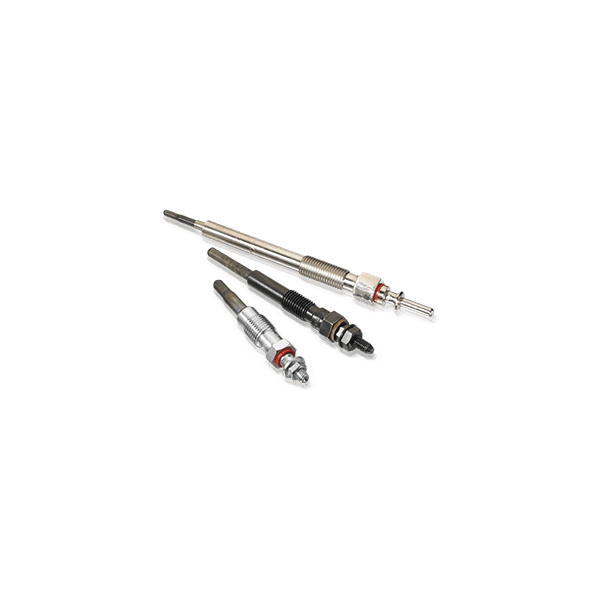
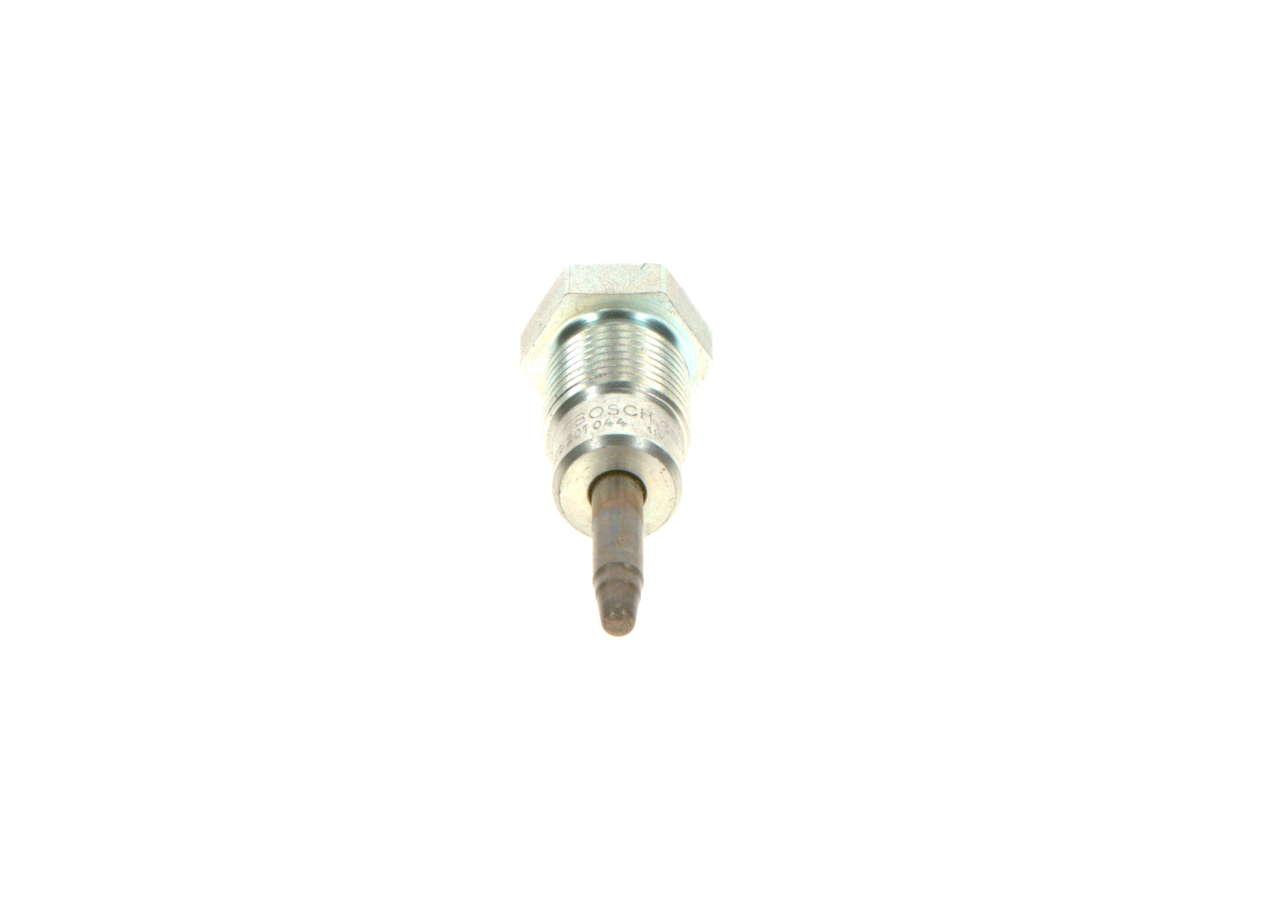
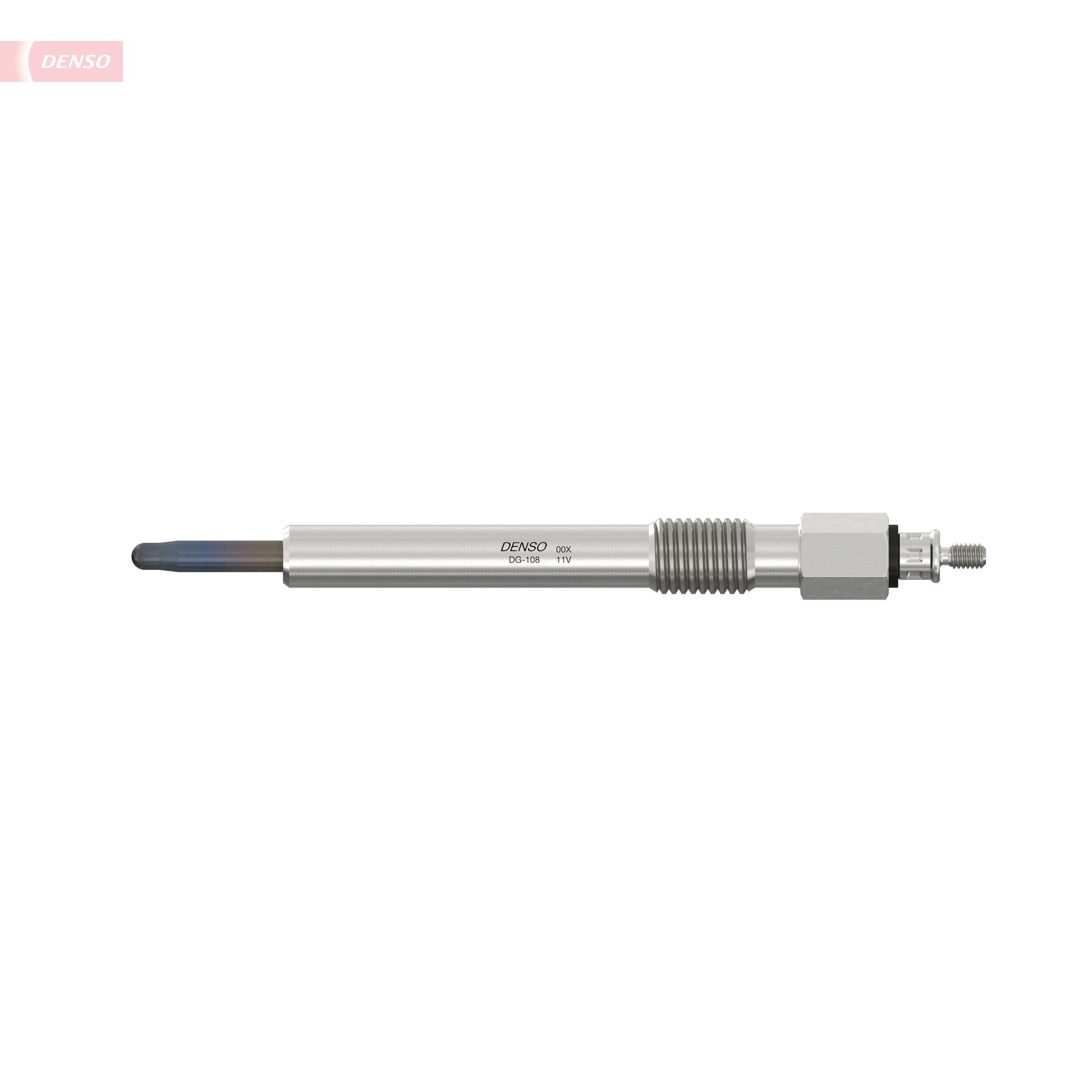
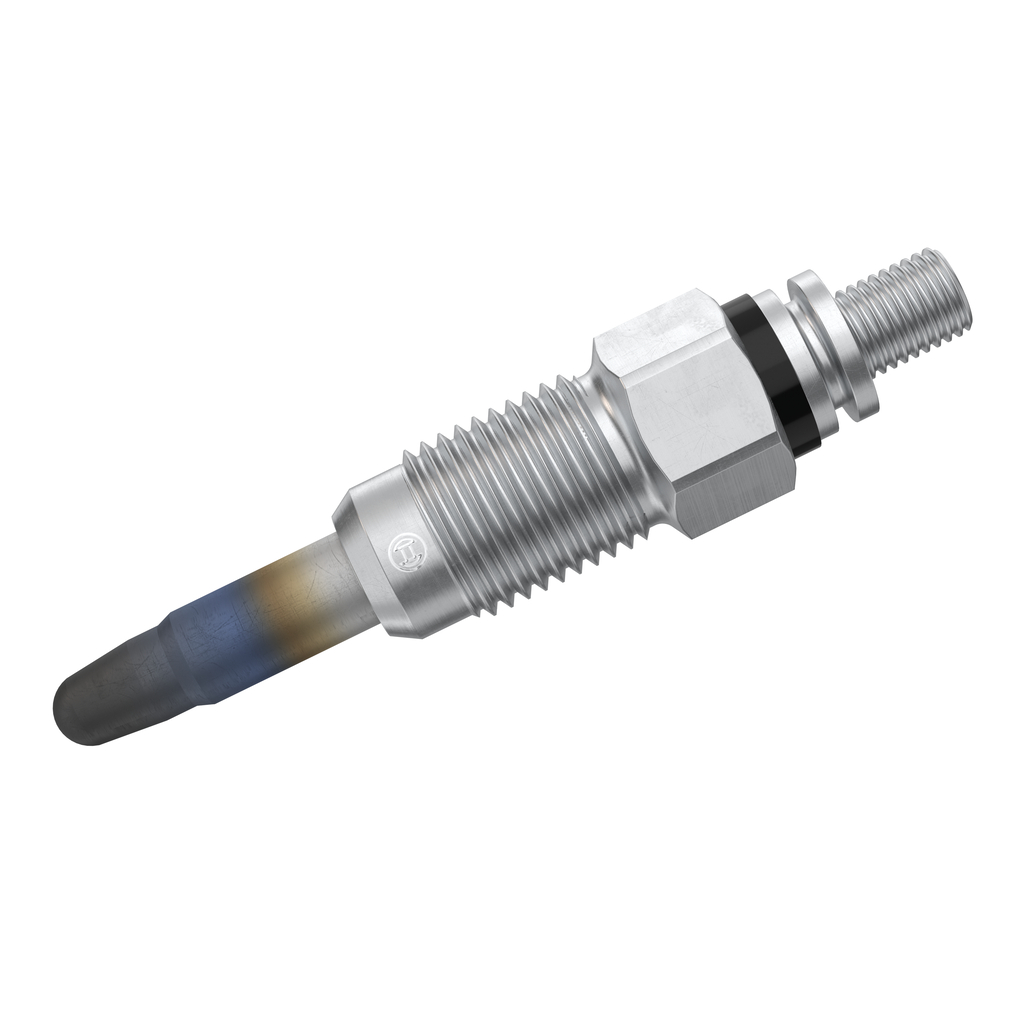
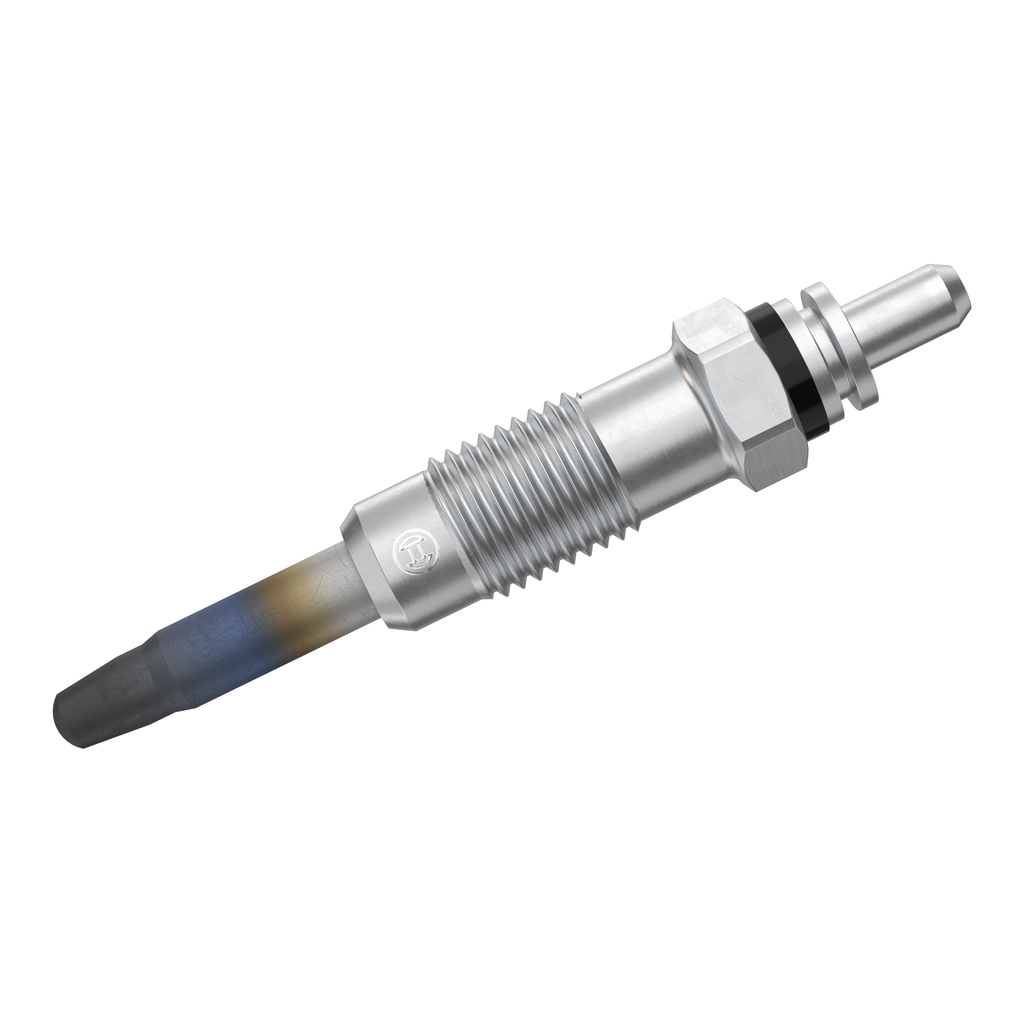
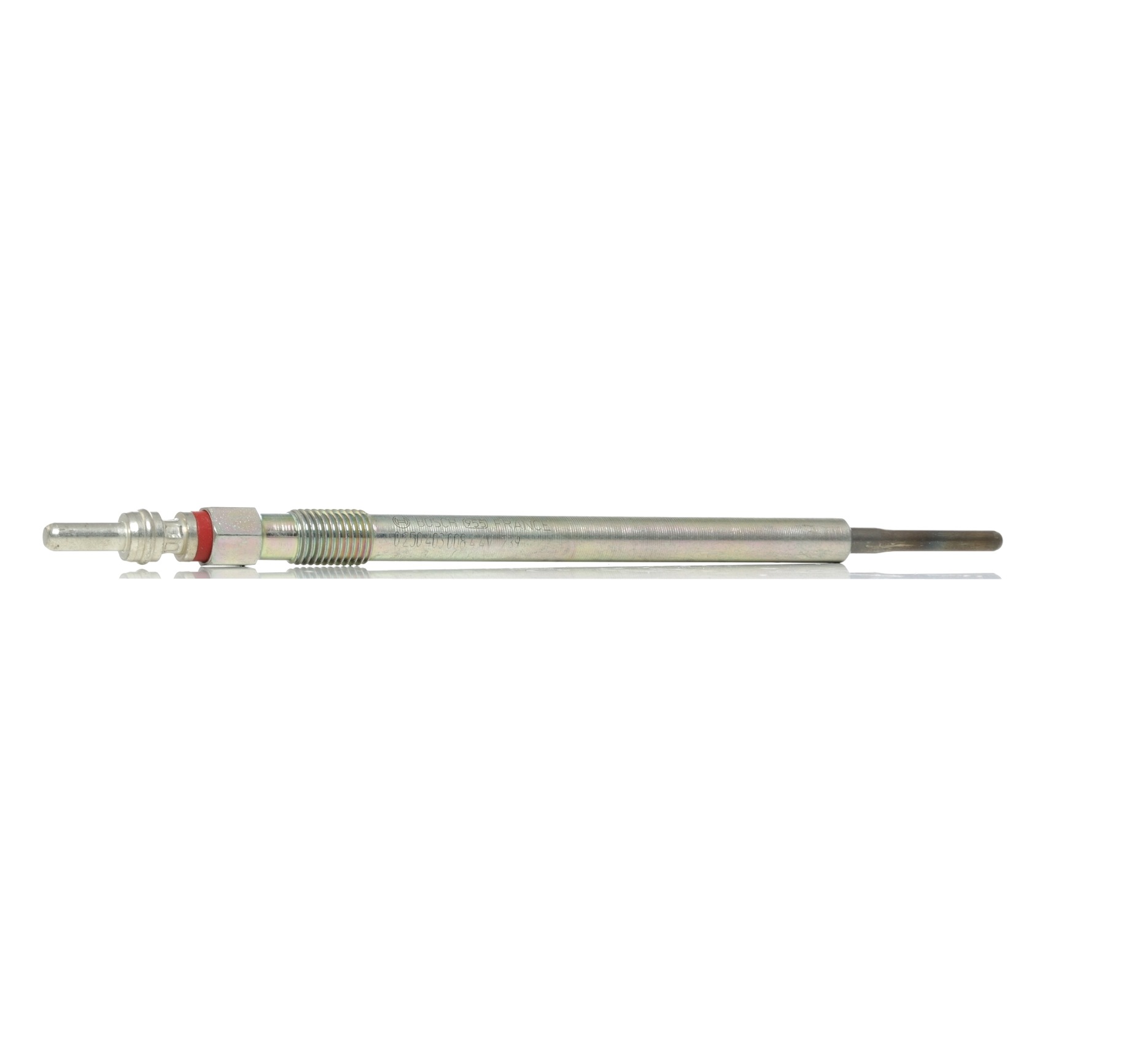
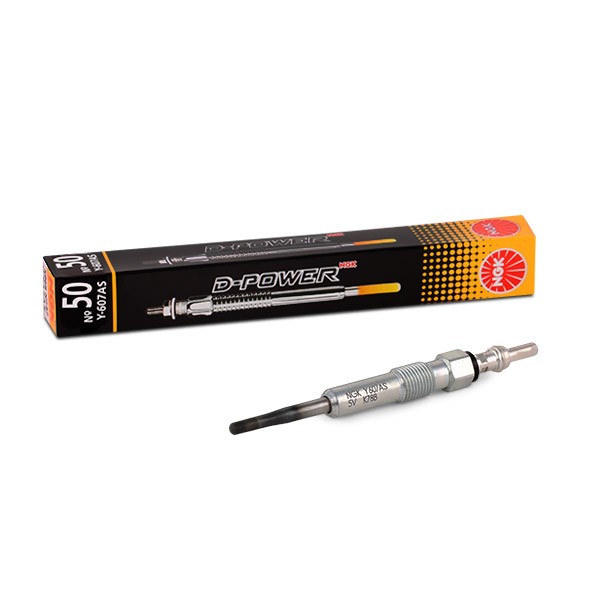
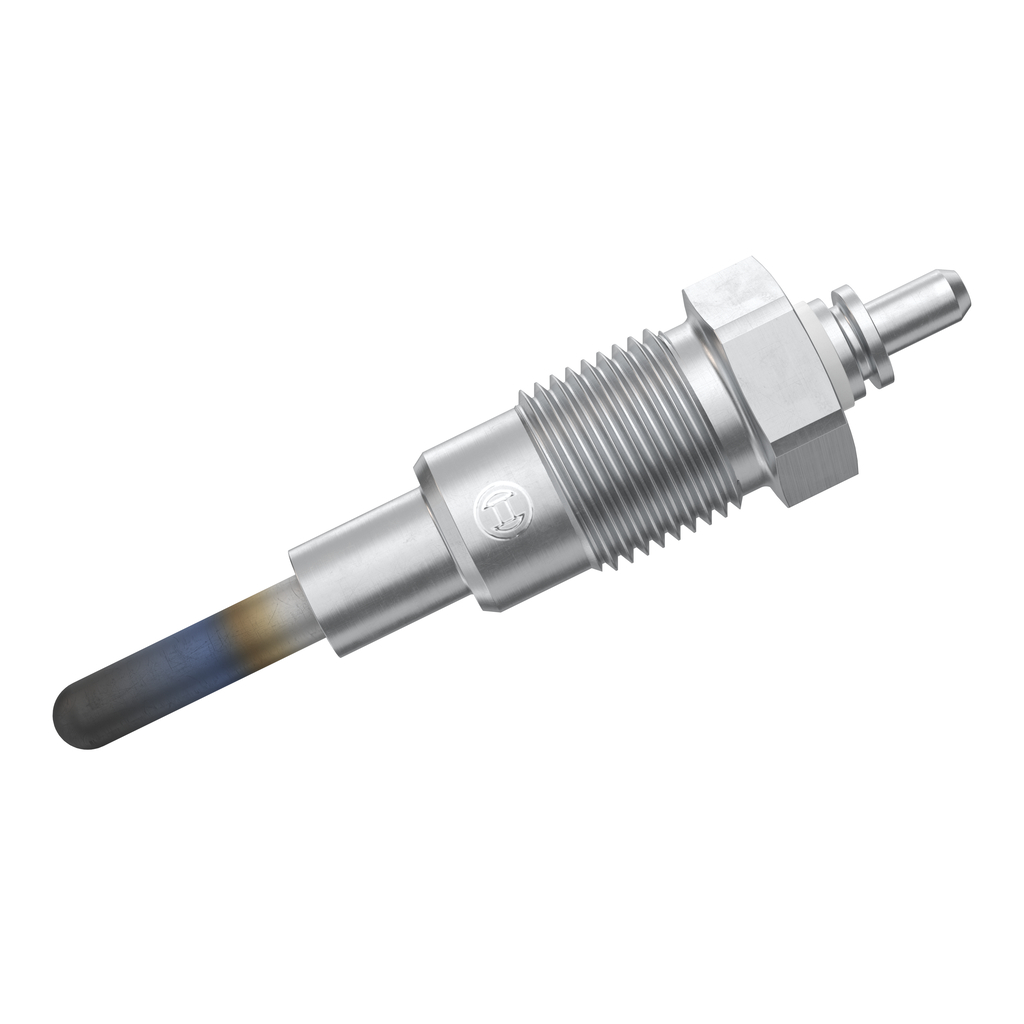
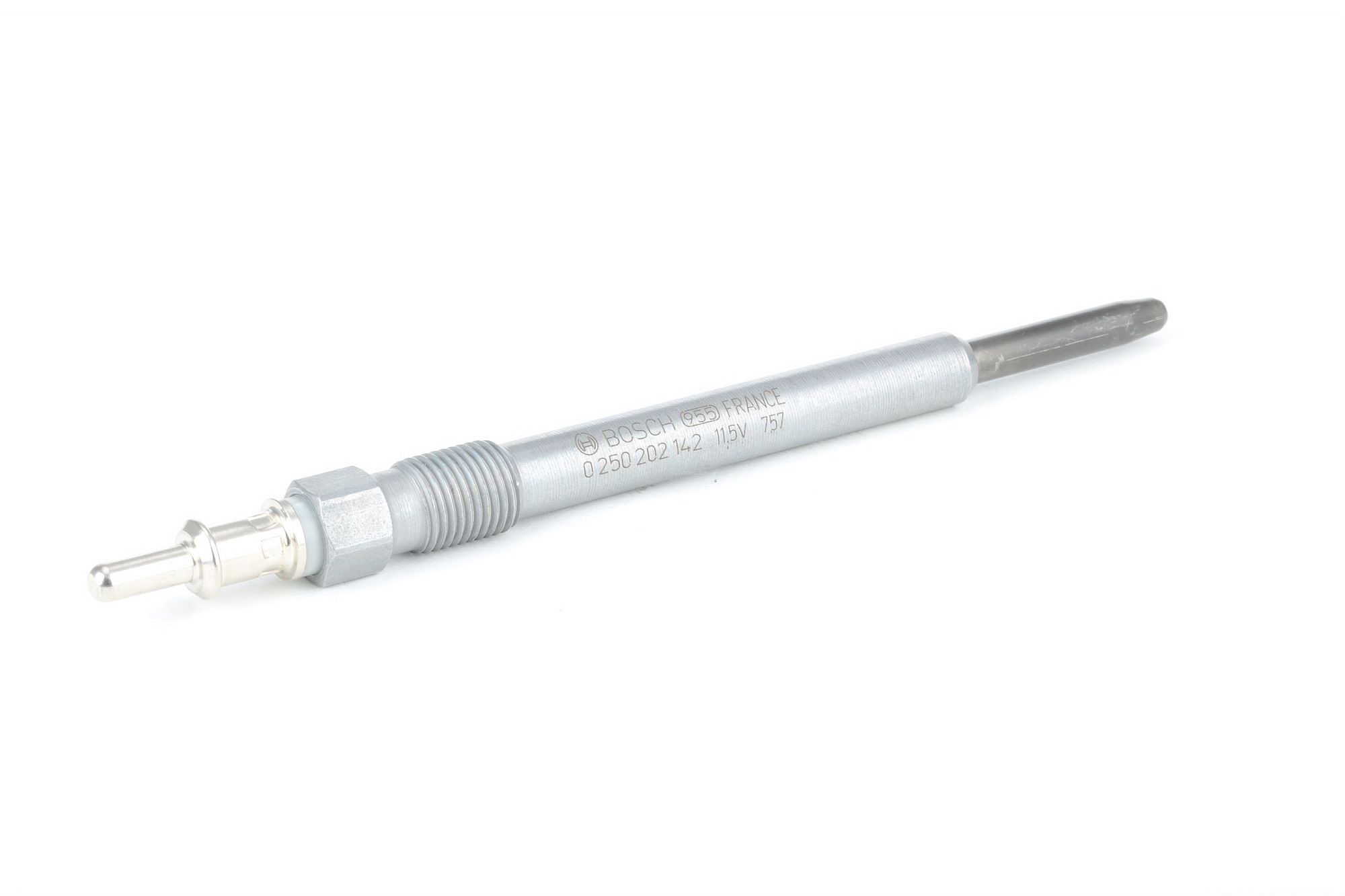
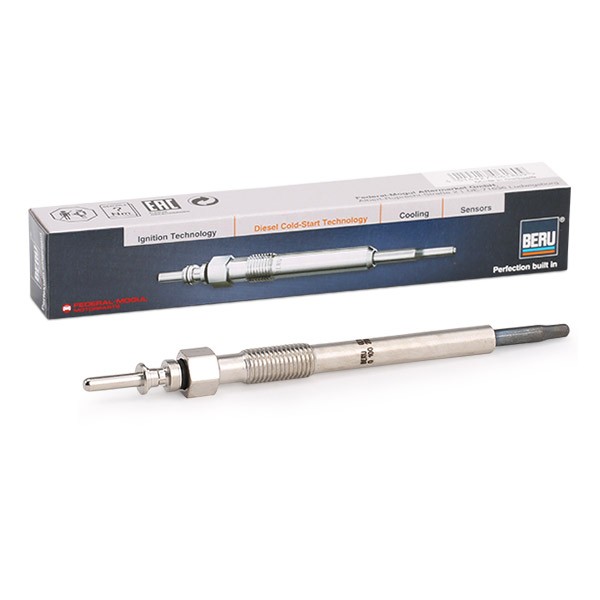
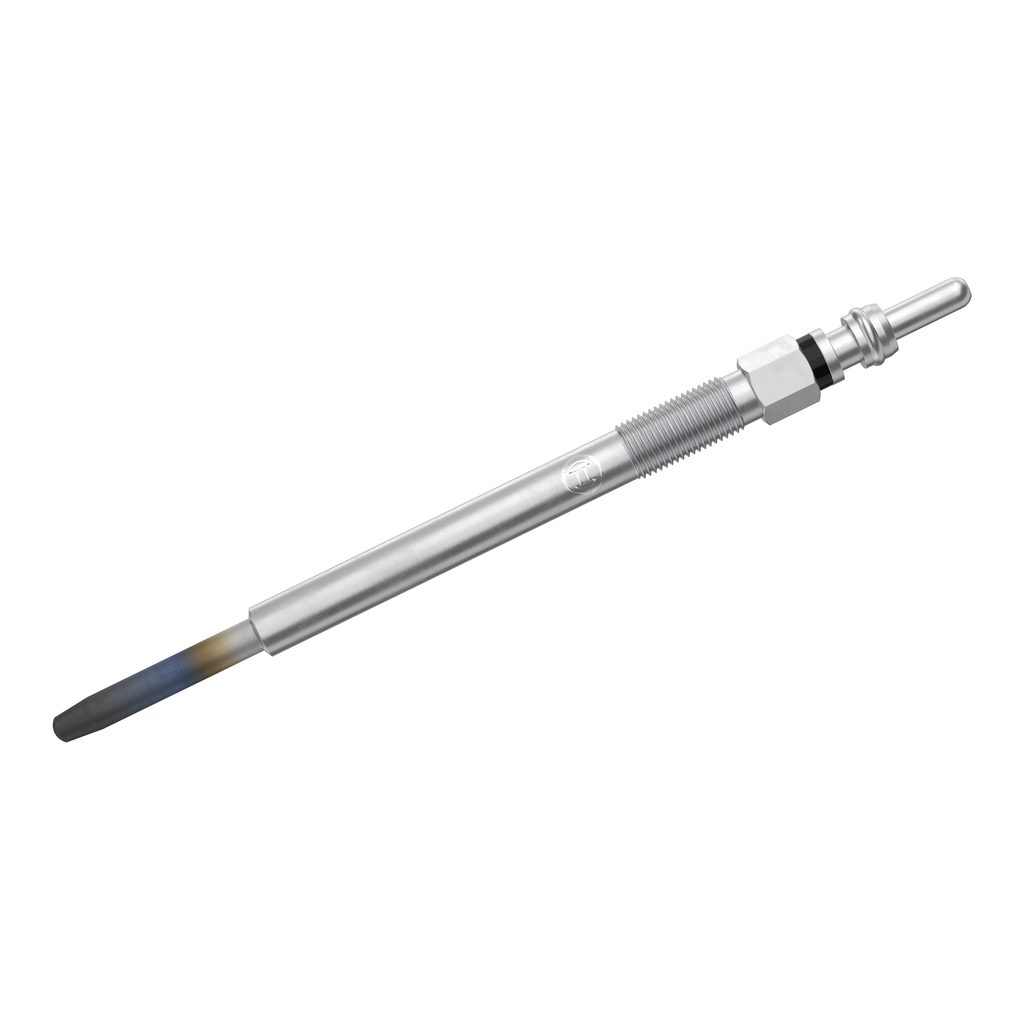
Glow plugs for car
Order Glow plug at a fair price
Heater plugs: top brands
Glow plug for leading car makes
Glow plug for top car models
AUTODOC Bestsellers: Heater plugs at a good price
View bestsellersThe top-selling spare parts in the Glow plugs category. Browse our huge wide range of high-quality car parts from top brands in the category Glow plugs and others.
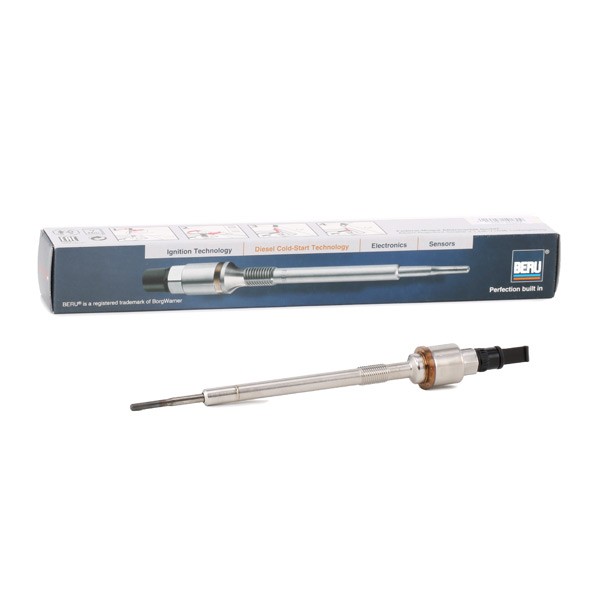
BOSCH GLP5 Glow plug
7V M 8 x 1,0, Pencil-type Glow Plug, after-glow capable, Length: 135 mm, 93, Duraspeed
BOSCH GLP063 Glow plug
11V M 18 x 1,5, Pencil-type Glow Plug, Length: 89 mm, 63
BOSCH GLP008 Glow plug
11,5V M 10 x 1, Pencil-type Glow Plug, after-glow capable, Length: 130 mm, 63, Duraterm
NGK YE01 Glow plug
11,0V 5,5A M8 x 1,0, Metal glow plug, 0,9 Ohm, 69,0 mm
BOSCH GLP6 7V Glow plug
7V M 10 x 1, Pencil-type Glow Plug, after-glow capable, Length: 131,7 mm, 10 Nm, 63
BERU 0 103 110 904 Glow plug
4,4V 9A M9x1,0, after-glow capable, Pencil-type Glow Plug, Length: 132 mm, 22 Nm, 8 Nm, 93
BOSCH 104 Glow plug
11V M 18 x 1,5, Pencil-type Glow Plug, after-glow capable, Length: 75 mm, 63, Duraterm
BOSCH 80010 Glow plug
11V M 12 x 1,25, Pencil-type Glow Plug, after-glow capable, Length: 59 mm, 15 Nm, 63
BOSCH GLP173 Glow plug
7V M 10 x 1, Pencil-type Glow Plug, after-glow capable, Length: 134 mm, 10 Nm, 63, Duraspeed
NGK Y1010AS Glow plug
4,4V M10 x 1,0, Metal glow plug, 0,5 Ohm, 163,2 mm
BOSCH 026 Glow plug
11V M 12 x 1,25, Pencil-type Glow Plug, after-glow capable, Length: 71 mm, 15 Nm, 63, Duraterm
BOSCH GLP070 Glow plug
5V M 10 x 1, Rod Glow Plug, Length: 106 mm, 63, Duraterm
| The bestselling products: | |||||
|---|---|---|---|---|---|
| KP002 | GE133 | 0 250 202 022 | 0 250 202 020 | 0 250 202 142 | GV895 |
| For popular car brands: | |||||
| VW | MERCEDES-BENZ | BMW | AUDI | OPEL | FORD |
| Glow plugs – technical details | |||||
| Length [mm] | Thread Size | Overall Length [mm] | |||
| 90,5 | 73 | M12x1,25 | M10 x 1 | 92 | 71,5 |
| 58 | 78,5 | M10x1 | M12 x 1,25 | 71 | 150 |
| 29 | 71 | M 10 x 1 | M10 x 1,25 | 152,7 | 126,3 |
What are glow plugs?
A glow plug is an electrical heating element that ensures a diesel engine starts reliably at low temperatures. Unlike in petrol engines, where the air-fuel mixture is ignited by a spark, combustion in a diesel engine is triggered by compression. The tip of the glow plug rapidly heats up to temperatures between 850 °C and 1350 °C, locally warming the compressed air in the combustion chamber to compensate for heat losses during a cold start. Glow plugs are wear parts and generally last between 80,000 and 150,000 km, depending on the technology used. However, short trips and frequent cold starts can shorten their service life.
Glow plug operating phases
Modern glow plugs can operate in several phases to support starting, stable combustion, and lower emissions.
- Pre-heating (pre-glow). When the ignition is turned on, the glow plug indicator (the coil symbol) illuminates on the dashboard. Depending on the type, the plugs heat up to between 850 °C and 1350 °C in 2 to 7 seconds. Modern ceramic plugs can reach their operating temperature in under 2 seconds.
- Heating during start-up. The plugs maintain their temperature while the starter motor cranks the engine and during the first few revolutions. This ensures the stable ignition of the diesel fuel.
- Post-heating (Post-glow). After the engine starts, the glow plugs may continue to operate for several minutes. This helps reduce exhaust smoke, stabilise idling, and reduce combustion noise during warm-up.
- Additional heating phases. In some modern diesel systems, the glow plugs may also be activated briefly whilst driving in cold conditions. Depending on the engine design and control strategy, this can help improve combustion stability, support emissions control, and aid diesel particulate filter regeneration.
Glow plug design
The design of a glow plug includes several key elements, each of which performs a specific function.
- Threaded housing. A steel body with a metric thread (usually M8, M10, or M12) used to securely screw the plug into the engine's cylinder head.
- Heating element. The working part of the plug, typically manufactured from a high-temperature metal alloy or specialised ceramic, designed to reach operating temperatures rapidly.
- Regulating coil. In self-regulating metal glow plugs, a built-in regulator coil increases resistance as the temperature rises, helping prevent overheating.
- Sealing seat. Unlike spark plugs, most diesel glow plugs do not use a separate sealing ring or crush washer. Instead, they feature a tapered, precision-machined conical seat just below the threads, which creates a gas-tight seal directly against the cylinder head.
- Electrical connector. The terminal pin or threaded stud at the top of the assembly, which serves as the contact point for the power supply from the glow plug control unit.
Types of glow plugs
The market features several glow plug types differing in heating element construction, heating speed, and application area. Choosing the correct type depends on the engine's specific requirements, the relevant environmental standards, and the vehicle's operating conditions.
Metal glow plugs
This is the classic and most common type of glow plug. The heating element is made from a high-temperature metal alloy (such as nickel-chromium or cobalt-iron) and is enclosed within a protective metal sheath.
Characteristics:
- Heating time to operating temperature: around 4–7 seconds
- Operating temperature: around 800–1000 °C
- Service life: often around 80,000–100,000 km, depending on driving conditions
- Voltage: 4.4 V, 5 V, or 11 V (depending on system)
- Price: €10 to €25 per unit
Application: older diesel engines (typically up to the Euro 4 standard), budget and mid-range vehicles, and commercial transport.
Disadvantages: slower heating and lower high-temperature performance than ceramic glow plugs.
Ceramic glow plugs
Ceramic glow plugs feature a traditional metal heating coil encased within a highly durable ceramic sheath, typically made from silicon nitride (Si₃N₄). Compared to conventional all-metal glow plugs, this protective ceramic casing allows them to heat up faster, tolerate higher temperatures, and provide better support for modern diesel engines with stricter emissions requirements.
Characteristics:
- Heating time to operating temperature: under 2 to around 3 seconds
- Operating temperature: up to 1300 °C
- Service life: generally longer than that of conventional metal glow plugs, depending on the engine and operating conditions
- Post-heating support: extended post-heating capabilities (often up to 15 minutes, depending on the engine control unit)
- Price: €20–40 per unit (excluding specialised plugs with integrated pressure sensors)
Application: Widely used in many modern diesel engines, especially vehicles designed to meet stricter emissions standards such as Euro 5 and Euro 6.
Advantages over metal:
- Quicker cold starts: They provide highly dependable cold-start performance, effectively supporting the engine even in extreme temperatures down to –30 °C.
- Improved emissions: The extended post-heating phase significantly reduces harmful exhaust emissions and white smoke during engine warm-up.
- Longer service life: They offer exceptional resistance to thermal cycling and prolonged high temperatures.
- Better high-temperature durability: The ceramic heating element can tolerate higher operating temperatures for longer periods.
Full ceramic glow plugs (NHTC)
Full ceramic glow plugs are an advanced type of ceramic glow plug. In NHTC (New High Temperature Ceramic) designs, both the internal heating element and the outer protective sheath are made entirely of ceramic, rather than a sintered metal coil being housed inside a ceramic body. This allows for very high operating temperatures and strong, long-lasting afterglow performance.
Characteristics:
- Heating time to operating temperature: under 2 seconds
- Operating temperature: up to 1350 °C
- Post-heating support: more than 10 minutes, depending on the system
- Service life: generally very high, depending on the engine and operating conditions
- Price: €25–€65 per unit
Application: modern diesel engines with stricter emissions requirements and advanced engine-management strategies.
Advantages:
- Rapid heat-up: They reach operating temperature extremely quickly, improving cold-start performance.
- Extreme durability: Their ceramic heating element can withstand very high temperatures for extended periods.
- Low-emissions running: They ensure highly stable combustion even at low engine loads, heavily reducing unburnt hydrocarbons and white smoke.
Pressure sensor glow plugs (PSG)
Pressure sensor glow plugs combine the functions of a glow plug and a combustion chamber pressure sensor in a single component. The integrated piezoresistive sensor measures in-cylinder pressure in real time and sends the data to the engine control unit, allowing fuel injection quantity and timing to be controlled more precisely.
Characteristics:
- Built-in sensor: piezoresistive pressure sensor
- Function: real-time combustion-chamber pressure measurement
- Purpose: helps the engine control unit adjust injection timing and quantity more precisely
- Price: typically around €95–130+ per unit, depending on the vehicle and brand
Application: Selected modern diesel engines from brands such as VW, Audi, Škoda, and Opel, depending on the exact engine code and OE specification. In some engines, only specific cylinders are fitted with pressure sensor glow plugs, while the remaining cylinders use conventional glow plugs. Fitment should always be checked using the VIN or OE part number.
Pressure sensor functions:
- Combustion monitoring: helps the ECU monitor combustion more precisely on equipped cylinders
- Injection optimisation: supports more accurate control of injection timing and quantity
- Emissions control: can help reduce particle and NOx emissions through more precise combustion control
- Engine efficiency: can contribute to improved fuel economy and torque control
Auxiliary heater glow plugs
Besides the engine glow plugs, some vehicles also use specialised glow plugs in fuel-fired auxiliary heaters such as Webasto or Eberspächer units. These glow plugs are used to ignite the fuel-air mixture inside the heater and differ from engine glow plugs in design, size, and operating conditions. In the German aftermarket, they typically cost around €35–85, although some OE and specialist heater glow plugs can cost well over €100, depending on the heater model.
Glow plug type comparison table
| Parameter | Metal | Ceramic (Standard) | NHTC (Full Ceramic) | Pressure sensor (PSG) |
|---|---|---|---|---|
| Heating time | around 4–7 sec | under 2 sec to around 3 sec | under 2 sec | 2–5 sec |
| Max. temperature | up to 1000 °C | up to 1300 °C | up to 1350 °C | Up to 1050 °C |
| Post-glow duration | up to 3 min | up to 15 min | 10+ min at higher temperatures | up to 15 min |
| Service life | depends on engine and operating conditions | generally longer than metal | generally very high | depends on engine and operating conditions |
| Price | €10–€25 | €20–€40 | €25–€65 | €95–€130+ |
Glow plug malfunction signs
Faulty glow plugs manifest through several symptoms that are especially noticeable in cold weather. Problems can be identified by engine behaviour during starting and the first few minutes of operation, as well as by dashboard indicators.
Starting problems
- Difficult cold starting: The engine cranks for a long time, requires three to five attempts to fire, or fails to start at temperatures below 0 °C. This is the primary sign of a defective plug.
- Unstable operation after starting: The engine misfires, vibrates, and runs roughly during the first one to three minutes of operation. Misfires typically occur in the specific cylinder with the faulty plug.
- White or grey smoke at start-up: Unburnt fuel exits the exhaust as white smoke with a characteristic diesel smell. This indicates that fuel is not igniting correctly in one or more cylinders.
Dashboard indicators
- Glow plug warning light flashing: If the coil symbol flashes instead of illuminating briefly and then going out, it usually indicates a fault stored by the engine-management system. On some diesel vehicles, especially certain VW Group models, this warning is not limited to the glow plug circuit alone, so diagnostic scanning is recommended.
- Engine warning light (Check Engine): The control unit may store a fault related to the glow plug system or its electrical circuit. The exact wording will depend on the vehicle manufacturer and the diagnostic tool used (e.g. “plug cylinder 3: electrical fault in circuit”).
- Error codes: Typical OBD-II codes include P0380 for a general glow plug/heater circuit fault and P0671 onwards for cylinder-specific glow plug circuit faults.
Engine operation changes
- Increased fuel consumption. Faulty glow plugs impair combustion during cold starts and warm-up, which can increase fuel consumption until the engine reaches its normal operating temperature.
- Power loss. This is especially noticeable at low ambient temperatures and low engine speeds (revs) during the warm-up phase.
- Increased engine noise. Characteristic diesel knock becomes more pronounced during cold starting because combustion is harsher in cylinders where the fuel-air mixture is not igniting properly.
- DPF regeneration problems. Faulty glow plugs reduce combustion quality and increase soot formation, which can contribute to diesel particulate filter problems in modern vehicles.
How to check glow plugs
Several diagnostic methods exist for testing glow plugs – ranging from simple multimeter measurements to advanced computer diagnostics. Testing can be performed both on removed plugs and those still installed in the vehicle.
Multimeter check (resistance measurement)
This is the most accessible testing method and is used to identify an open circuit (broken heating element) or a short circuit.
- Disconnect: Remove the electrical connector from the glow plug.
- Set Multimeter: Switch the multimeter to the resistance measurement mode (Ohms/Ω).
- Test: Place one probe on the plug terminal (the top contact) and the second probe on the plug body (earth).
- Evaluate: A healthy glow plug usually shows a low resistance, but the exact value depends on the plug type and the meter used. As a general rule, ∞ Ω indicates an open circuit and a faulty glow plug, while a reading below 0.2 Ω indicates a short circuit. Readings above 0.2 Ω and below 5 Ω are generally considered normal, provided the multimeter’s own lead resistance has been taken into account.
Important: Normal resistance values vary significantly depending on the manufacturer and the plug technology. Always check the specifications in the part catalogue. Low-voltage and ceramic plugs naturally run very low (between 0.2 Ω and 0.5 Ω) – this is normal and should not be mistaken for a short circuit.
Current consumption check
This is a more precise test method in which the current drawn by the glow plug is measured while it is energised. A healthy glow plug draws current as it heats up, while no current draw usually indicates an open circuit. Excessively high current draw points to a short circuit or internal fault. Because the exact values vary widely depending on the plug type and voltage, current consumption should always be assessed against the vehicle manufacturer’s specifications.
Diagnostic scanner check
This is the most informative method on modern vehicles. A diagnostic scanner such as VCDS, ODIS, or an equivalent professional tool reads stored faults from the engine control unit and can identify cylinder-specific glow plug errors. Depending on the vehicle, it can also display relevant live data and system status. On vehicles with pressure sensor glow plugs, scanner diagnostics are especially important before replacement.
Visual check
After plug removal, visual inspection can reveal much about engine condition.
- Tip swelling or melting: Indicates overheating. Common causes include injector faults, incorrect injection timing, overvoltage, or the wrong glow plug type being fitted.
- Carbon and oil deposits: These point to incomplete combustion or oil entering the combustion chamber, which may be caused by injector problems, worn piston rings, or valve stem seal wear.
- Thread corrosion or fouling: This usually indicates contamination, moisture, carbon build-up, or problems at the installation seat in the cylinder head.
- Heating element deformation: This is usually caused by incorrect installation, excessive tightening torque, thread damage, or improper seating in the cylinder head.
Service life and wear factors
While glow plug wear is technically determined by the number of thermal cycles (engine starts and DPF regenerations) rather than distance travelled, aftermarket manufacturers provide estimated lifespans in kilometres based on average driving habits.
Actual service life depends heavily on the plug type and the frequency of cold starts. Urban driving requires the plugs to cycle much more often per kilometre compared to long motorway journeys
Service life by plug type
| Plug type | Urban driving (Frequent cold starts) | Mixed driving (Normal operation) | Motorway driving (Infrequent cold starts) |
|---|---|---|---|
| Metal (standard) | 60,000–80,000 km | 80,000–100,000 km | 100,000–120,000 km |
| Ceramic | 90,000–120,000 km | 120,000–180,000 km | 150,000–200,000 km |
| Pressure sensor (PSG) | 60,000–80,000 km | 70,000–100,000 km | 90,000–120,000 km |
Service life shortening factors
- Frequent short journeys. Each cold start represents a full heating cycle. Constant urban driving can wear plugs out 30–50% faster than motorway driving.
- Low fuel quality. Impurities in diesel fuel cause carbon build-up on the plug tip, which acts as an insulator and restricts heat transfer.
- Faulty injectors. A leaking injector can spray or drip raw fuel directly onto the plug, causing severe overheating, tip swelling, and premature failure.
- Power supply problems. A faulty control module, unstable voltage, oxidised contacts, or damaged wiring will severely impact the plug's service life.
- Cold climate. Consistently low ambient temperatures force the plugs to run longer during both the pre-glow and post-glow phases to keep the engine running smoothly.
- Incorrect tightening torque. If too loose, hot combustion gases escape and overheat the plug body. If too tight, the internal heating element can deform, drastically increasing the risk of the plug snapping during future removal.
Glow plug replacement
Replacing glow plugs requires a delicate touch. Due to extreme temperature cycles and carbon build-up, plugs often seize in the aluminium cylinder head, creating a high risk of them snapping during removal.
Tools and preparation
- Required tools. A deep socket of the correct size, a torque wrench, penetrating oil, and basic diagnostic or testing equipment.
- Warm the engine. Removal is easiest with the engine warmed up to operating temperature. This helps loosen the glow plugs in the cylinder head.
- Lubrication. If the plugs are tight, apply penetrating oil before removal and allow it time to work.
- Cleaning. Clean the area around the glow plugs before removal so that dirt cannot fall into the glow-plug hole or combustion chamber.
Removal and installation process
- Unscrewing safely. Apply smooth, even force and stop if the glow plug resists heavily. A careful back-and-forth motion can help loosen carbon deposits, but the specified loosening torque must not be exceeded. Always follow the vehicle manufacturer’s or glow plug manufacturer’s torque limits.
- Checking. Test the new plugs with a multimeter before fitting to ensure they have the correct internal resistance.
- Handling warnings. Ceramic plugs are highly brittle; if dropped, they must be discarded. When fitting PSG plugs, push the socket on gently to avoid crushing the delicate pressure sensor housed in the top connector.
- Fitting. Clean the glow plug hole properly after removal and follow the manufacturer’s fitting instructions. Screw the new glow plug in by hand first to avoid cross-threading the aluminium cylinder head.
- Tightening. Always use a torque wrench and tighten the plug to the specified torque for the exact part and engine. Overtightening can damage the glow plug, its conical sealing seat, or the cylinder-head threads.
- Final check. On vehicles with pressure-sensor glow plugs or more advanced engine-management systems, a diagnostic check after installation is strongly recommended. Some vehicles may require coding or adaptation after replacement.
What to do if a glow plug breaks
If a glow plug snaps, stop immediately. Do not attempt to drill it out; standard drill bits will shatter against the hardened internals, and metal shavings will destroy the engine.
- Professional extraction. A specialist workshop should remove the fragment using the correct extraction equipment. Depending on the vehicle and the extent of the damage, the glow plug can sometimes be removed without taking off the cylinder head, but the cost varies widely.
- Thread restoration. If the aluminium threads in the cylinder head are damaged during the breakage, the workshop can install a steel threaded insert (such as a Helicoil) to safely restore the port.
Glow plug costs in Germany
Glow plug prices in Germany depend heavily on the plug type, brand, and vehicle model. The total replacement cost consists of the parts and the workshop labour.
Plug prices by type
Current German aftermarket prices are outlined below. While standard and ceramic plugs are usually replaced as a full set, note that engines with a pressure sensor (PSG) typically only require one PSG plug, with standard plugs in the remaining cylinders.
| Plug type | Price per unit (EUR) | Price for 4-piece set (EUR) | Application |
|---|---|---|---|
| Metal (standard) | €10–25 | €40–100 | Most mainstream diesel engines |
| Ceramic | €20–40 | €80–160 | Advanced modern diesel engines with stricter emissions requirements |
| Full ceramic (NHTC) | €25–65 | €100–260 | Advanced modern diesel engines with stricter emissions requirements |
| Pressure sensor (PSG) | €95–130+ | — | Selected diesel engines from brands such as VW Group and Opel, depending on engine variant |
| Auxiliary heater glow plugs | €35–100+ | — | Parking/auxiliary heaters such as Webasto and Eberspächer |
For 6-cylinder engines: Expect parts costs to be roughly 50% higher than the 4-piece set prices shown above.
Workshop replacement costs
Total replacement cost includes the price of the glow plugs, labour, and in some cases diagnostic work. Replacing a full set of glow plugs usually takes around 1 to 2 hours, although access can be much worse on some engines. On V-engines or when plugs are seized, labour time and cost can rise significantly.
| Service | Price (EUR) | What's included |
|---|---|---|
| 4 standard glow plugs replacement | €150–350 | Plugs + labour |
| 4 ceramic (NHTC) glow plugs replacement | €180–450 | Plugs + labour |
| Pressure sensor glow plug (1 pc.) replacement | €120–250 | Plug + labour + diagnostic check; coding if required |
| Broken plug extraction | from around €150 | Specialist extraction; extra work increases the cost |
| Plug diagnostics (scanner) | from around €20 | Reading fault codes and checking live data parameters |
Factors affecting the price
- Cylinder number. 4-cylinder engine = 4 plugs, 6-cylinder = 6 plugs — parts cost proportionally higher.
- Pressure sensor plug presence. A single PSG plug can cost as much as several standard glow plugs.
- Seized plugs. If extraction or thread repair is needed, labour costs rise sharply and can exceed the normal replacement price by a wide margin.
- Workshop type. Main dealerships typically charge 30–50% more for labour and parts compared to independent garages.
- Plug brand. Premium OEM brands (such as Bosch, NGK, or BERU) cost more upfront than budget alternatives, but offer significantly better reliability and service life.
Leading glow plug manufacturers
| Brand | Country | Price positioning | Feature |
|---|---|---|---|
| Bosch | Germany | Mid-range to premium | Major OE/OEM supplier with Duraterm and DuraSpeed glow plug ranges |
| NGK (Niterra) | Japan | Mid-range to premium | Strong reputation for ceramic glow plug technology and OE-quality parts |
| Beru (BorgWarner) | Germany | Mid-range to premium | Well known for pressure sensor glow plugs and premium diesel cold-start technology |
| Denso | Japan | Mid-range | Major OE supplier with a broad diesel and ceramic glow plug range |
| Delphi | UK | Budget to mid-range | OE-specification aftermarket brand with broad European diesel coverage |
| Ridex | Germany | Budget | Broad model coverage and good value for money |
Recommended glow plug brands
- For maximum reliability: Bosch, BERU (BorgWarner), and NGK – established OE/OEM brands with a strong reputation in diesel cold-start systems.
- For price-quality balance: NGK, DENSO, and Delphi – OE-quality aftermarket brands with broad vehicle coverage.
- For budget repair: RIDEX – a lower-cost option with broad model coverage.
- For pressure sensor plugs (PSG): Choose a proven OE/OEM-quality brand, especially BERU (BorgWarner). On PSG-equipped engines, using the wrong or poor-quality part can lead to fault codes and poor combustion control.
OEM vs original parts
When purchasing glow plugs in Germany, understanding the difference between Original (Genuine) and OEM is crucial – it drastically impacts both the cost and where you can buy them:
- Original (Genuine): These are the glow plugs sold at main dealerships. They come in a box bearing the logo of the car manufacturer (e.g. VW or BMW).
- OEM (Original Equipment Manufacturer): These plugs are made on the same production line as the original plugs, but are sold in the manufacturer's own box (e.g. Bosch or BERU), without the carmaker's logo.
| Type | Advantages | Disadvantages | Price for 4-Piece Set (EUR) |
|---|---|---|---|
| Original | 100% compatibility, car-branded packaging | 30–50% more expensive, usually restricted to main dealership networks | €80–€450+ |
| OEM | Identical factory quality, 30–50% cheaper, widely available online and at independent parts stores. | No vehicle brand logo stamped on the part. | €40–€300 |
German legislation
In Germany, glow plug faults become legally relevant mainly because they can affect cold-start behaviour, warning lights, and exhaust emissions. These points matter during the main inspection (HU) under § 29 StVZO, which also includes the emissions test (AU). If a defect affects environmental compliance or the proper functioning of the engine-management system, the vehicle may fail the inspection depending on how the defect is classified.
TÜV requirements
During the HU, the inspector does not assess the glow plugs as a separate service item. Instead, glow plug faults become relevant when they lead to warning lights, stored engine-management faults, or poor emissions results during the AU.
- Glow plug warning light: If the glow plug symbol stays on unusually long or flashes, it indicates a stored fault that requires diagnostics.
- Engine warning light: A glow plug or engine-management fault can also trigger the engine warning light.
- Exhaust emissions: Poor cold combustion caused by faulty glow plugs can contribute to excessive smoke or emissions-related problems, which can lead to failure of the AU. Failing the AU is classified as a serious defect (erheblicher Mangel), so the HU is not passed.
- Starting behaviour: Difficult starting and rough running are important warning signs for the owner, but they are relevant to the inspection mainly when they are linked to fault codes, warning lights, or emissions problems.
Standards and certification
Glow plugs are application-specific technical components and must match the engine’s specification exactly. One important reference standard is ISO 6550, which defines the main characteristics of certain sheath-type glow plugs with conical seating and their cylinder-head housing. The standard is divided into several parts according to thread size, including M14, M12, M10, and M8 glow plugs.
In practice, the most important requirement is not a generic certification label, but correct OE-specification fitment. Vehicle manufacturers specify the exact rated voltage, thread size, seat design, reach, and tightening torque for each engine. Using the wrong glow plug can cause installation problems, fault codes, poor cold-start performance, or damage during fitting.
Frequently asked questions (FAQ)
Where are the glow plugs located?
Glow plugs are screwed directly into the cylinder head of a diesel engine, with typically one plug assigned to each cylinder. Their heating tips protrude directly into the main combustion chamber (on modern engines) or the pre-chamber (on older indirect-injection engines) to warm the air before fuel is injected.
What is the difference between a glow plug and a spark plug?
A glow plug acts as a tiny heater in a diesel engine, warming the combustion chamber to help the fuel ignite under pressure during cold starts and warm-up phases. A spark plug is used exclusively in petrol engines and constantly fires an electrical spark to ignite the fuel-air mixture. Because they perform entirely different jobs using different technologies, they are not interchangeable.
What are the symptoms of a faulty glow plug?
The main signs include difficult cold starting, engine misfires (rough idling) during the first few minutes, white exhaust smoke, and an illuminated “coil” symbol or Check Engine light on the dashboard.
What is a pressure sensor plug (PSG)?
This is a specialised glow plug with a built-in cylinder pressure sensor, commonly found in modern VW, Audi, and Opel diesels. It is significantly more expensive than a standard plug and usually requires ECU software adaptation when replaced.
How do you test a glow plug with a multimeter?
Set your multimeter to measure resistance (Ohms) between the top contact terminal and the plug's metal housing. A healthy plug generally reads between 0.2 and 5.0 Ohms, depending on the technology. An infinite reading (∞) indicates a broken internal coil, while a reading below 0.2 Ohms usually indicates a short circuit.
Do all glow plugs need to be replaced at the same time?
It is highly recommended to replace the entire set at once. Because all the plugs endure the exact same heat cycles, if one fails, the others are usually nearing the end of their service life anyway. The only exception is the expensive pressure sensor plug (PSG), which can safely be replaced individually.
What should I do if a glow plug snaps during removal?
Do not attempt to extract the broken fragments yourself, as you risk severely damaging the cylinder head. Contact a specialist workshop equipped with professional in-situ extraction tools. To prevent snapping in the first place, always attempt to loosen glow plugs while the engine is warm.
What is the correct tightening torque for glow plugs?
The tightening torque usually ranges between 8 and 15 Nm, depending on the thread size. You must always check the exact value on the new plug's packaging or in your vehicle's service manual. Using a torque wrench is strictly mandatory; over-tightening will deform the plug's housing, damage the internal heating coil, and make future removal almost impossible.
How often should glow plugs be replaced?
There is no strict mileage limit, as their lifespan depends heavily on the number of cold starts. While they generally last 80,000–150,000 km, frequent short city trips wear them out much faster. It is recommended to check their condition every 60,000 km or as soon as cold starting becomes difficult.
Can you drive with a faulty glow plug?
Technically, yes. A diesel engine can still run with one or more faulty plugs, especially in warm weather. However, ignoring the problem leads to increased fuel consumption, accelerated starter motor wear, heavy Diesel Particulate Filter (DPF) contamination, and higher emissions. In freezing temperatures, the engine may refuse to start entirely. It is highly recommended to replace faulty plugs as soon as symptoms appear.
Confidence in online shopping! You can return glow plugs without explanation within 200 days after purchase and get your money back. How? Just use the Safe Order service on the checkout page. The service cost is only 2,99 €.
Each order from 120,00 € value of goods, include free shipping within Germany.
*Does not apply to large-size auto parts.