
SANDO Lambda sensor

SANDO Oxygen sensor catalogue
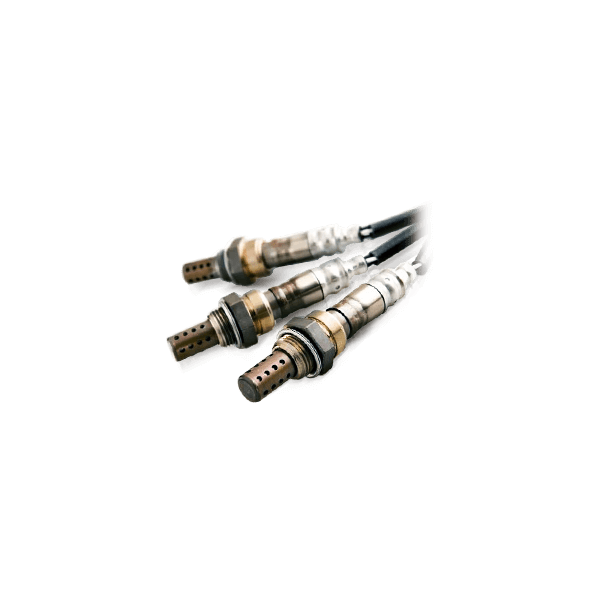
SANDO Oxygen sensor for popular car brands
SANDO O2 sensor for Top Models
O2 sensor: original-quality parts from top brands
faq
The signs that help to detect a defective lambda sensor:
- the vehicle consumes more fuel;
- the “Check Engine” indicator on the dashboard often lits on;
- power unit idling is unstable;
- the power unit loses power and often overheats;
- slower reaction of the car to the accelerator pedal;
- the vehicle moves jerkily;
- pops are heard when the engine is running;
- exhaust gases have a more distinctive unpleasant smell.
Depending on a vehicle’s make and model, production year and engine capacity, its manufacturer installs from 1 to 4 devices. They are placed before and after the catalytic converter. Usually, their exact location is specified in the vehicle service and repair manual.
You can make DIY diagnostics of the upstream lambda sensor. We recommend you to visit a garage for testing other sensors.
First, find the sensor using the vehicle’s service and repair manual. Inspect the part. For this, unscrew its fasteners and disconnect contacts and remove the sensor. A part in good condition should not have any mechanical defects and deposits, and its wiring should not have tears, traces of melting and corrosion.
If you have a VOM (volt-ohm-milliammeter), check the part measuring its main operating values. We recommend watching tutorial videos and studying the sensor connection diagram. You will need to:
- Start the engine and let it run for a few minutes.
- Shut it down and open the bonnet.
- Turn on the ignition.
- Connect the VOM probes to the heating circuit wires of the lambda sensor and measure input voltage. It should be 12 V.
- Check reference voltage by connecting the probe to the signal wires of the sensor. Connect the negative probe to the car bodywork. The received value should be less than 0,45 V.
- Check resistance of the sensor heater on an unplugged socket. Its working value varies within 2-10 Ohm. Precise values for your car are specified in the vehicle’s service and repair manual.
- Start the engine and connect the VOM probes to the sensor socket. Increase the engine rotation speed to approximately 3,000 rpm. Measure voltage. It should increase by 0,1–0,9 V.

Confidence in online shopping! You can return SANDO lambda sensor without explanation within 200 days after purchase and get your money back. How? Just use the Safe Order service on the checkout page. The service cost is only 2,99 €.

Each order from 120,00 € value of goods, include free shipping within Germany.
*Does not apply to large-size auto parts.

