
Oil filter for car
Order Oil filters at a fair price
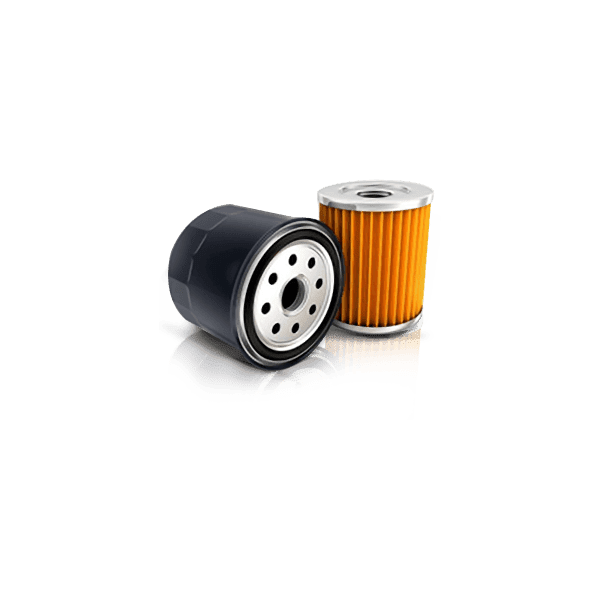
Engine oil filter: top brands
Oil filters for leading car makes
Oil filters for top car models
AUTODOC Bestsellers: Engine oil filter at a good price
View bestsellersThe top-selling spare parts in the Oil filter category. Browse our huge wide range of high-quality car parts from top brands in the category Oil filter and others.
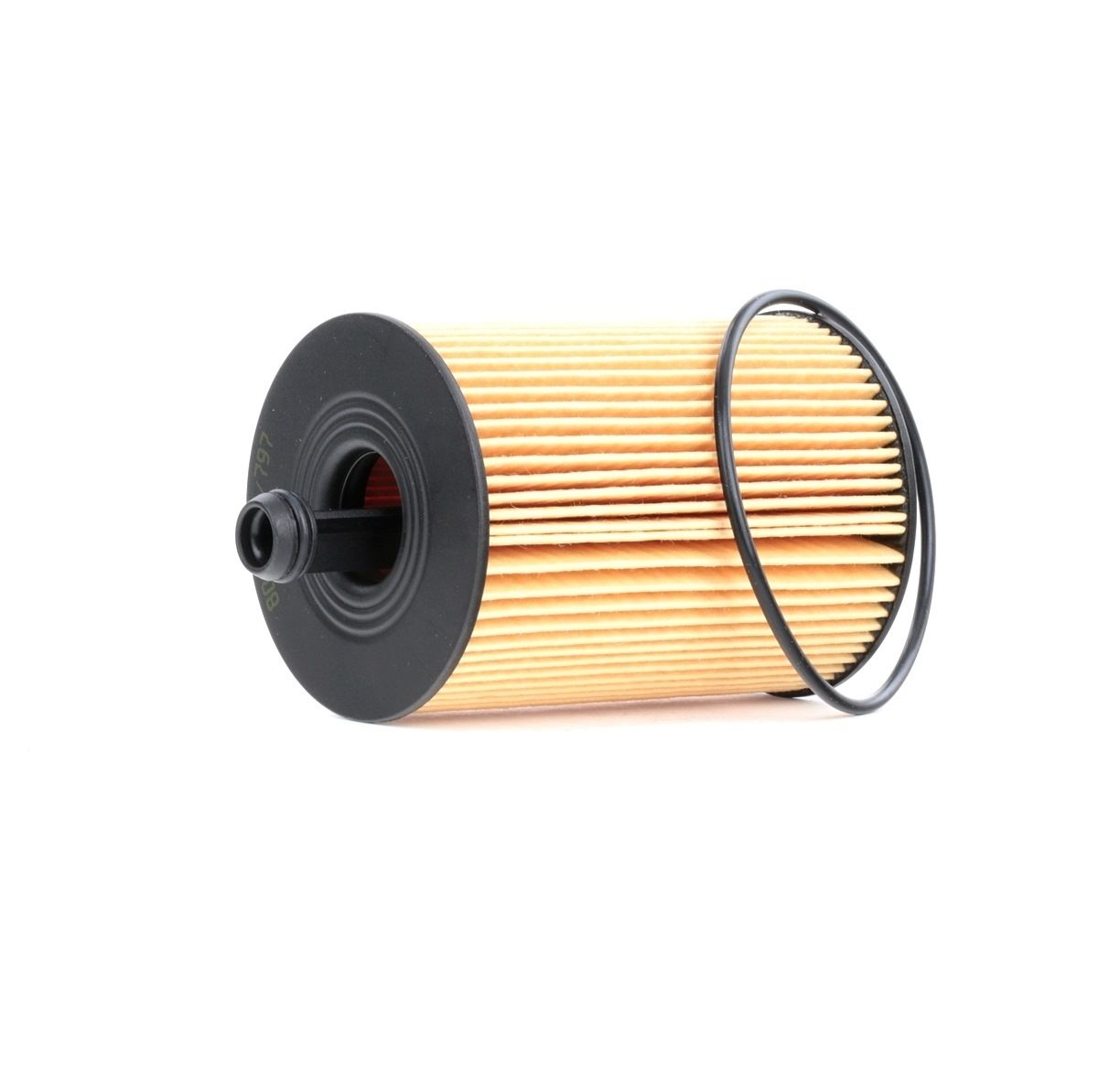 RIDEX 7O0002 Oil filter
Filter Insert
RIDEX 7O0002 Oil filter
Filter Insert
 MANN-FILTER W 712 Oil filter
3/4-16 UNF, Spin-on Filter
MANN-FILTER W 712 Oil filter
3/4-16 UNF, Spin-on Filter
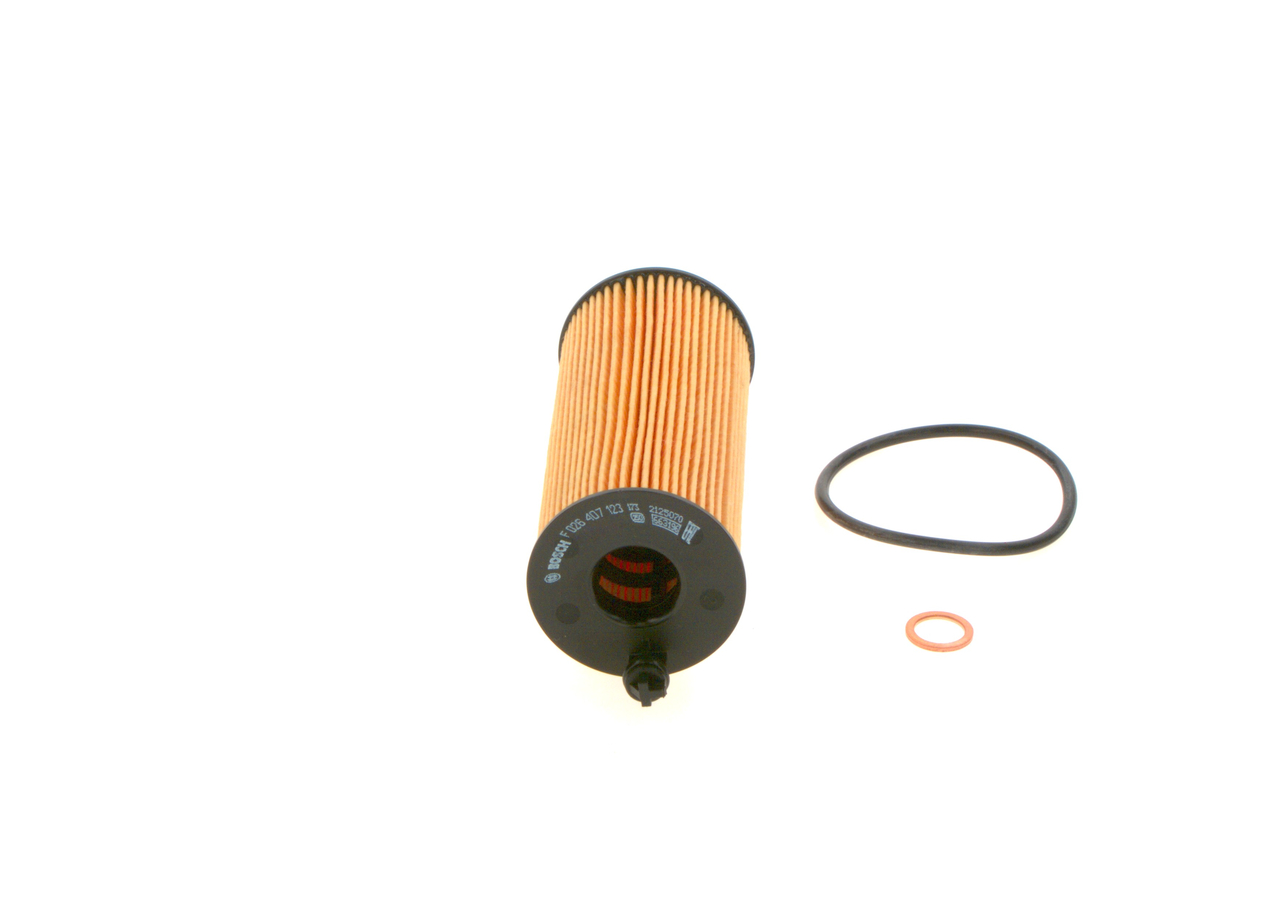 BOSCH P 7123 Oil filter
Filter Insert
BOSCH P 7123 Oil filter
Filter Insert
 MANN-FILTER HU 610 x Oil filter
Filter Insert
MANN-FILTER HU 610 x Oil filter
Filter Insert
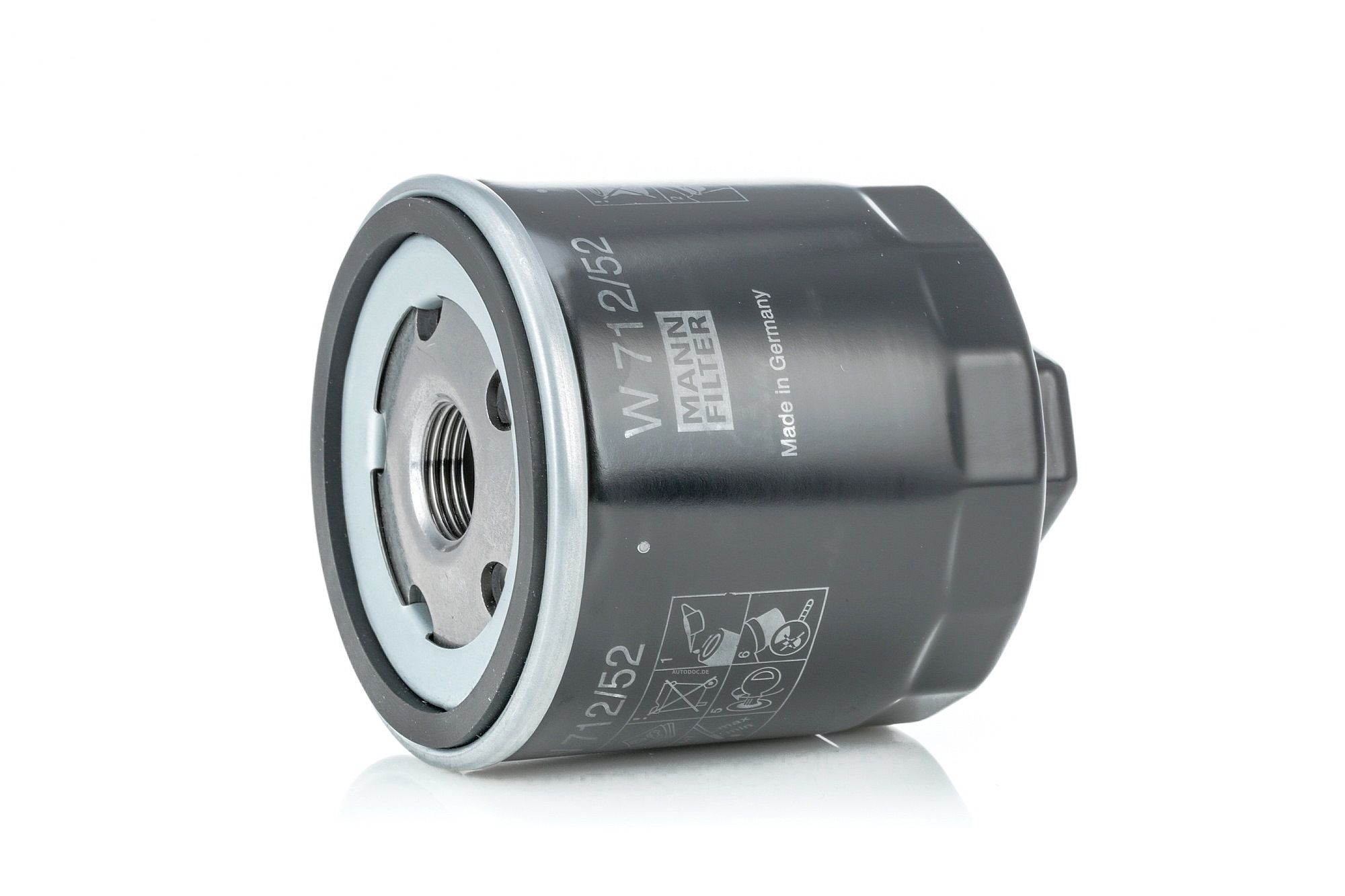 MANN-FILTER W 712/52 Oil filter
3/4-16 UNF, Spin-on Filter
MANN-FILTER W 712/52 Oil filter
3/4-16 UNF, Spin-on Filter
 HifloFiltro 0000000000000000000000 Oil filter
Filter Insert
HifloFiltro 0000000000000000000000 Oil filter
Filter Insert
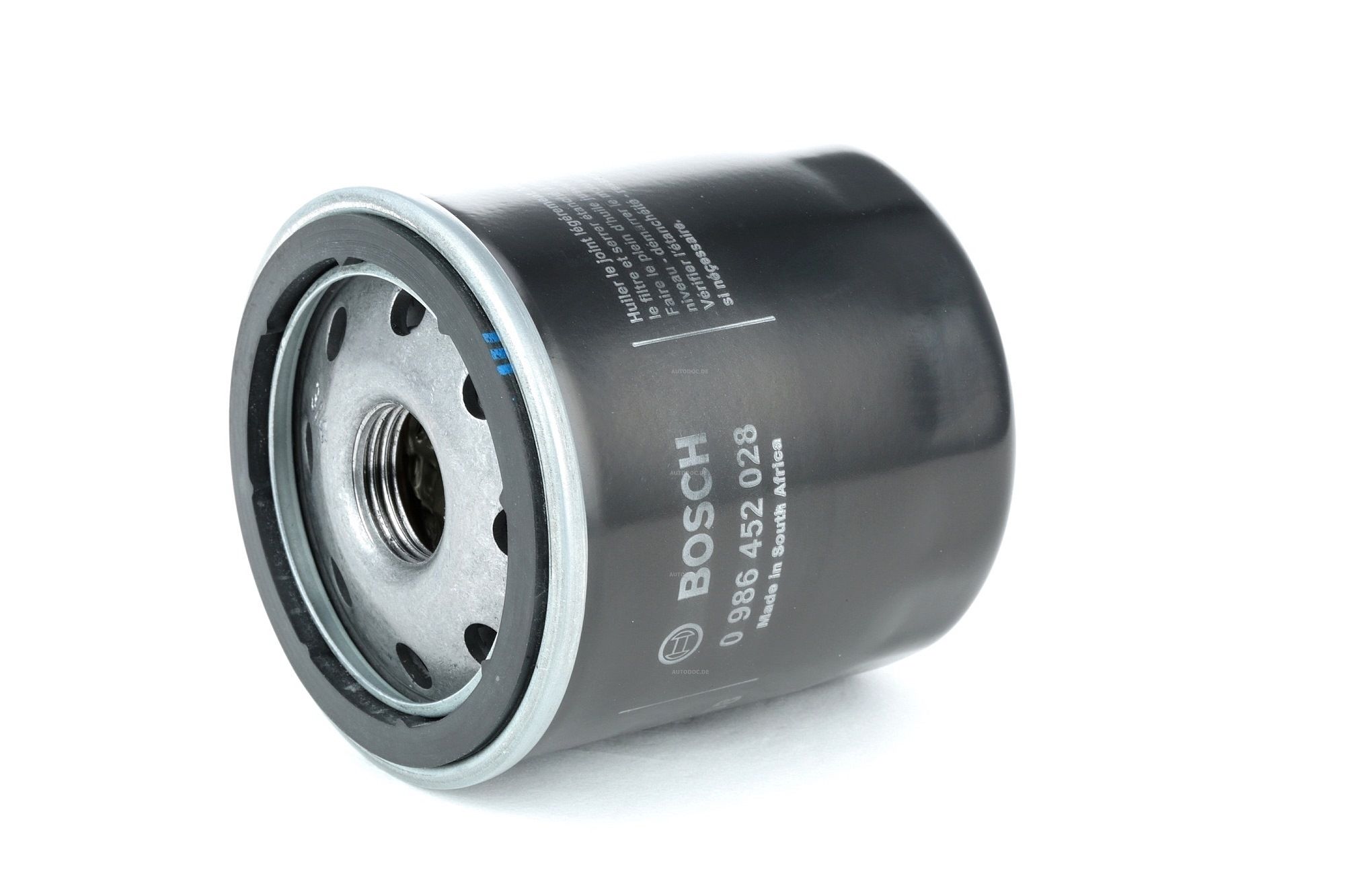 BOSCH P 2028 Oil filter
3/4" 16 UNF-2B, Spin-on Filter
BOSCH P 2028 Oil filter
3/4" 16 UNF-2B, Spin-on Filter
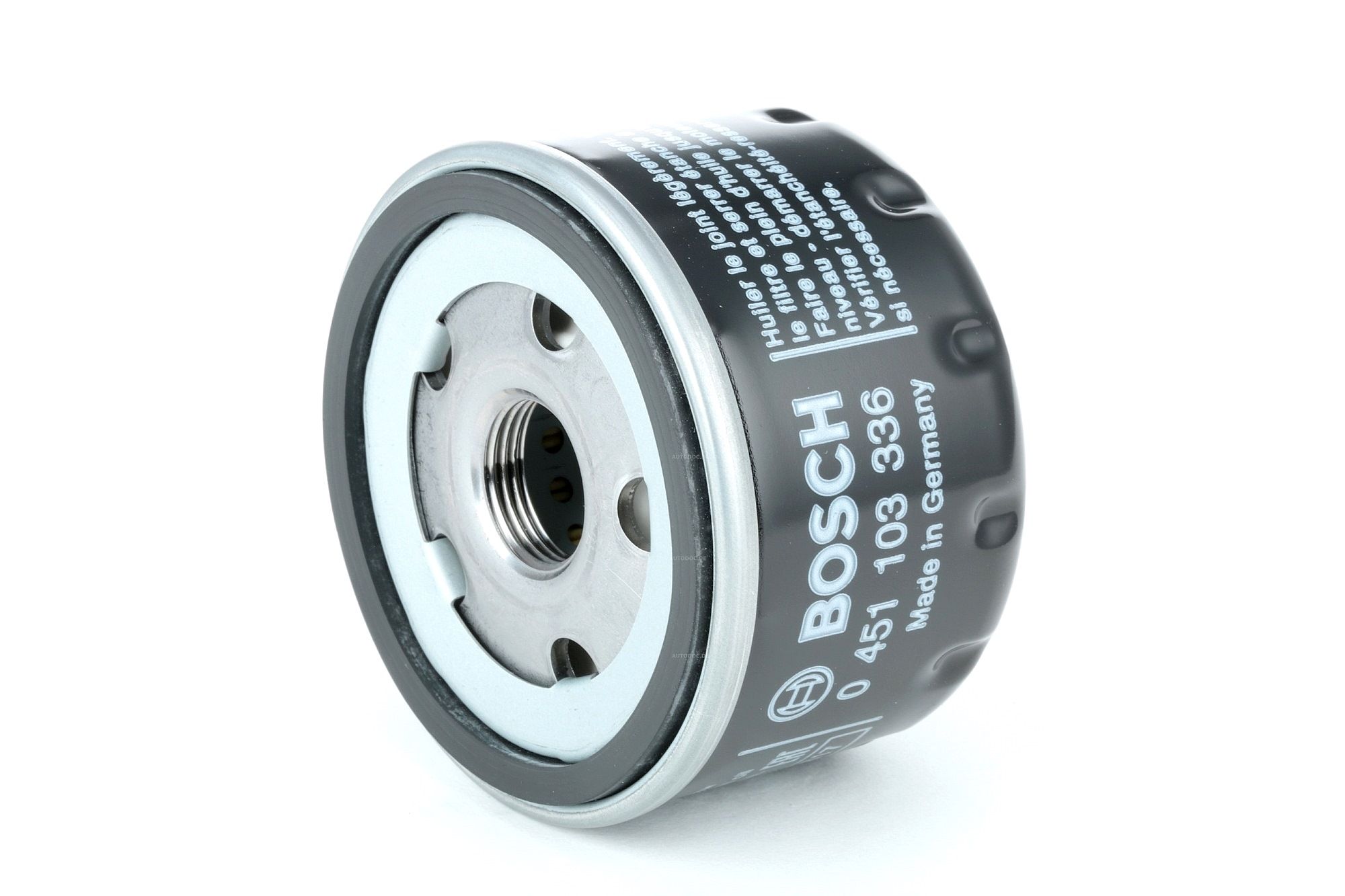 BOSCH P 3336 Oil filter
M 20 x 1,5, Spin-on Filter
BOSCH P 3336 Oil filter
M 20 x 1,5, Spin-on Filter
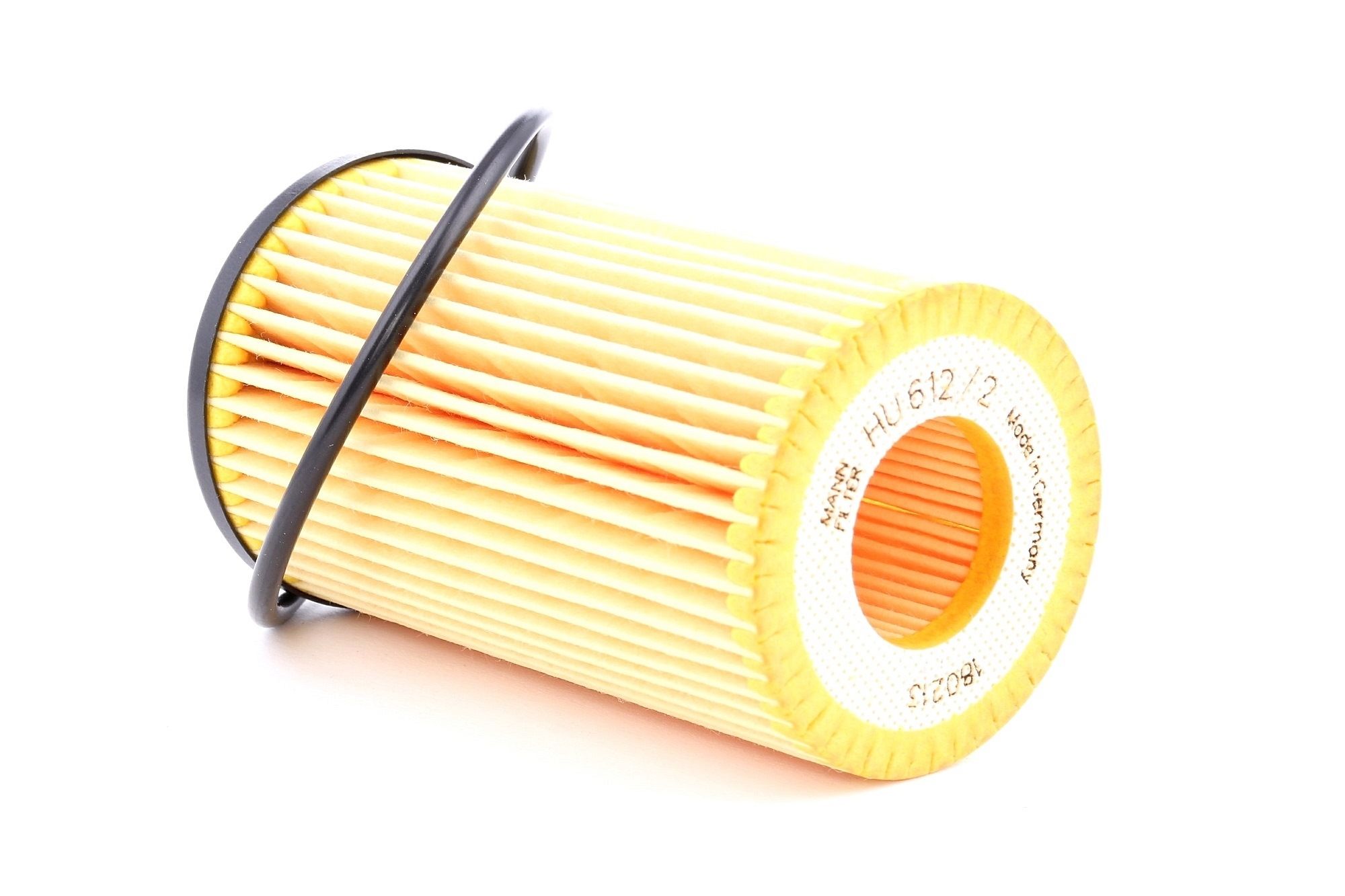 MANN-FILTER HU 612/2 x Oil filter
Filter Insert
MANN-FILTER HU 612/2 x Oil filter
Filter Insert
 MANN-FILTER W 67/2 Oil filter
3/4-16 UNF, Spin-on Filter
MANN-FILTER W 67/2 Oil filter
3/4-16 UNF, Spin-on Filter
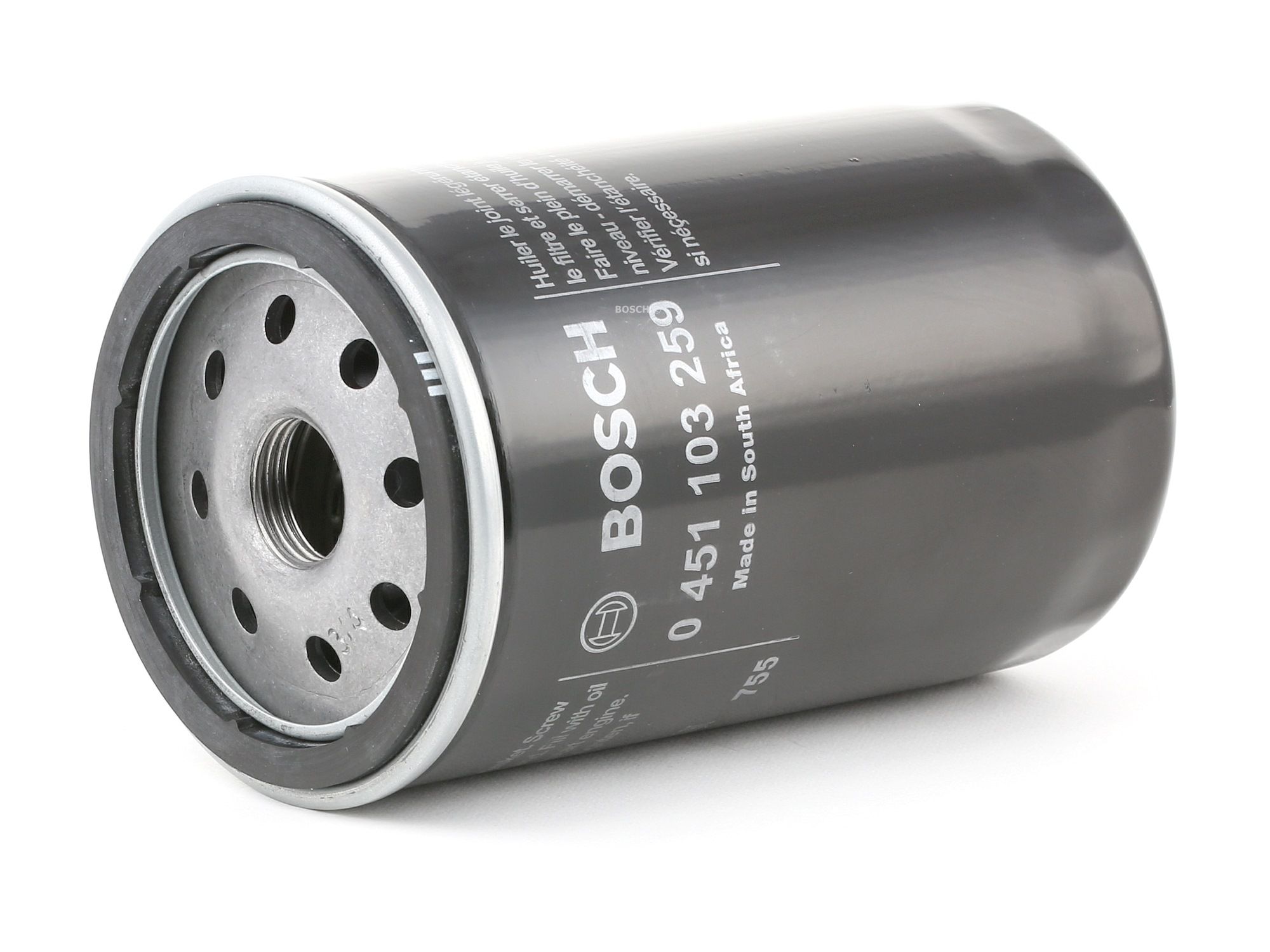 BOSCH P 3259 Oil filter
3/4" 16 UNF-2B, Spin-on Filter
BOSCH P 3259 Oil filter
3/4" 16 UNF-2B, Spin-on Filter
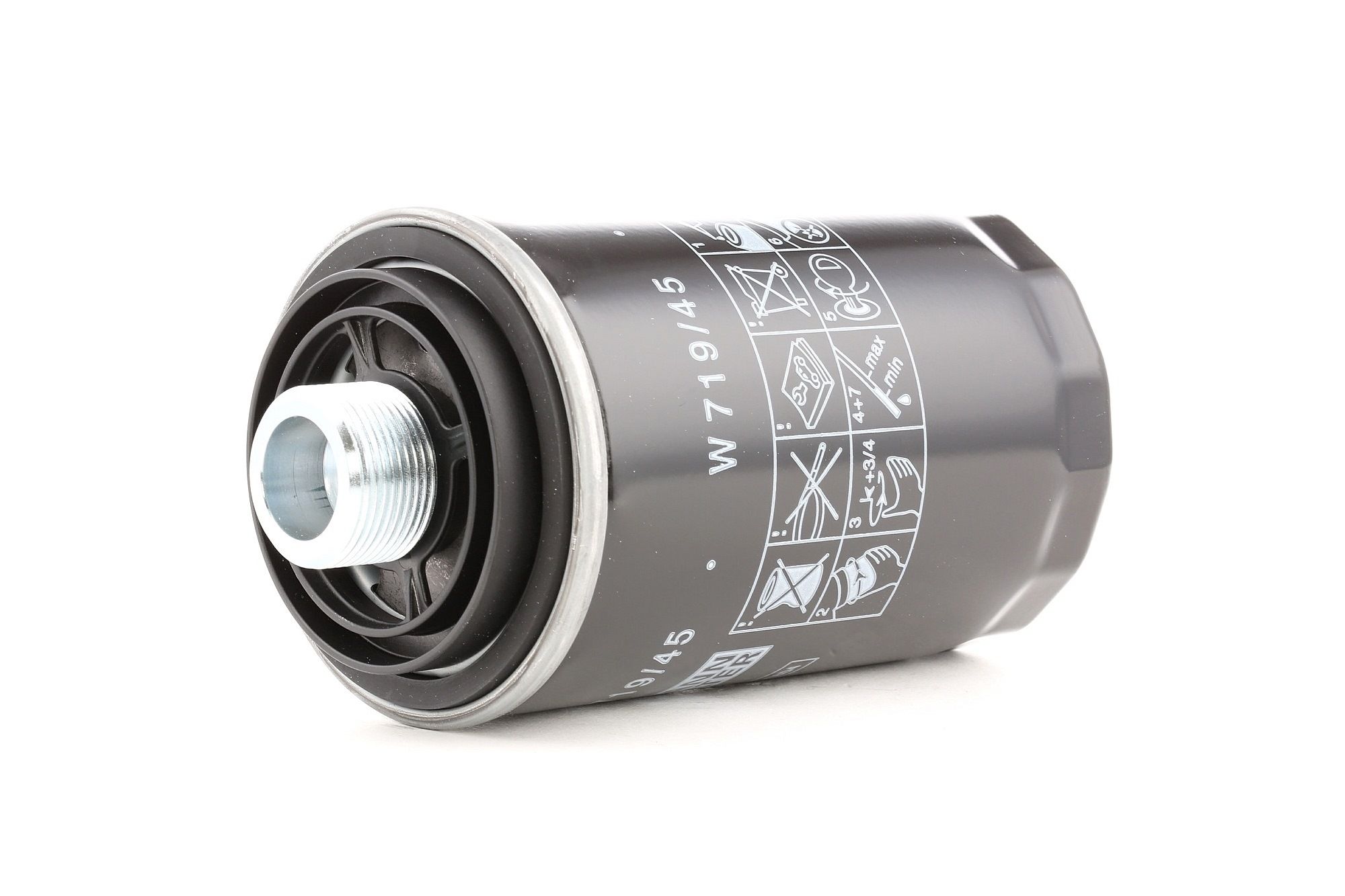 MANN-FILTER W 719/45 Oil filter
M27x1.5, Spin-on Filter
MANN-FILTER W 719/45 Oil filter
M27x1.5, Spin-on Filter
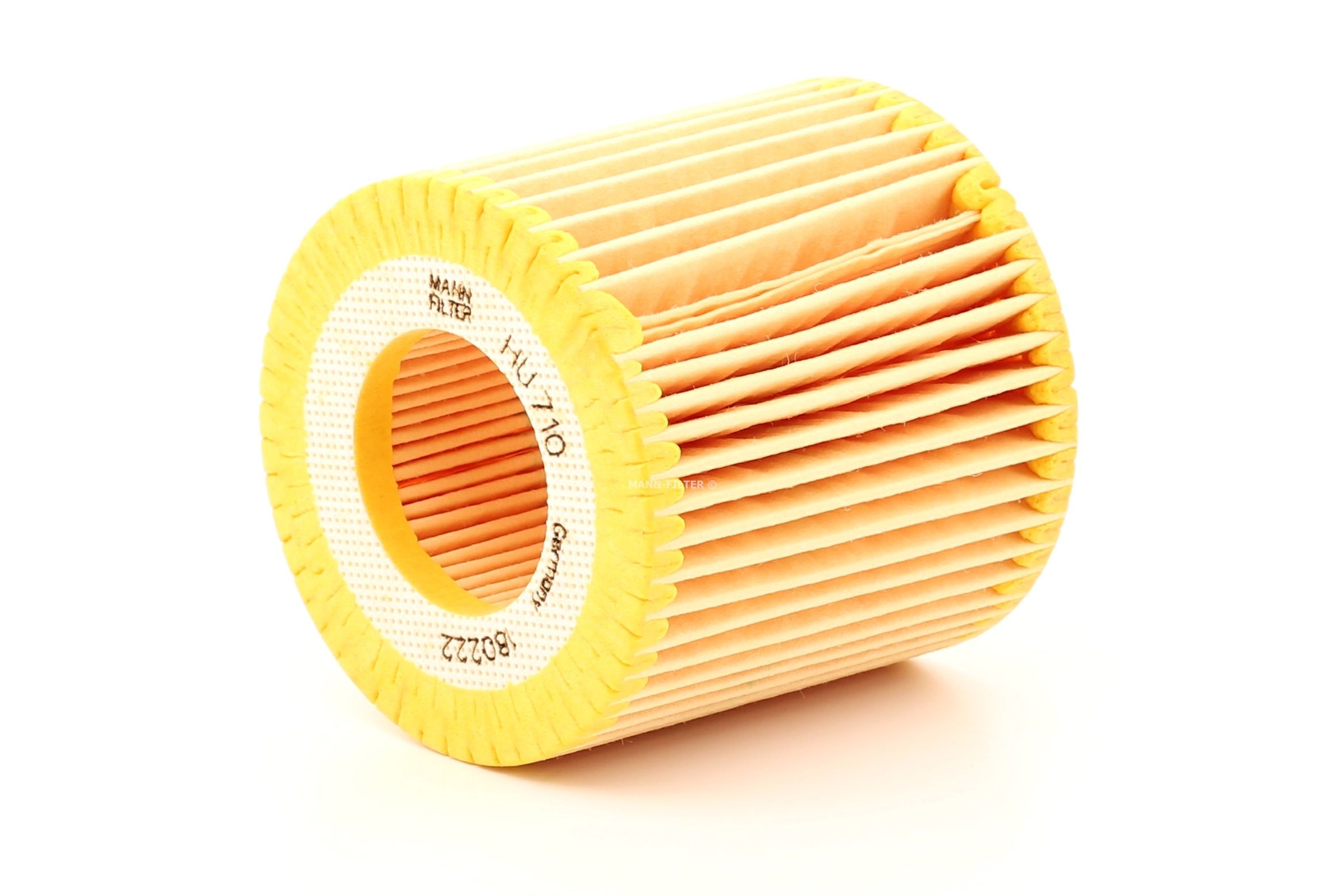 MANN-FILTER HU 710 x Oil filter
Filter Insert
MANN-FILTER HU 710 x Oil filter
Filter Insert
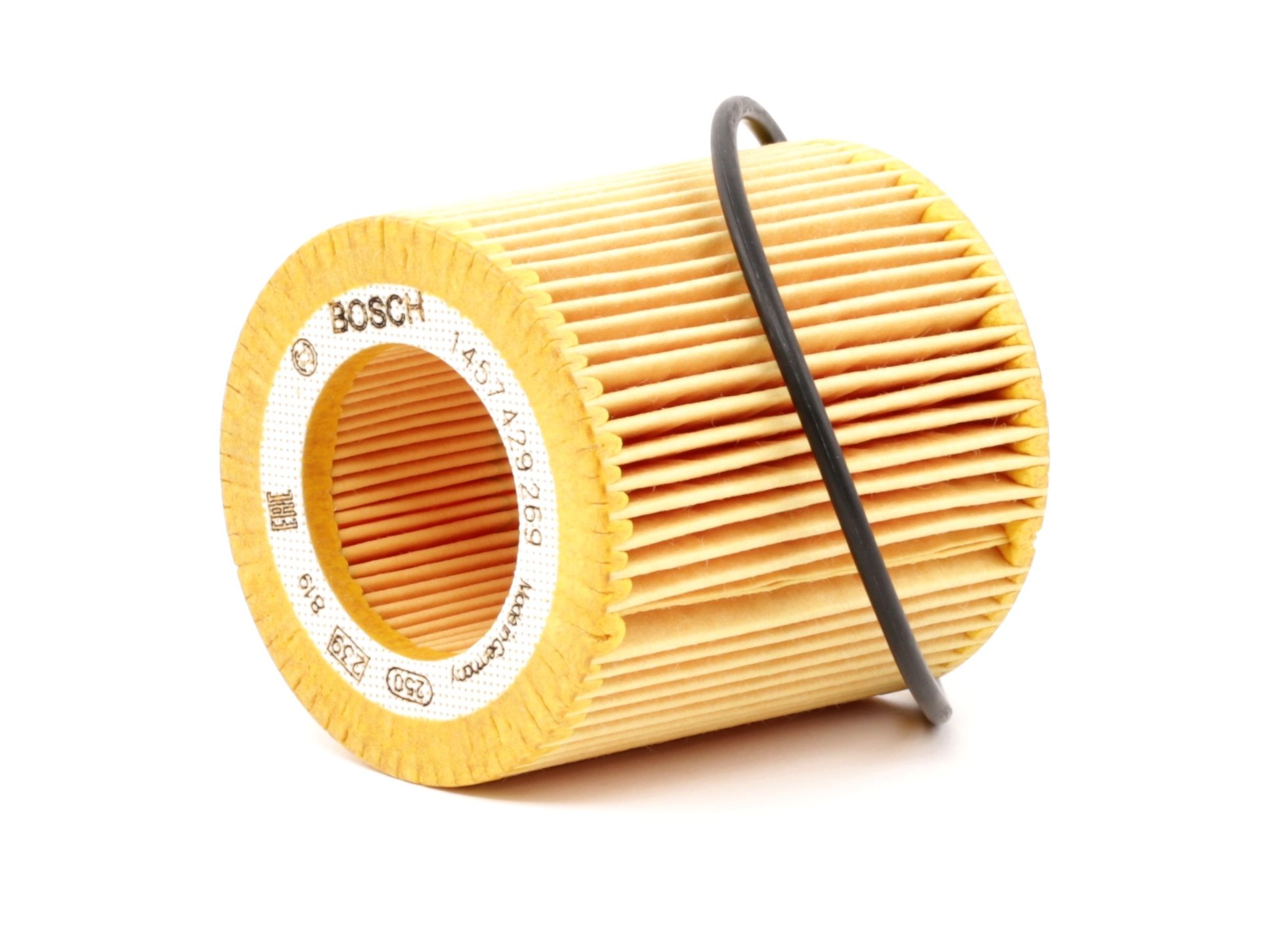 BOSCH P 9269 Oil filter
Filter Insert
BOSCH P 9269 Oil filter
Filter Insert
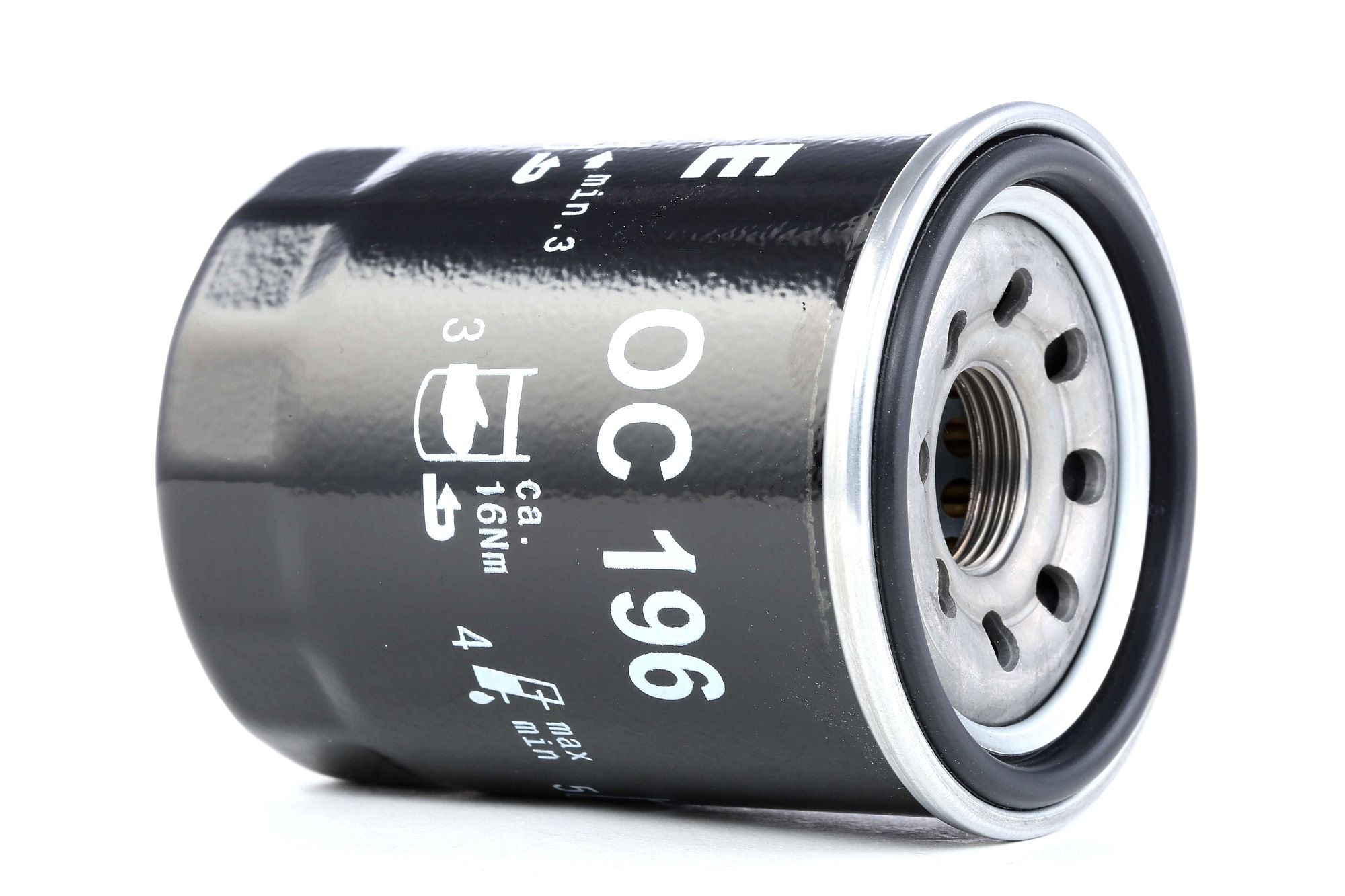 MAHLE 78636359 Oil filter
M20x1,5, Spin-on Filter
MAHLE 78636359 Oil filter
M20x1,5, Spin-on Filter
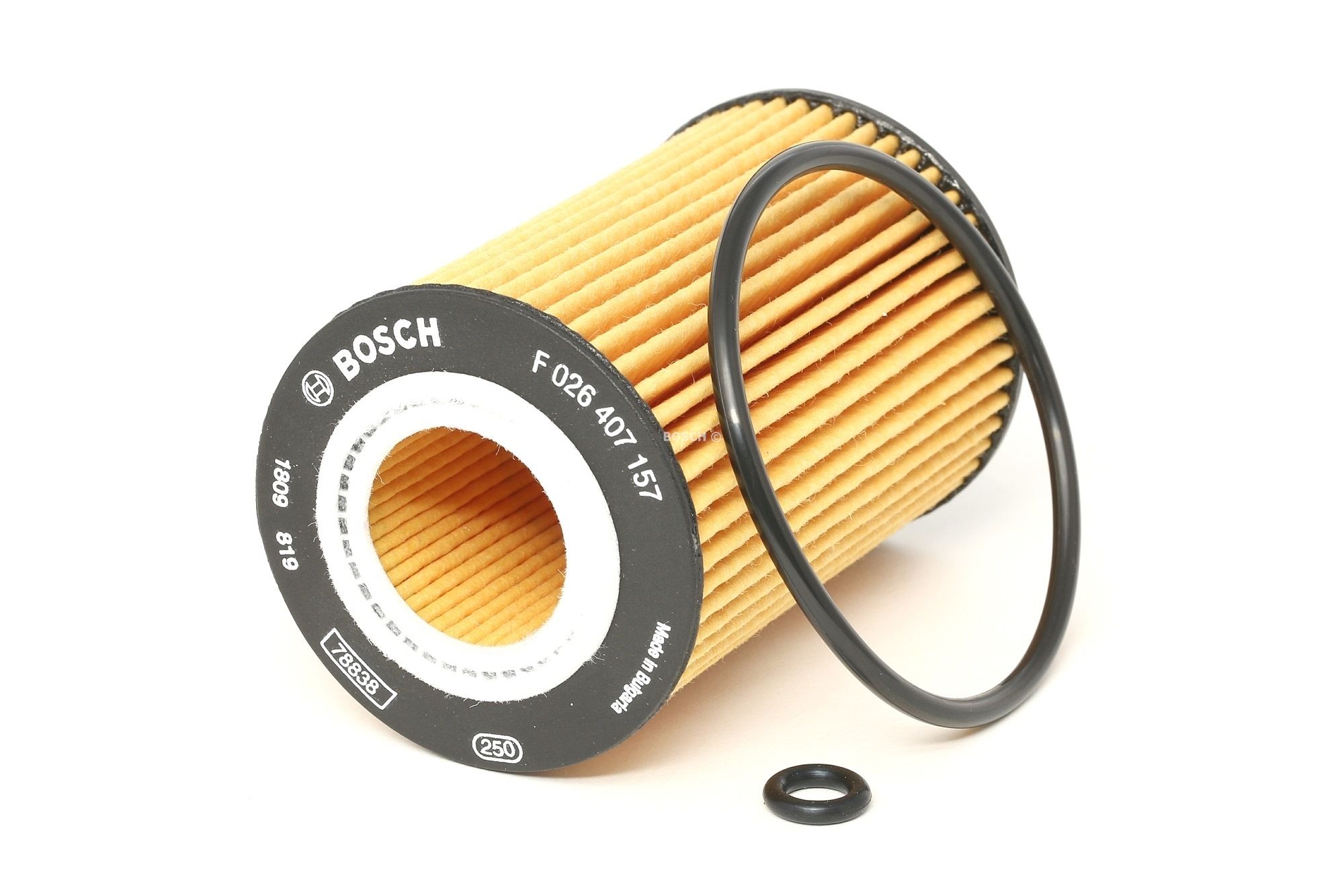 BOSCH P 7157 Oil filter
Filter Insert
BOSCH P 7157 Oil filter
Filter Insert
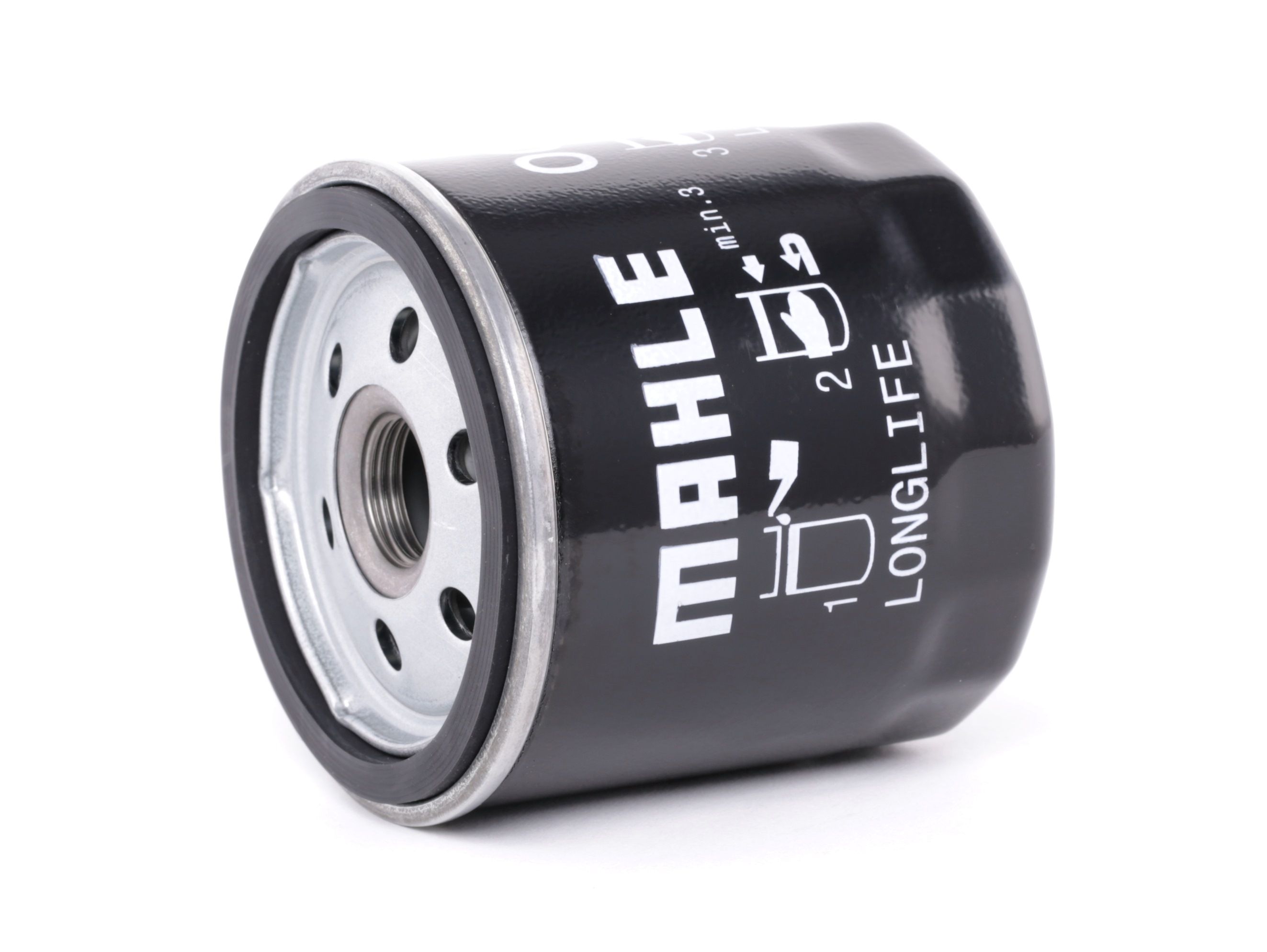 MAHLE 76637839 Oil filter
M18x1,5, Spin-on Filter
MAHLE 76637839 Oil filter
M18x1,5, Spin-on Filter
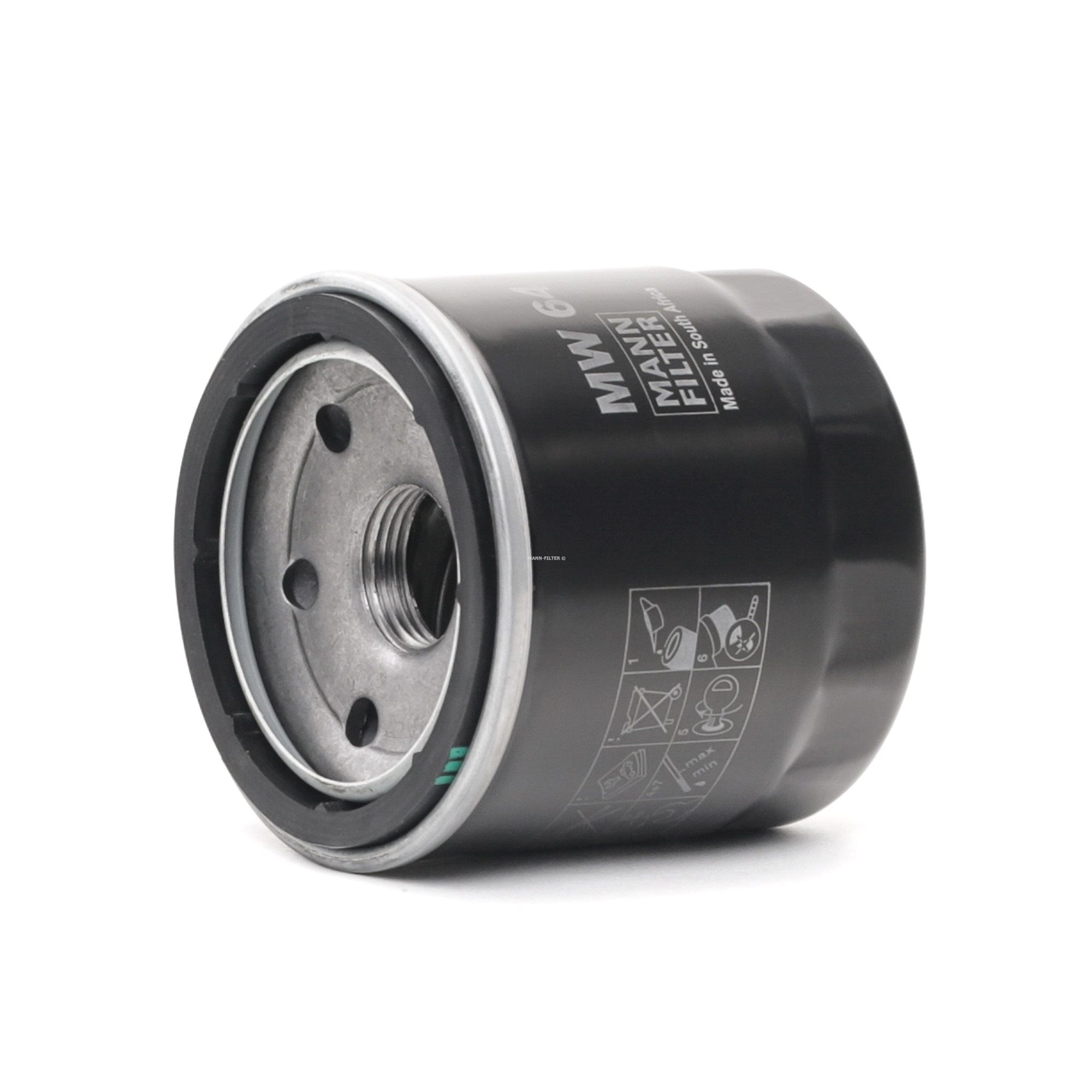 MANN-FILTER MW 64 Oil filter
M20x1.5, Spin-on Filter
MANN-FILTER MW 64 Oil filter
M20x1.5, Spin-on Filter
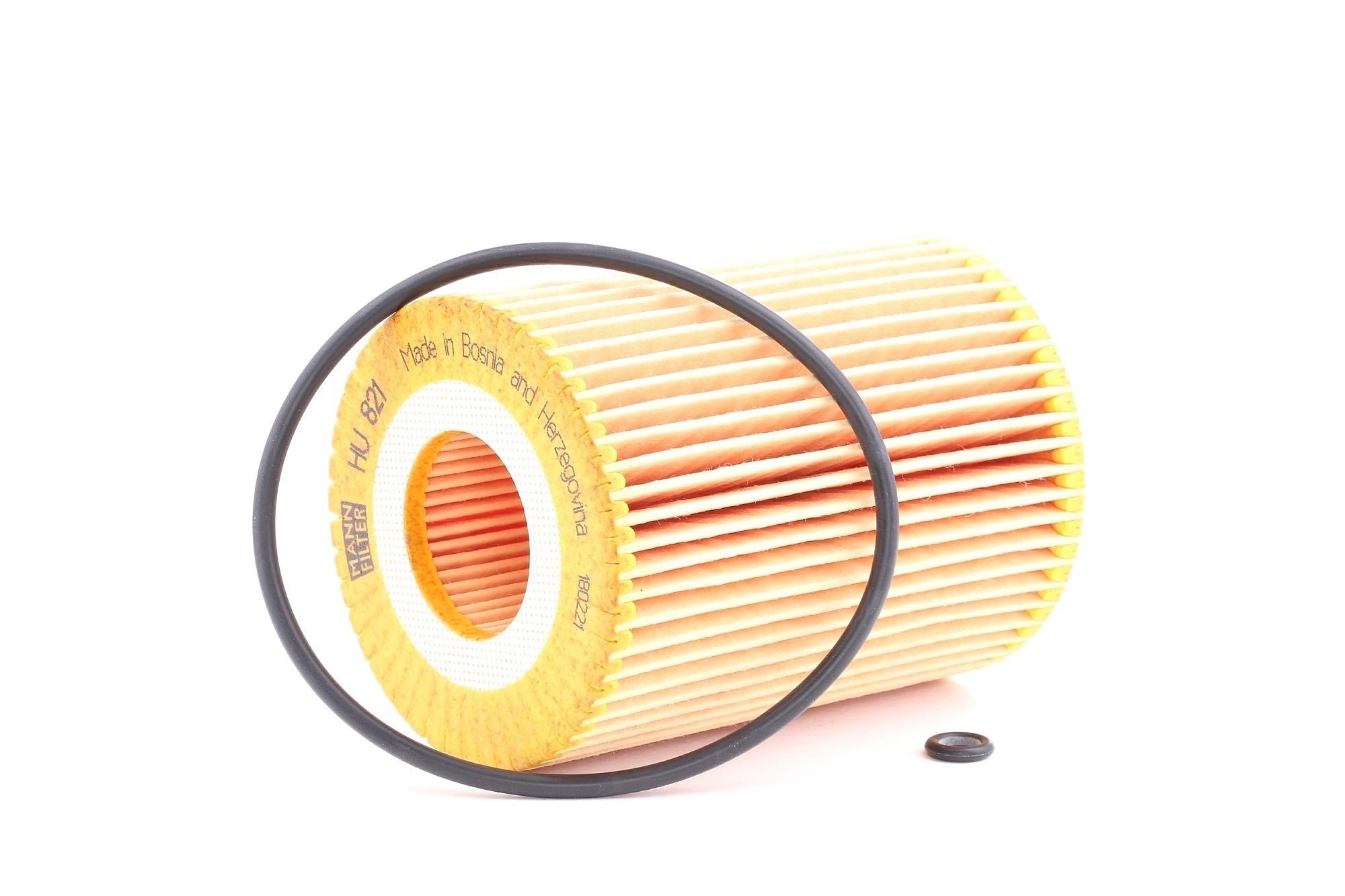 MANN-FILTER HU 821 x Oil filter
Filter Insert
MANN-FILTER HU 821 x Oil filter
Filter Insert
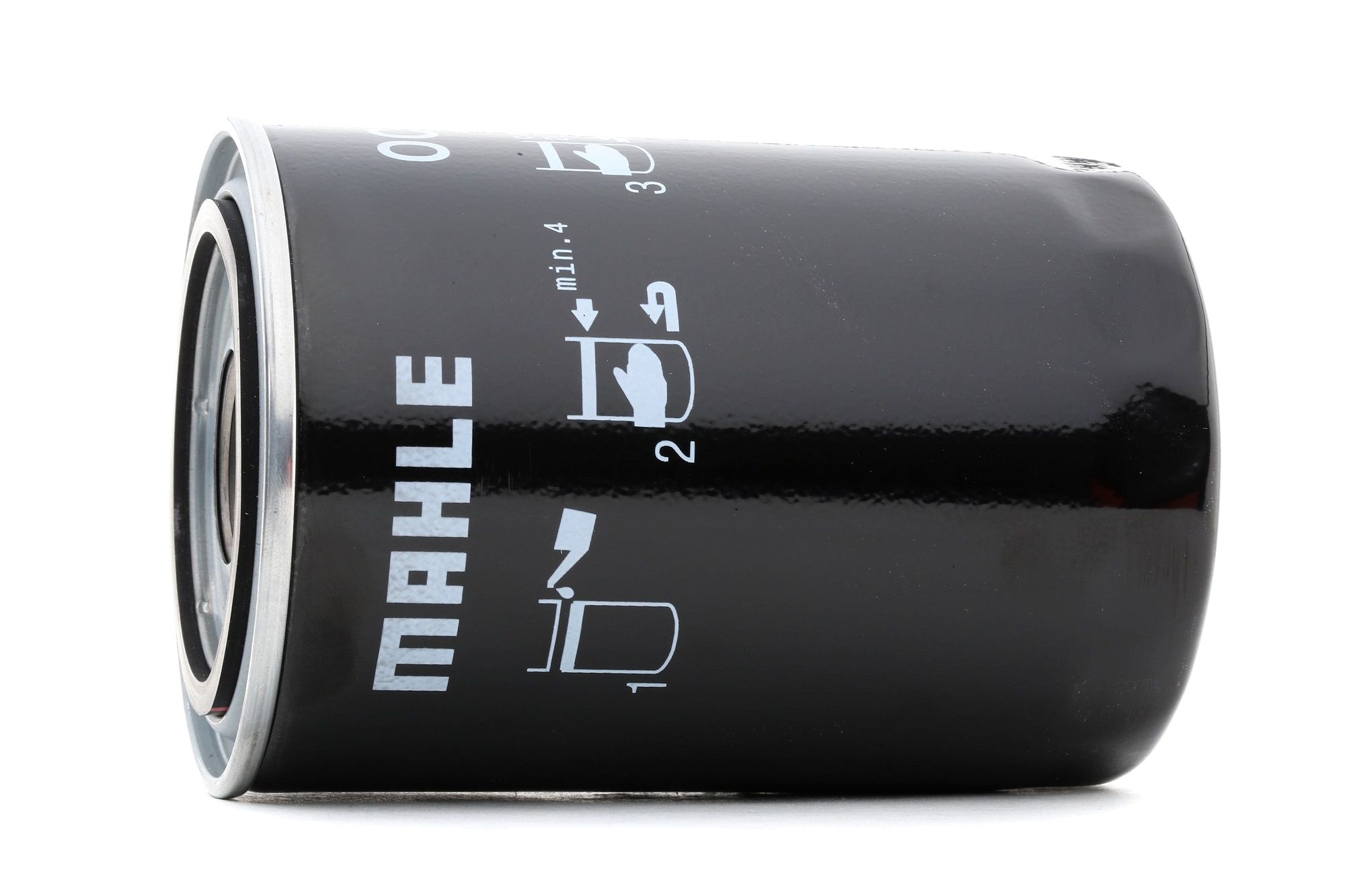 MAHLE 77642499 Oil filter
1"-12UNF-2B, Spin-on Filter
MAHLE 77642499 Oil filter
1"-12UNF-2B, Spin-on Filter
Replacement of Oil filter: Video repair guide
Step by Step Video Tutorial for Do-it-yourself Auto Repair. Become an amateur mechanic with Autodoc.
| The bestselling products: | |||||
|---|---|---|---|---|---|
| 0 986 452 028 | W 712 | 0 451 103 370 | HF139 | 0 451 103 259 | HU 610 x |
| For popular car brands: | |||||
| VW | MERCEDES-BENZ | BMW | AUDI | OPEL | FORD |
| Oil filter – technical details | |||||
| Height [mm] | Inner Diameter 2 [mm] | Thread Size | |||
| 134 | 155 | 19 | 21 | 3/4" 16 UNF | 3/4" 16 UNF-2B |
| 76 | 86 | 31 | 51 | 3/4-16 UNF | 3/4"-16UNF-2B |
| 63 | 54 | 58,5 | 63 | 3/4" 16UNF 2B | M 20 x 1,5 |
What is an Oil Filter?
An oil filter is a critically important element of the engine lubrication system that cleans engine oil from contaminants. Without a filter, metal particles, soot, combustion products, and other abrasive particles would circulate in the engine, causing accelerated wear of pistons, bearings, and other moving parts.
The filter is designed to trap harmful particles ranging from 5 to 40 microns (0.005–0.040 mm). High-quality filters can achieve a capture efficiency of 95–98% for particles in this size range. Without effective filtration, engine service life can be shortened by 50–70%, whilst the risk of critical failure increases significantly.
An oil filter is a consumable material requiring replacement at each oil change. The average replacement interval in Germany is 15,000–30,000 km or every 1–2 years, depending on operating conditions and manufacturer recommendations.
Oil Filter Operating Principle
An oil filter works as a barrier between contaminated and clean oil. The oil pump supplies oil under pressure through the filtering element, where solid particles are trapped, whilst cleaned oil flows to engine components.
Modern filters consist of several key components, each performing a specific function in the filtration process.
Oil Filter Construction
Oil filters generally come in two types: Spin-on (Canister) filters and Cartridge (Element) filters. While spin-on filters are self-contained metal units, cartridge filters — common in modern German engines like those from BMW and VAG — consist of a replaceable paper element that fits into a permanent housing on the engine.
Main components:
- Filter housing: In spin-on filters, this is a disposable steel canister protecting the internal elements. In cartridge systems, the housing is a permanent part of the engine, usually made of aluminium or reinforced plastic, and is capped with a removable lid.
- Filtering element: Pleated paper or synthetic material, typically with a surface area of 0.1–0.3 m²; traps particles sized 5–40 microns.
- Anti-drainback valve: Prevents oil draining back to the sump when the engine stops, ensuring instant oil supply at startup. (Located inside the canister for spin-on types; often integrated into the permanent engine housing for cartridges).
- Bypass valve: Opens when the filter clogs or oil thickens in cold weather, passing unfiltered oil to protect the engine from oil starvation.
- Sealing Ring/O-ring: Ensures a tight seal. Spin-on filters use a flat rubber gasket. Cartridge filters require new rubber O-rings (supplied with the filter) to be fitted to the housing cap during replacement to prevent leaks.
Filtration Process
The filter operating cycle consists of several stages, ensuring continuous oil cleaning whilst the engine runs.
- The oil pump draws oil from the engine sump.
- Oil under pressure of 2–6 bar enters the filter through inlet ports.
- The filtering element traps contamination particles from 5 microns.
- Cleaned oil flows through the central opening into the engine's main oil galleries.
- Oil lubricates the crankshaft bearings, camshafts, and piston assemblies.
- The oil drains back to the sump, and the cycle repeats.
Important: If the filter element becomes significantly clogged, or if the oil is very thick due to cold weather, the internal pressure difference will force the bypass valve to open. This allows unfiltered oil to circulate, preventing engine seizure due to oil starvation, but it means abrasive particles will reach sensitive engine parts.
Types of Oil Filters
The market features several oil filter types differing in construction, filtration effectiveness, and application area. Type selection depends on engine construction, operating conditions, and budget.
Full-Flow Spin-on Filters
This is a classic filter type consisting of a sealed metal canister with the filtering element inside. The entire unit is replaced at each oil change.
Characteristics:
- Application: Common on older vehicles and many non-European brands; widely used on petrol engines up to 2.0–3.0 litres
- Output: Typically up to 20–40 litres/minute depending on engine size
- Filtration effectiveness: 95–98% efficiency for particles >20 microns
- Service life: 15,000–30,000 km or every 1–2 years (aligned with oil change intervals)
- Price: €5–€35
Advantages:
- Simple replacement: Can often be unscrewed by hand or with a basic removal tool
- Cost-effective: Generally low price and widely available
- Reliability: The pressure relief valves and seals are replaced with every service, reducing the risk of component fatigue
Disadvantages:
- Environmental Impact: Creates more metal waste as the entire canister is discarded
- Inspection: Impossible to inspect the filter media for debris without cutting the can open
Cartridge Filters
A filtering element without metal housing, installed in a reusable plastic or aluminium canister on the engine. Only the cartridge is replaced during service.
Characteristics:
- Application: Standard on most European vehicles (VW, Audi, BMW, Mercedes) since the late 1990s
- Flow Rate: Designed to match full engine oil pump output (typically 10–60+ litres/minute depending on RPM)
- Effectiveness: 98–99% capture efficiency for particles >15–20 microns (premium synthetic media)
- Service life: 15,000–30,000 km (aligned with LongLife intervals)
- Price: €4–€40
Advantages:
- Environmentally friendly — significantly less waste (only paper and rubber are discarded)
- Lighter by 40–60% compared to spin-on equivalents
- Often allows for a larger filtration surface area within the same space
- Compact — occupies less space
Disadvantages:
- Installation complexity: Risk of leaks if the O-ring is twisted or placed in the wrong groove
- Tools: Usually requires a specific large socket (e.g., 32 mm) or strap tool to remove the housing cap
- Maintenance: Requires careful replacement of the rubber O-rings (supplied with the new filter) to prevent leaks
Combination Filters (Full-flow + Bypass)
A two-stage cleaning system typically found in heavy-duty commercial vehicles. It combines a full-flow paper filter with a bypass centrifugal filter
Characteristics:
- Application: Primarily diesel lorry engines, construction equipment, and agricultural machinery
- Filtration Roles: The paper filter traps standard debris (metal shavings, dust), whilst the centrifuge spins at high speed to separate ultra-fine soot and sludge (<1–5 microns) that paper cannot catch
- Effectiveness: Extremely high; captures up to 99.5% of contaminants, including sub-micron soot
- Service life: 30,000–60,000 km
- Price: €35–€85 (for a complete service kit including paper element and centrifuge rotor)
Advantages:
- Removes soot, which extends oil life significantly
- Allows for the very long service intervals required by commercial haulage
- Reduces long-term abrasive wear from fine particles
Disadvantages:
- Significantly more expensive to service than standard filters
- Replacement can be messier and requires more time
- The unit is bulky and requires significant space in the engine bay
Magnetic Filtration Aids
These are aftermarket add-ons used to capture metallic particles (iron/steel) that are too fine for standard paper filters to trap.
Types:
- Magnetic Sump Plugs: A simple replacement for the standard oil drain plug
- External Filter Magnets: Curved high-power magnets (e.g., FilterMAG) that attach to the outside of the filter canister
Characteristics:
- Effectiveness (Both): Traps ferromagnetic particles as small as 1 micron (which standard paper filters miss)
- Application:
- Sump Plugs: Widely available for almost all vehicles as an upgrade
- External Magnets: Popular among enthusiasts and for tuned engines
- Important Note : External magnets cannot be used on the plastic or aluminium cartridge housings found on many modern German engines (BMW, Mercedes, VAG). They only work on steel spin-on canisters.
- Price:
- Sump Plugs: €2–€15
- External Magnets: €20–€130 (depending on brand and magnet strength)
Recommendation: For standard road cars, a magnetic sump plug is a cost-effective upgrade. High-end external magnets are generally unnecessary for daily driving, but valuable for high-performance engines to reduce wear at high RPMs.
Service Life and Replacement Intervals
An oil filter is a consumable part with a limited service life. Timely replacement is critical for protecting the engine from premature wear and expensive repairs.
The standard replacement interval for an oil filter always coincides with the engine oil change. In Germany, this is typically 15,000–30,000 km or every 12–24 months, depending on whether the vehicle follows a fixed or “LongLife” service schedule. Always check the vehicle manufacturer's specific recommendations in the service book.
Service Life Influencing Factors
The actual lifespan of an oil filter depends on numerous variables. In “severe” conditions, replacement may be required more frequently than the standard manufacturer interval.
- Operating conditions. Urban driving with frequent stops, short journeys before engine warm-up can shorten service life by 30–40%.
- Oil quality. Lower quality mineral oils oxidise faster, creating sludge that clogs the filter. Using high-quality synthetic oil significantly reduces sludge formation, extending filter efficiency.
- Fuel quality. While German fuel standards are high, incomplete combustion or fuel dilution (from frequent cold starts) can contaminate the oil with soot and unburnt fuel.
- Engine condition. A worn engine with high mileage produces more metal particles and combustion blow-by, placing a higher load on the filter.
- Dusty environments. Dust enters the engine through the air filter and mixes with oil.
- Driving style. Aggressive driving and constant operation at high RPMs accelerate oil degradation.
Recommended Intervals by Operating Type
| Operating Conditions | Replacement Interval (km) | Replacement Frequency |
|---|---|---|
| Normal operation (motorway) | 20,000–30,000 | Every 1.5–2 years |
| Mixed driving (urban + motorway) | 15,000–20,000 | Annually |
| Urban driving (traffic jams, short journeys) | 10,000–15,000 | Every 8–12 months |
| Heavy conditions (taxi, delivery, towing) | 7,500–10,000 | Every 6–9 months |
| Extreme conditions (off-road, sport) | 5,000–7,500 | Every 4–6 months |
Important: In Germany, most manufacturers recommend oil and filter change according to the LongLife scheme every 30,000 km or 2 years for vehicles with predominantly motorway operation. However, for urban driving, it is safer to maintain an interval of 15,000 km or 1 year.
Oil Filter Clogging Signs
A clogged filter reduces engine lubrication effectiveness and may lead to serious failures. It is important to recognise problem symptoms before they develop into expensive repairs.
Dashboard Indication
- Oil Pressure Warning Light (Red Oil Can): If the oil pressure drops below a critical level (typically <0.5 bar at idle), this red warning light will illuminate. Cause: While the filter's bypass valve usually prevents this, extreme clogging or sludge buildup can restrict oil flow enough to trigger the sensor. It may also indicate a failing oil pump.
- Check Engine warning. On modern vehicles with advanced sensors, consistent deviations in oil pressure or variable valve timing (VVT) faults caused by restricted flow can trigger the “Check Engine” light.
Action: If the red oil pressure light illuminates while driving, stop the vehicle immediately, switch off the engine, and check the oil level. Do not restart the engine if the level is correct but the light persists—call a recovery service. Continued driving will lead to engine seizure.
Engine Operation Changes
- Noisy Cold Start: If you hear ticking or clattering for several seconds after starting, it indicates the oil system is struggling to build pressure—often due to a clogged filter or a faulty anti-drainback valve.
- Deep Knocking: A heavy metallic thudding sound is a critical sign of bearing starvation. This means the filter/oil system has failed completely.
- Oil pressure drop. On vehicles equipped with a pressure gauge, a reading below manufacturer specifications indicates a flow restriction or pump issue. (Note: A healthy hot idle is typically 0.8–1.5 bar; anything approaching 0.5 bar is critical.)
- Increased oil consumption. If a clogged filter is frequently in bypass mode, abrasive particles accelerate piston ring wear. The engine begins consuming oil, leading to a drop in oil level between services.
- Spark plug contamination. As piston rings wear due to poor filtration, oil enters the combustion chamber. This leaves oily, black deposits on the spark plugs, causing misfires.
Visual Signs
- Dark, dirty oil:
- Colour: It is normal for modern synthetic oil to darken quickly (especially in diesels) as detergents clean the engine. This proves the oil is working, not that the filter has failed.
- Texture: However, if the oil feels gritty or sandy to the touch, the filter is clogged or in bypass mode.
- Metal shavings on dipstick. If you see metallic glint or particles on the dipstick, this indicates critical engine wear. The filter is either in bypass mode or overwhelmed.
- Oil leaks around the filter. If the filter becomes clogged, internal pressure rises. This can force oil past the rubber seal (O-ring), causing leaks at the base of the filter housing.
Behavioural Signs
- Power Reduction. In extreme cases where the filter is blocked and oil has turned to sludge, internal friction increases, making the engine feel sluggish and less responsive.
- Increased Fuel Consumption. Higher internal friction requires more energy to rotate the crankshaft, noticeably increasing fuel consumption.
Critically important: Ignoring these symptoms leads to scoring on crankshaft bearings, camshaft wear, piston assembly damage. Engine replacement can cost €3,000–€15,000, whilst a timely filter replacement costs just €4–€40.
How to Replace an Oil Filter
Oil filter replacement is a medium-difficulty procedure that can be performed independently with a minimum tool set and basic skills. However, it is important to observe the action sequence and precautionary measures.
Where is the Oil Filter Located?
The filter’s location depends on your vehicle’s make and engine design. Common locations include:
- Engine block side: Standard “spin-on” filters are often mounted on the side of the engine. Depending on the model, access may be from above (reaching into the engine bay) or below.
- Engine top: Many modern German vehicles use “cartridge” filters housed in a plastic or metal casing located at the top of the engine for easier access.
- Engine bottom: Some filters are located near the oil pan, requiring the vehicle to be raised using a workshop lift, a pit, or sturdy ramps.
Consult your owner's manual to locate the filter housing in your engine bay. To find the correct replacement part number online, always use the HSN/TSN codes found in your vehicle registration document.
Necessary Tools and Materials
- New oil filter: A “spin-on” metal canister or a “cartridge” paper element (note: cartridge filters should come with new rubber O-rings)
- Oil drain plug sealing ring (crush washer): Crucial for preventing leaks (never reuse the old copper or aluminium washer)
- Oil filter wrench:
- For spin-on filters: Strap or claw type
- For cartridge filters: A specific cap wrench (socket) that fits the housing top to avoid cracking the plastic
- Ratchet and socket set: To remove the drain plug and drive the filter wrench
- Torque wrench: Highly recommended for plastic filter housings (typically 25 Nm) and the drain plug to prevent damage
- Oil collection container: Minimum 6–8 litres capacity
- Funnel: For refilling without spills
- Fresh engine oil: The correct grade and volume according to manufacturer specifications
- Cleaning supplies: Gloves, rags, and a can of brake cleaner to remove oil residue
- Lifting equipment: A floor jack and jack stands (never use a jack alone!) or ramps
Replacement Preparation
- Run the engine for 5 minutes. Warm oil flows freely, carrying more sludge out with it. Caution: Do not drain oil at full operating temperature (90 °C) as it can cause severe burns.
- Park vehicle on a level surface, apply handbrake.
- Lift Safely: If access from below is required, raise the front of the vehicle using a jack and support it with axle stands. Never work under a car supported only by a jack.
- Wait 5–10 minutes after engine stop for oil to cool slightly.
- Open bonnet, remove oil filler cap (for better oil drainage).
Replacement Process (Spin-on Filter)
Old filter removal:
- Place your oil catch pan directly under the filter.
- Turn the filter anticlockwise using a strap wrench or by hand. Be prepared for 100–300 ml of oil to spill.
- Ensure the old rubber seal (gasket) came off with the filter. If it is stuck to the engine block, remove it immediately. Installing a new filter over an old gasket will cause a catastrophic leak.
- Wipe the mounting surface on the engine block clean of dirt and old oil.
New filter installation:
- Apply a thin film of clean engine oil to the new rubber seal.
- If the filter mounts vertically (opening upwards), fill it to 50–70% capacity with fresh oil to prevent dry running at startup. If it mounts sideways, skip this step to avoid spills.
- Screw the filter on by hand until the seal contacts the engine block.
- Turn the filter a further 3/4 turn (approx. 270°) by hand. Do not use a wrench for this final tightening step, as it can damage the seal.
- Wipe filter and mounting surface dry.
Replacement Process (Cartridge Filter)
Removal:
- Unscrew the filter housing cap using a suitable socket (e.g., 32 mm) or cap wrench.
- Lift the cap and attached cartridge slightly to allow excess oil to drain back into the housing, then remove them fully.
- Pull the old filter cartridge off the cap (this may require a firm tug) and discard it.
- Remove the old rubber O-rings from the cap using a small pick or screwdriver, but take care not to scratch the plastic groove.
- Wipe the inside of the housing and the cap threads clean of old oil and sludge.
Installation:
- Install the new O-rings onto the cap. It is crucial to ensure the large O-ring sits in the designated groove, not at the end of the threads, otherwise it will leak.
- Apply a film of clean engine oil to all new rubber rings to prevent tearing.
- Press the new filter element firmly into the housing (or snap it into the cap) until it clicks into place.
- Screw the cap back on by hand to avoid cross-threading, then tighten it with a torque wrench to 25 Nm (or the figure marked on the cap). Do not overtighten, as plastic caps crack easily.
Tricks for Unscrewing a Stuck Filter
If the filter is stubborn and won't budge, try these proven methods:
- Grip Enhancement: Use a sheet of sandpaper or wear rubber gloves to get a better grip on the smooth canister when turning by hand.
- The Belt Trick: If you don't have a wrench, wrap an old leather belt around the filter housing and pull it tight to create leverage (acting like a strap wrench).
- The Screwdriver Method (Last Resort — Spin-On Only): Warning: Only use this for metal canister filters. Never attempt this on plastic housings!
- Place a drain pan underneath.
- Hammer a long screwdriver all the way through the side of the metal can.
- Use the screwdriver handle as a lever to turn the filter.
- Note : This will destroy the filter and cause a mess. Once you start, you must finish.
Replacement Completion
- Pour fresh engine oil into the filler neck. Use the volume specified in your manual, but initially fill to about 0.5 litres less than the total capacity to avoid overfilling.
- Reinstall the filler cap. Start the engine and let it idle for 1–2 minutes. Ensure the oil pressure warning light on the dashboard goes out within a few seconds.
- While the engine is idling, inspect the area around the new filter and the drain plug for any signs of leaks.
- Stop the engine and wait 5–10 minutes for the oil to settle. Check the level using the dipstick (or the on-board computer); it should be between the MIN and MAX marks. Top up if necessary.
- Reset the service interval indicator via the vehicle settings or a diagnostic tool if required.
Important: Dispose of used oil and the old filter only at specialised collection points. In Germany, any retailer who sells you new oil is legally required to accept your old oil for free (with proof of purchase). Note: Disposing of waste oil in the rubbish or on the ground is a serious offence, punishable by fines of up to €50,000.
Costs in Germany
Oil filter replacement cost comprises the filter price itself, engine oil, and workshop labour. Total expenses depend on vehicle type, engine capacity, and chosen material quality.
Oil Filter Prices
Filter costs vary depending on type, brand, and vehicle model. Below are current retail prices on the German market for the replacement parts alone.
| Filter Type | Price (€) | Application |
|---|---|---|
| Spin-on (budget) | 5–12 | Older models and small city cars |
| Spin-on (standard) | 10–20 | Most mainstream passenger cars |
| Spin-on (premium) | 22–35 | Performance engines or high-flow racing filters |
| Cartridge (budget) | 4–8 | Standard modern hatchbacks |
| Cartridge (standard) | 9–18 | German premium car brands |
| Cartridge (premium) | 20–40 | High-performance SUVs and sports cars |
| Combined (centrifuge) | 35–85 | Commercial vehicles and heavy machinery |
Oil and Filter Change Cost
The complete service cost includes the filter, engine oil and labour. The prices shown are for a standard replacement using a 5W-30 or 5W-40 synthetic oil.
| Vehicle Type | Filter (€) | Oil (€) | Labour (€) | Total (€) |
|---|---|---|---|---|
| Small class (VW Polo, Opel Corsa) | 12–20 | 40–60 | 40–70 | 92–150 |
| Mid-range (VW Golf, Ford Focus) | 18–30 | 60–90 | 60–90 | 138–210 |
| Premium (Audi A4, BMW 3) | 25–45 | 120–180 | 80–130 | 225–355 |
| SUVs (Q7, X5, GLE) | 35–60 | 180–280 | 100–160 | 315–500 |
| Sports cars, supercars | 50–90 | 250–450 | 180–350 | 480–890 |
Cost Influencing Factors
The final price of an oil and filter change depends on several variables. Consider these factors when planning your maintenance budget:
- Vehicle make and model. Premium brands require more expensive filters and specific oils with manufacturer approvals.
- Engine capacity. The larger the engine, the more oil required (from 4 to 10 litres).
- Oil type. Synthetic oil is the standard for modern German vehicles. While it is 40–60% more expensive than mineral oil, it is essential for the extended service intervals (up to 30,000 km) common in Germany.
- Service type. Official dealers are often 50–100% more expensive than independent shops. While more costly, dealer stamps are vital for securing manufacturer goodwill (Kulanz) after the warranty expires.
- German region. In major cities like Munich or Frankfurt, labour rates and overheads make prices 20–40% higher than in rural areas.
- Savings: A DIY change saves €80–€150 on labour and oil markups but requires specific tools and legal waste disposal at a local recycling centre.
Best Oil Filter Manufacturers
The German market features numerous oil filter manufacturers with various price, quality, and durability ratios. Brand choice is critically important for engine protection. Using a Mann oil filter finder, a Bosch oil filter finder, or other online tools helps find the correct filter for a specific vehicle model.
| Brand | Country | Price (€) | Filtration Effectiveness | Feature |
|---|---|---|---|---|
| Mann-Filter | Germany | 8–30 | 99% (at 20 µm) | OEM for VW, Audi, Mercedes, BMW. Market leader |
| Mahle | Germany | 8–28 | 99% (at 20 µm) | OEM for many European brands, high quality |
| Bosch | Germany | 8–20 | 99% (at 20 µm) | Price and quality balance, wide availability |
| Hengst | Germany | 8–25 | 98% (at 18 µm) | OEM for Mercedes, BMW. Premium quality |
| Fram | USA | 7–18 | 96% (at 25 µm) | Affordable price, good quality for everyday driving |
| Knecht | Germany | 8–25 | 98% (at 20 µm) | Part of Mahle group, identical quality |
| UFI | Italy | 8–22 | 97% (at 20 µm) | OEM for Fiat, Alfa Romeo, good price/quality ratio |
| Purflux | France | 9–20 | 97% (at 22 µm) | OEM for Renault, Peugeot, Citroen |
| Ridex | Germany | 5–12 | 95% (at 30 µm) | Budget option, sufficient quality for older vehicles |
| Hiflo (for motorcycles) | United Kingdom | 8–18 | 96% (at 25 µm) | Specialisation in motorcycle filters |
| K&N | USA | 12–25 | 98% (at 25 µm) | High-performance filters for sports vehicles |
Brand Selection Recommendations
For New Vehicles (Warranty Period): Use Mann-Filter, Mahle, or Hengst. As primary OEM suppliers, they ensure strict compliance with manufacturer specs and prevent disputes over warranty or Goodwill (Kulanz) claims.
For Post-Warranty Vehicles: Bosch, Knecht, or UFI are optimal. They offer OEM-grade quality at a significantly lower cost. Note: Knecht filters are technically identical to Mahle, offering premium quality for less.
For Older/Budget Vehicles: Ridex or Fram are cost-effective options for standard driving. Tip: Shorten the oil change interval (e.g., to 10,000 km) when using budget brands to ensure safety.
What to Avoid: Uncertified “no-name” brands. Poor quality media can disintegrate, blocking oil channels and causing engine seizure. Repairs can cost €3,000–€15,000.
Original vs OEM Filters
The Core Difference: “Original” (Genuine) parts are sold by the car manufacturer (e.g., BMW), while “OEM” (Original Equipment Manufacturer) parts are sold by the actual producer (e.g., Mann-Filter) under their own brand.
| Type | Advantages | Disadvantages | Price |
|---|---|---|---|
| Original (Genuine) | 100% compatibility; seamless Goodwill (Kulanz) claims; preserves resale value (dealer history) | Most expensive option (40–60% markup); rarely discounted even when bought online | €20–€50 |
| OEM | Identical technical quality to Original; manufactured on the same assembly lines; significantly cheaper | No car brand logo; dealer may refuse Kulanz (Goodwill) requests if used during the warranty period | €8–€20 |
Choose Original if: The vehicle is under manufacturer warranty, or you want to secure future goodwill (Kulanz) claims.
Choose OEM if: The warranty has expired. OEM filters from Mann-Filter or Mahle are the exact same parts installed on the assembly line, just sold without the BMW, VW, or Mercedes logo for half the price.
German Legislation
Germany has strict requirements for vehicle technical conditions, including engine lubrication systems. Non-compliance with these requirements results in fines and inspection problems.
TÜV Requirements (Hauptuntersuchung)
During the general inspection (HU), the inspector does not open the oil filter but checks the integrity of the lubrication system.
What TÜV checks:
- Oil Leaks: “Oil-moist” (sweating) is a minor defect (pass); “Oil-dripping” is a substantial defect (fail) due to environmental risk.
- Dashboard: Active oil pressure or level warning lights are an immediate fail.
- Oil Level: Must be between MIN and MAX to safely perform the high-rev emissions test (AU).
Substantial defect: Dripping oil or warning lights prevent the sticker issuance. You have one month to repair and re-inspect the vehicle.
Quality Standards
High-quality oil filters in Germany follow strict industrial norms to ensure engine safety.
- ISO 9001. Manufacturer quality management system
- IATF 16949:2016: The current, strict global standard for automotive industry suppliers (replaced the older ISO/TS 16949)
- ISO 4548: The specific technical standard for testing oil filter performance (pressure, filtration efficiency, and durability)
Quality brands (Mann-Filter, Mahle, Bosch) adhere to these standards. Cheap counterfeits often lack these certifications and may disintegrate in the engine.
Spent Material Disposal
Germany has strict legislation on used oil and filter disposal, governed by the Altölverordnung (AltölV).
Requirements:
- Strict Prohibition: Never dispose of oil/filters in household waste, sewers, or nature.
- Retailer Obligation: Any shop selling oil (including supermarkets and online stores) must take back used oil and filters free of charge up to the quantity purchased. Tip: Keep your receipt.
- Recycling Centres: If you cannot return it to the seller, take it to a local recycling centre or a hazardous waste mobile collection.
Violation Fines:
- Household Waste: Disposing of oil or filters in the bin incurs fines of €50–€2,500.
- Environmental Pollution: Pouring oil into soil or sewers carries fines of up to €50,000.
- Significant environmental pollution (e.g., groundwater contamination) is a criminal offence under § 324 ff. StGB, leading to heavy fines or imprisonment.
Owner Responsibility
The vehicle owner bears full responsibility for the lubrication system's condition:
- Maintenance: Timely oil and filter changes according to manufacturer specs
- Monitoring: Checking oil levels and reacting immediately to dashboard warnings
- Disposal: Proper disposal of used oil/filters (environmental law)
In Case of Accident: If expert examination proves that an accident was caused by Gross Negligence — such as ignoring a red oil pressure light or skipping service intervals, leading to engine seizure:
- Liability Insurance: Will pay the victim's damages but can demand repayment from you (Recourse/Regress) of up to €5,000.
- Comprehensive Insurance: Will refuse to pay for your car's repairs entirely, as “Operational Damage” due to lack of maintenance is not an insured accident.
FAQ — Frequently Asked Questions
Can one change only oil without filter replacement?
Strongly discouraged. The old filter is likely already saturated with contaminants and will not effectively clean the fresh oil. As a result, the new oil will immediately become contaminated and lose its protective properties, rendering the service pointless. Saving €4–€40 on a filter risks catastrophic engine damage that could cost €3,000–€15,000 to repair.
How often must an oil filter be changed?
The filter is changed at each oil change. Standard interval: 15,000–30,000 km or every 1–2 years, depending on operating conditions. In urban mode with traffic jams, replacement recommended every 10,000–15,000 km. For taxi, delivery, constant towing — every 7,500–10,000 km.
What happens if driving with a clogged filter?
When the filter clogs, the bypass valve opens, and unfiltered oil with abrasive particles circulates through the engine. This leads to accelerated crankshaft, camshaft, and piston ring wear. Result: scoring on bearings, compression drop, increased oil consumption. Critical wear develops over 5,000–10,000 km, repair costs €3,000–€15,000.
Must a new filter be filled with oil before installation?
For spin-on filters: No longer recommended for modern vehicles. Modern oil pumps prime in seconds, and pouring oil directly into the filter risks introducing unfiltered contaminants straight into the engine bearings.
For cartridge filters: Pre-filling is not required (and often impossible depending on housing orientation); they fill automatically at the first engine start.
Why does oil leak from under the filter after replacement?
Main causes include: insufficient tightening (spin-on filters must be turned an additional 3/4 turn after seal contact), seal ring damage during installation, using the wrong filter model, or the old seal ring remaining on the engine block from the previous filter. Always check the mounting surface before installing a new filter.
Can an old filter be cleaned and reused?
Absolutely not. Disposable oil filters are not designed for reuse. Attempting to clean one cannot remove contaminants deep within the filtering element. Additionally, cleaning may damage the filtering material, reducing effectiveness to 50–60%. A new filter's €4–€40 cost is negligible compared to the risk of engine failure.
Why are expensive filters better than cheap ones?
Premium filters have a significantly larger filtering surface area (more pleats), ensuring better flow and longer service life. They use multi-layer synthetic media with 97–99% filtration efficiency, compared to 85–92% for budget cellulose filters. High-quality silicone valves (anti-drainback and bypass) also operate more reliably over time than cheap rubber ones. The result is superior engine protection and extended longevity.
Is an oil filter needed for electric vehicles?
Electric vehicles lack an internal combustion engine, so they do not need traditional engine oil filters. However, they do use transmission fluid to lubricate and cool the gearbox (reduction gear), which often has its own filter. Replacing this fluid and filter is typically recommended every 60,000–100,000 km.
Why did the oil pressure light illuminate after filter replacement?
Possible causes: empty filter (the light may stay on for 2–3 seconds while filling; if longer, shut off the engine immediately to prevent severe damage), incorrectly installed filter (check tightening and absence of leaks), wrong filter model or missing cartridge O-rings preventing pressure buildup, insufficient oil level (check with dipstick and top up if necessary), or a disconnected or faulty oil pressure sensor (diagnostics required).
Does the oil filter affect fuel consumption?
Insignificantly. Clean oil reduces engine friction, improving efficiency by 1–2%. A clogged filter increases friction due to lubrication deterioration, raising fuel consumption by 2–5%. For a vehicle with a consumption of 7 L/100 km, this means an additional 0.14–0.35 L/100 km, or around €3–€8/month at a mileage of 1,500 km/month.
Can the filter be replaced less frequently if using expensive oil?
No. Even the highest-quality LongLife synthetic oil accumulates contaminants during engine operation: metal wear particles, fuel combustion products, and soot. The filter clogs regardless of oil quality. The filter replacement interval is determined by mileage and operating conditions, not just the oil type. Expensive oil extends engine service life but does not cancel the need for filter replacement.
Can a filter from another vehicle model be used?
Only if the filters are completely identical in all parameters: thread diameter, height, housing diameter, and valve types (especially bypass valve pressure). Using an incompatible filter may lead to oil leaks, incorrect filtration, or severe engine damage. Always use an oil filter finder for accurate selection or consult a specialist.

Confidence in online shopping! You can return oil filter without explanation within 200 days after purchase and get your money back. How? Just use the Safe Order service on the checkout page. The service cost is only 2,99 €.

Each order from 120,00 € value of goods, include free shipping within Germany.
*Does not apply to large-size auto parts.

