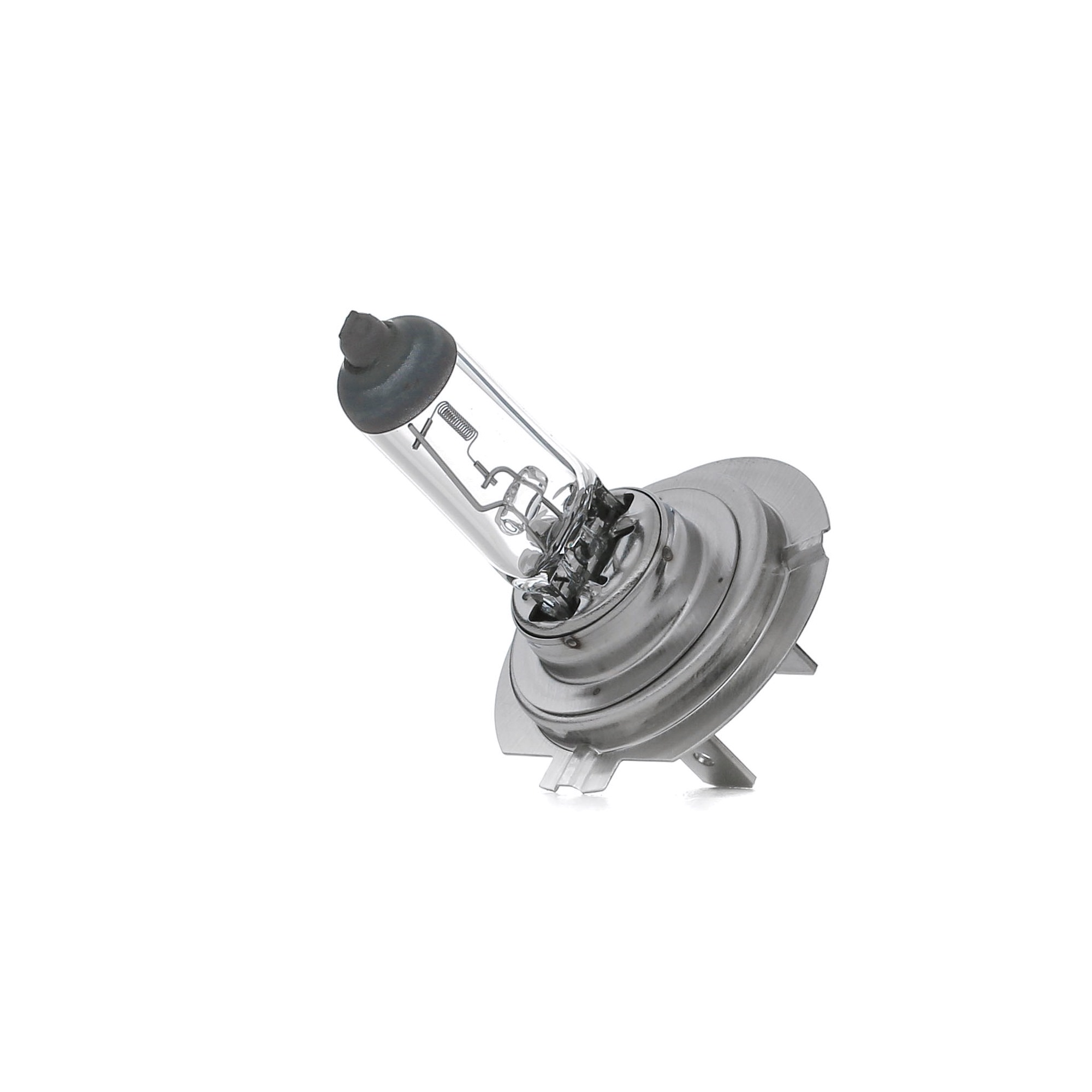
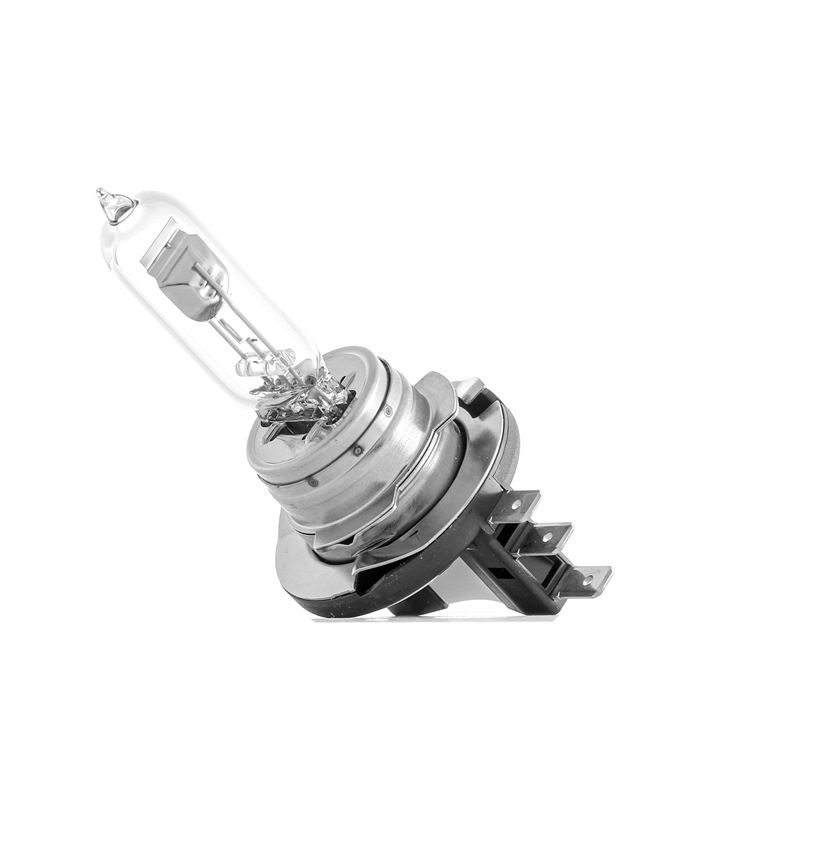
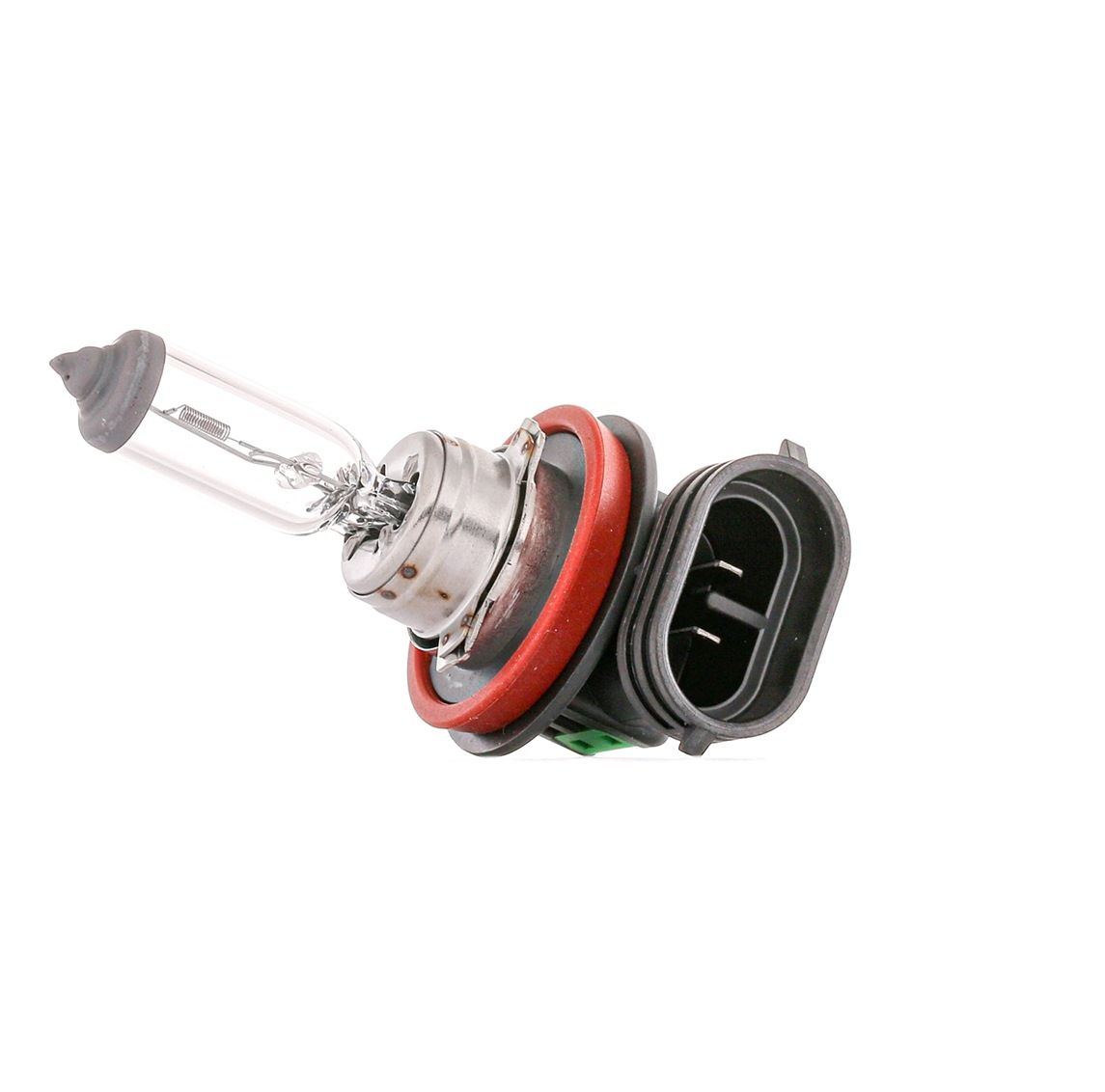
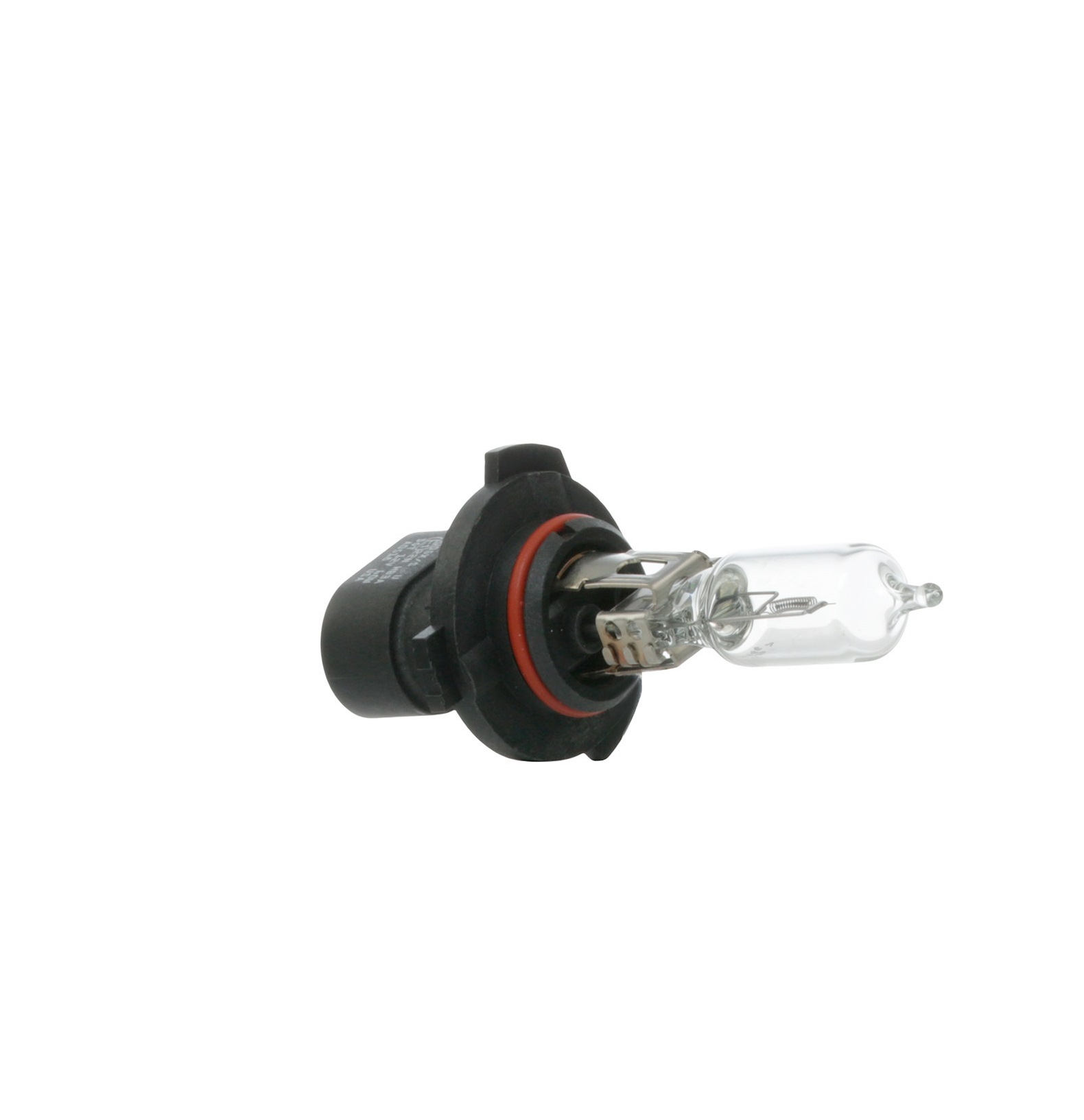
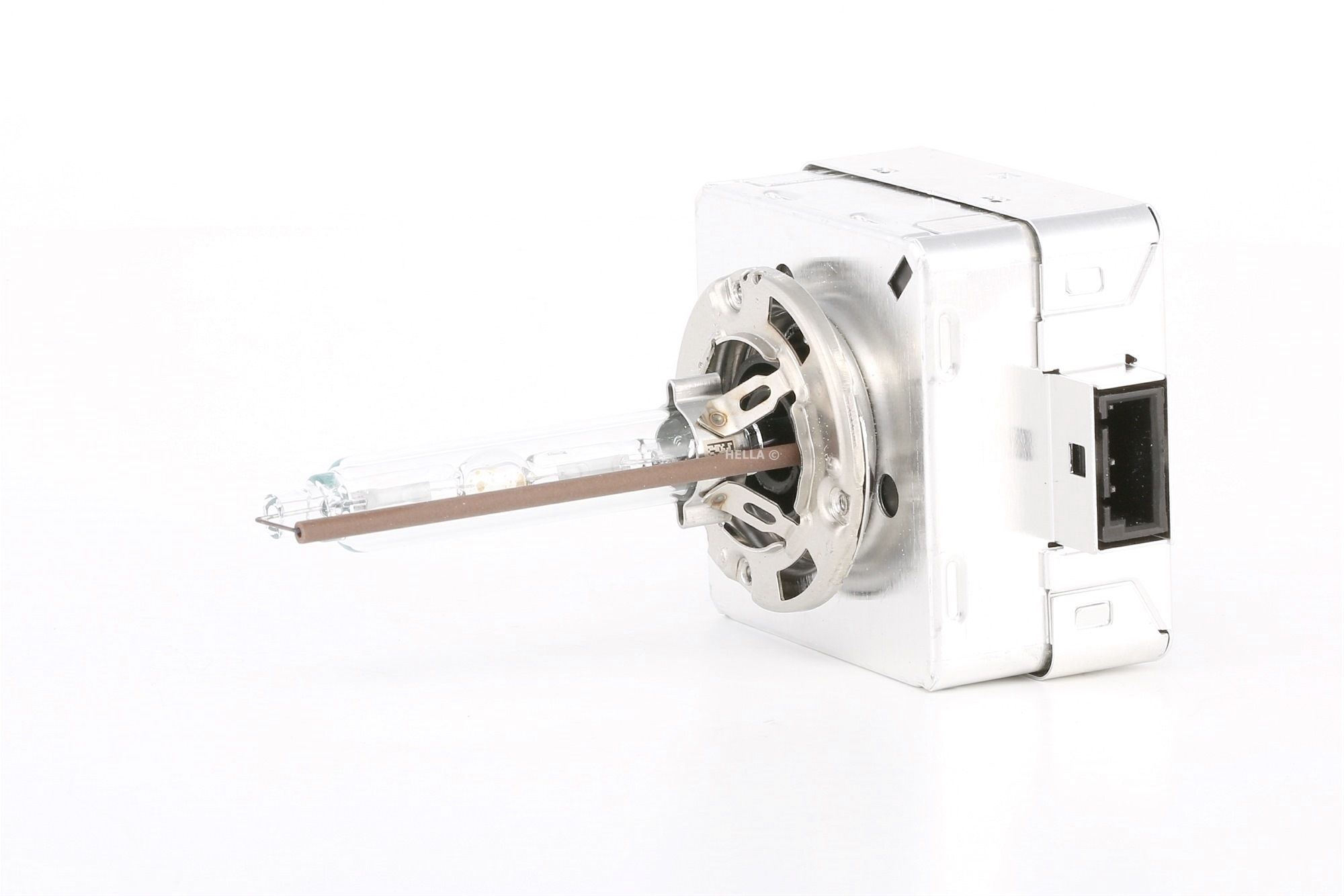
Headlight bulb LED and Xenon for car
Order cheap Headlight bulbs LED and Xenon
Low beam bulb: top brands
Headlight bulbs for leading car makes
Headlight bulbs for top car models
AUTODOC Bestsellers: Low beam bulb at a good price
The top-selling spare parts in the Headlight bulb category. Browse our huge wide range of high-quality car parts from top brands in the category Headlight bulb and others.
BOSCH 082034 High beam bulb
H7 12V 55W PX26d, 5000K, Halogen
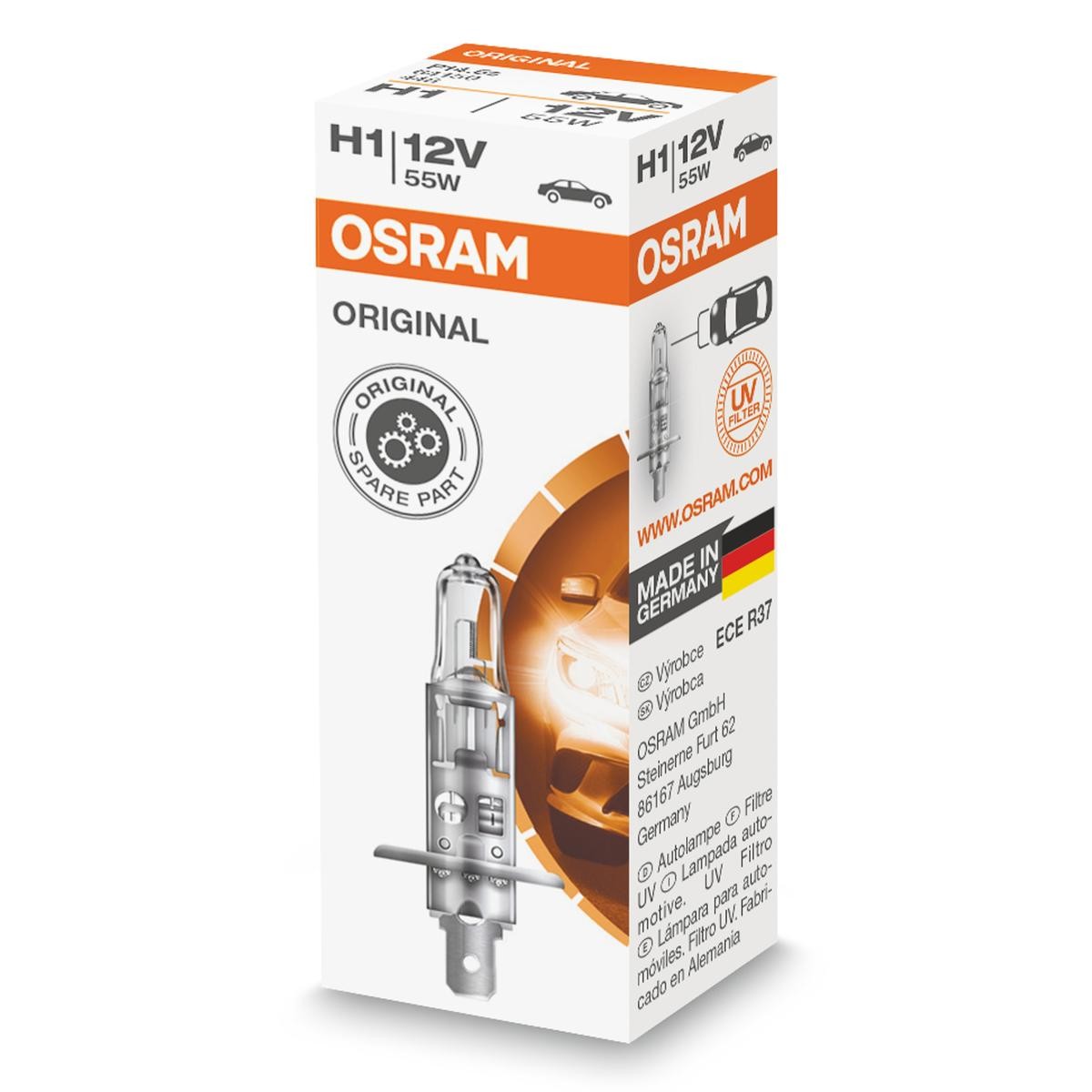
PHILIPS GOC 47516930 High beam bulb
H1 12V 55W P14.5s, 3200K, Halogen, Vision
BOSCH H4 High beam bulb
H4 12V 60/55W P43t, 4000K, Halogen
OSRAM H8 High beam bulb
H8 12V 35W PGJ19-1, 3200K, Halogen
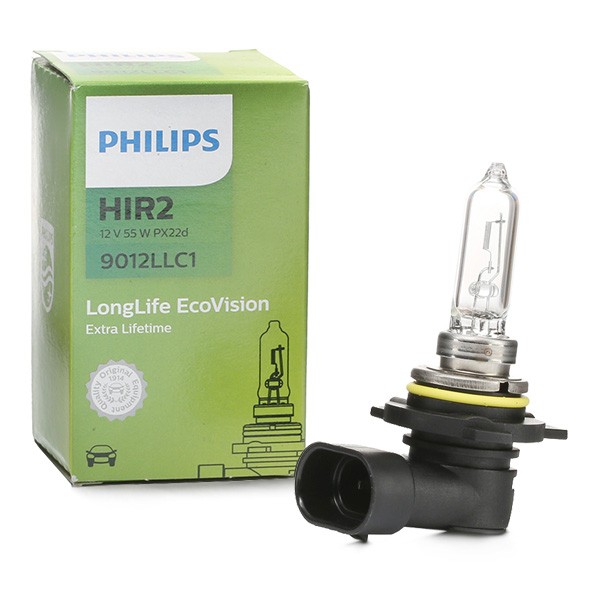
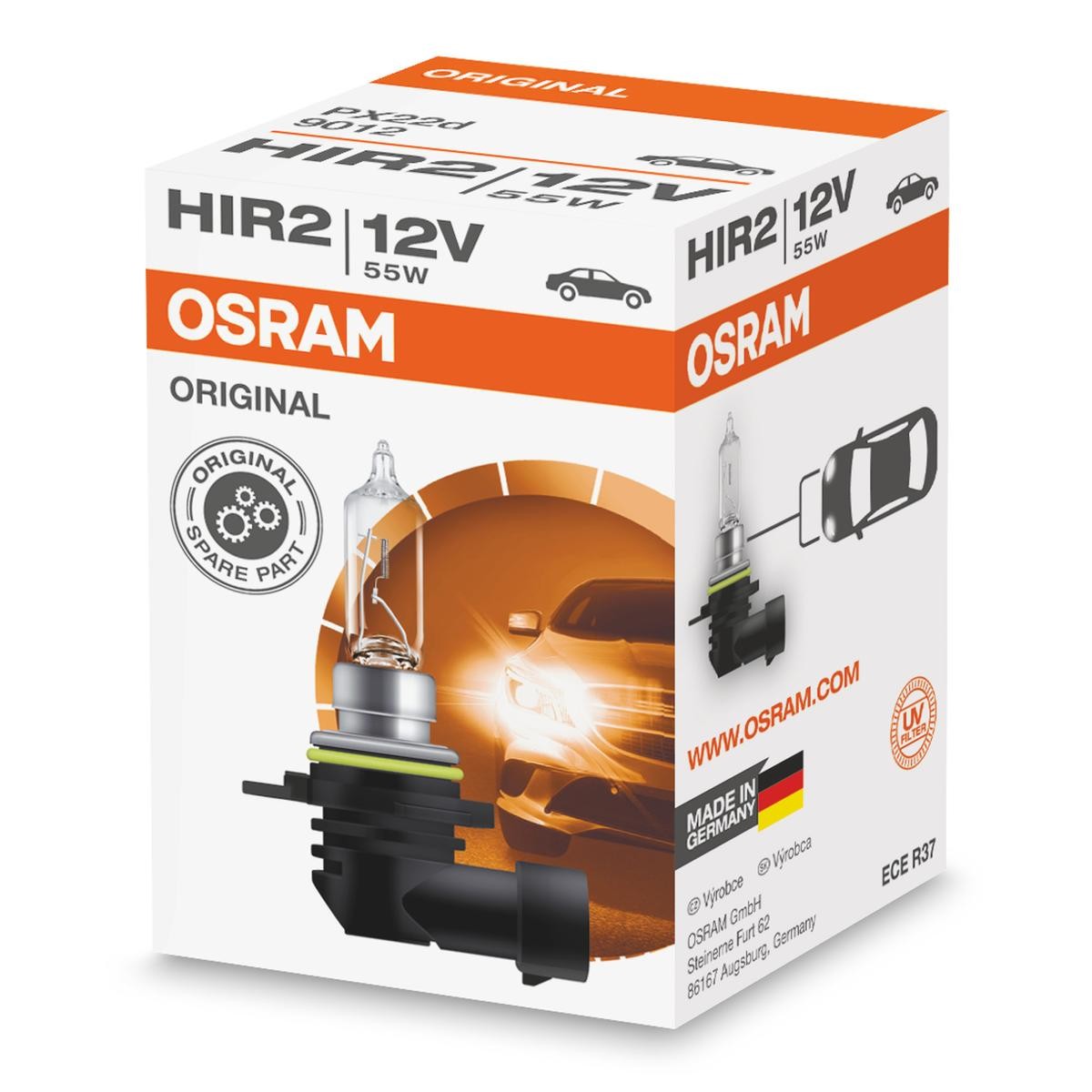
BOSCH E1 2VX High beam bulb
HIR2 12V 55W PX22d, Halogen
BOSCH H11 High beam bulb
H11 12V 55W PGJ19-2, 3200K, Halogen
BOSCH Blister 1pcs - 1 987 3 High beam bulb
HB3 12V 60W P20d, Halogen
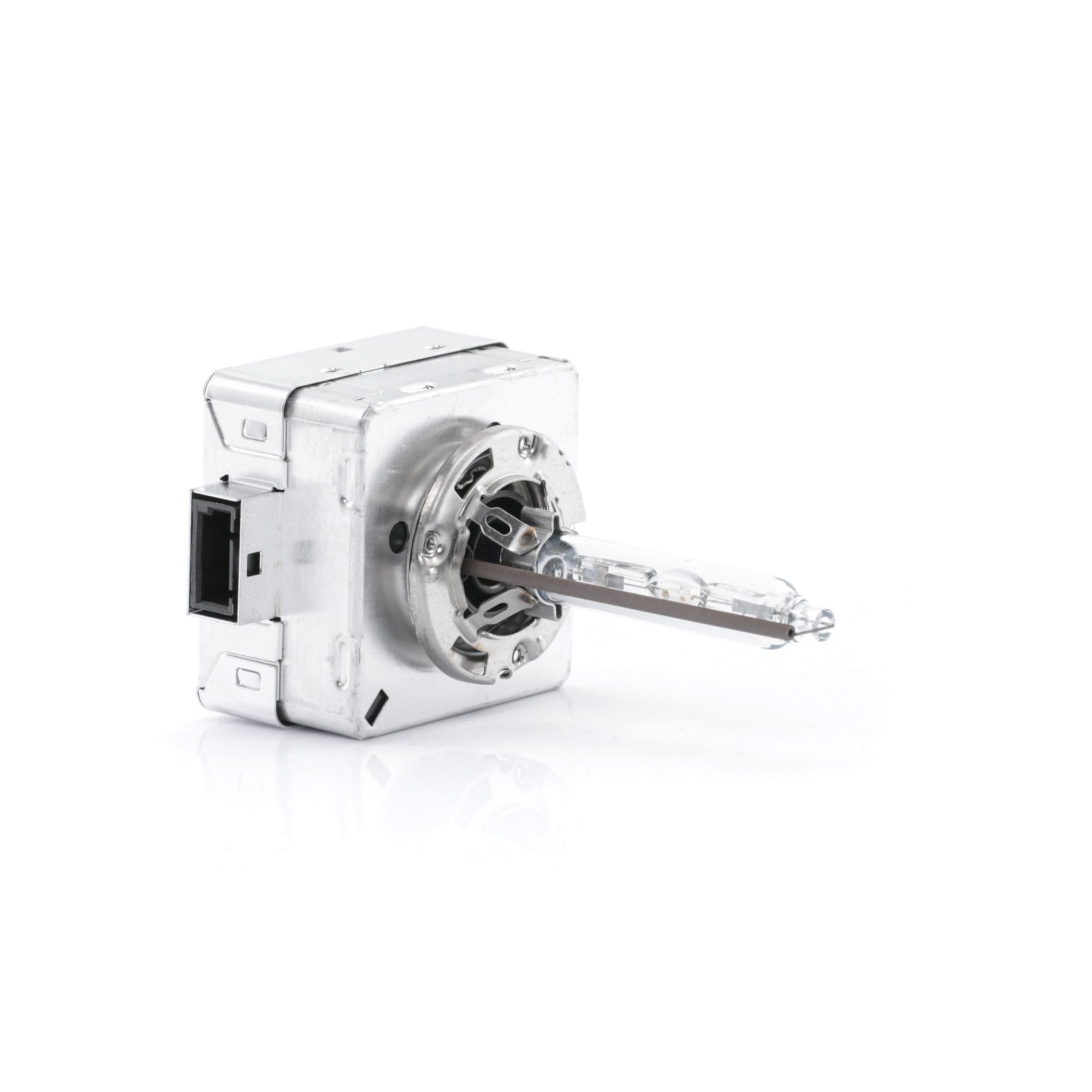
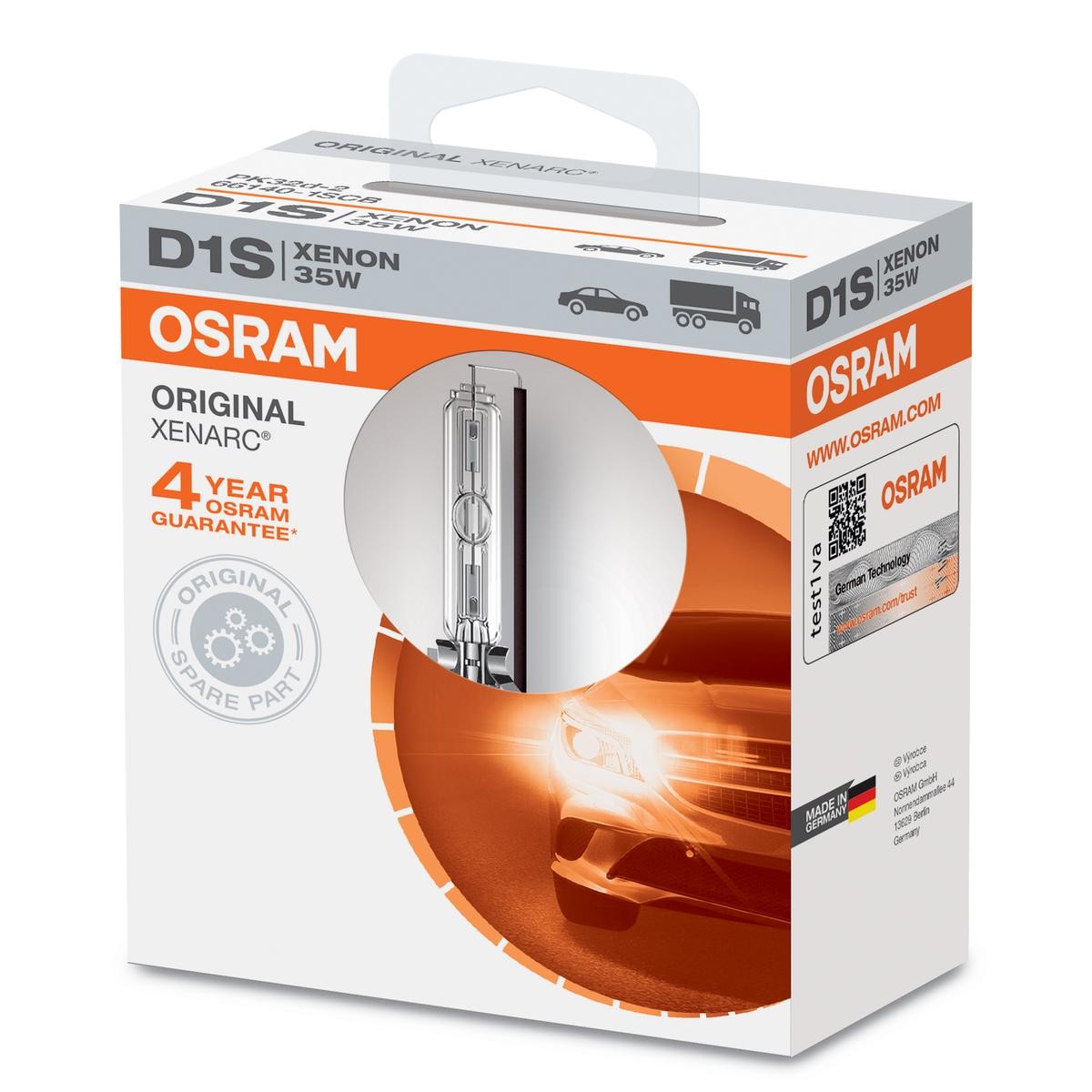
OSRAM D3S Xenon bulb
D3S, 42V, 35W, 4150K
OSRAM HB4 High beam bulb
HB4 12V 51W P22d, 3050K, Halogen
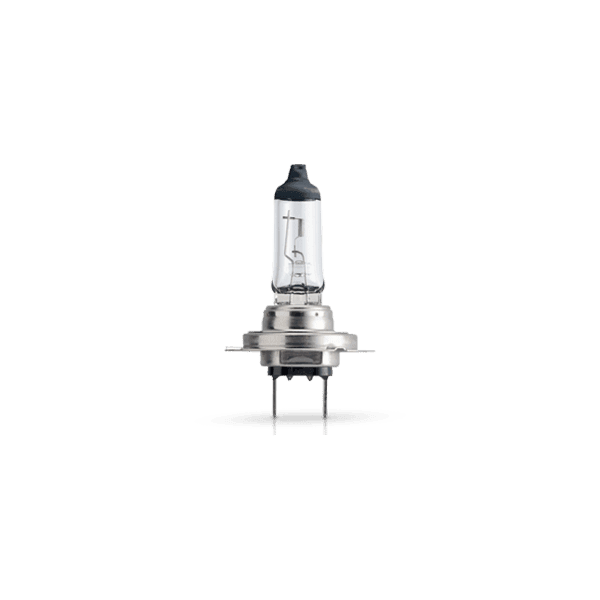
OSRAM H7 High beam bulb
H7 12V 55W PX26d, 4200K, Halogen, CLASSIC
Replacement of Headlight bulb: Video repair guide
Step by Step Video Tutorial for Do-it-yourself Auto Repair. Become an amateur mechanic with Autodoc.
| The bestselling products: | |||||
|---|---|---|---|---|---|
| 1 987 302 023 | 1 987 302 606 | 1 987 302 803 | 8GJ 004 173-121 | 8GH 007 157-121 | 12008C1 |
| For popular car brands: | |||||
| VW | MERCEDES-BENZ | BMW | AUDI | OPEL | FORD |
| Headlight bulb – technical details | |||||
| Lamp Type | Rated Power [W] | Block 1.5 [axle] | |||
| R2 (Bilux) | H4 | 45/40 | 60/55 | P45t-41 | P43t |
| S3 | H1 | 15 | 55 | P43t-38 | PX26d |
| H7 | HB3 | 60 | 35/35 | Px26d | P20d |
What are Headlight Bulbs?
There are two types of headlights: the dipped beams (low beams) and high beams. A dipped beam bulb is the primary light source for illuminating the road in darkness and low visibility conditions. Unlike the high beam, the dipped beam creates an asymmetric light pattern with a distinct cut-off line, which illuminates the road to a distance of 50–75 metres without dazzling oncoming drivers.
In contrast, high beams provide a powerful, symmetrical light intended to illuminate the road far ahead when no other vehicles are in sight. They are essential for spotting hazards at long distances but must be switched off when approaching or following others to avoid blinding them.
The bulbs are installed in the front headlamps and work in conjunction with the reflector and lens, which form the light beam. The bulb is a consumable component with an average service life of 500–3,000 hours depending on the technology used. Timely replacement is critical for road safety and compliance with German legislation requirements.
Dipped Beam System Operating Principle
The system operates by converting electrical energy into light. When the dipped beam is switched on, electric current from the battery flows through the relay and fuses to the headlight bulbs in the front headlamps.
Dipped Beam System Components
- Headlight bulb: light source consisting of halogen, xenon, or LED units.
- Reflector: focuses the light beam and directs it onto the road.
- Lens or diffuser: forms the cut-off line and distributes light.
- Headlamp leveling system: adjusts the light beam height depending on the vehicle load.
- Relay and fuses: protect the electrical circuit from overload.
- Light switch: allows the driver to control the lighting.
Cut-off Line
The dipped beam creates a precise cut-off line with an asymmetric pattern. The right side is raised to illuminate the shoulder and road signs, while the left side is lower to prevent dazzling oncoming traffic. When tested at a distance of 10 metres, as a general rule, the line should be positioned at a height of 1–1.2% of the distance to the wall.
The correct adjustment is verified during the technical inspection (TÜV). Incorrect adjustments can either dazzle oncoming drivers or result in insufficient road illumination.
Types of Headlight Bulbs
Modern vehicles use three main technologies: halogen bulbs (most common), xenon (premium segment), and LED (latest models).
Halogen Bulbs
The most widespread and affordable type. They operate by heating a tungsten filament enclosed in a halogen gas. The bulb is made of compact, high-temperature quartz or aluminosilicate glass to handle high pressures and temperatures without melting.
Characteristics:
- Luminous flux: 1,000–1,500 lumens
- Colour temperature: 3,000–3,500 K (yellowish-white light)
- Service life: 500–1,000 hours
- Voltage: 12V, power: 55W (standard H7)
- Price: EUR 5–30 per pair
Advantages:
- Low price and wide availability
- Simple replacement without special equipment
- Instant activation (no warm-up required)
Disadvantages:
- Short service life compared to xenon and LED
- High energy consumption (55W)
- Heats headlamp to high temperatures
- Brightness is reduced towards end of service life
Xenon (HID) Bulbs
These bulbs produce light through a high-voltage electric arc passing through xenon gas, resulting in significantly brighter, whiter illumination than traditional halogen bulbs.
Characteristics:
- Luminous flux: 3,000–3,500 lumens (2–3 times brighter than halogen)
- Colour temperature: 4,300–6,000 K (daylight white)
- Service life: 2,000–3,000 hours
- Voltage: 85V (requires ballast)
- Power: 35W
- Price: EUR 40–160 per kit (bulbs + ballast)
Advantages:
- 2–3 times brighter than halogen bulbs
- They last 2–3 times longer
- Lower energy consumption (35W instead of 55W)
- White light close to daylight = less eye fatigue
- Less headlamp heat generated
Disadvantages:
- Higher installation and replacement costs
- Requires ballast and headlamp washer system
- Activation delay: 2–3 seconds warm-up time
- Complex replacement, requires specialist technician
- Ballast can fail (replacement cost: EUR 80–300)
LED Bulbs
The latest technology uses light-emitting diodes for maximum brightness, longevity, and energy efficiency.
Characteristics:
- Luminous flux: 1,500–4,000 lumens
- Colour temperature: 5,000–6,500 K (cool white light)
- Service life: 10,000–30,000 hours
- Voltage: 12V, power: 15–25W
- Price:80–300 EUR per kit
Advantages:
- Maximum service life – 10–30 times longer than halogen
- Minimum energy consumption (15–25W)
- Instant activation to full brightness
- Minimum headlamp heat
- High brightness and contrast
Disadvantages:
- High price
- Installation complexity
- Not all LED bulbs are certified for use on public roads
- When installed in headlamps not designed for LED, may dazzle oncoming drivers
IMPORTANT: only LED bulbs with an ECE mark and ABG approval for the specific vehicle headlight model are legal.
Comparison of Headlight Bulb Technologies
This table provides a technical comparison of the three primary lighting technologies used in modern vehicles based on their performance and cost.
| Feature | Halogen Bulbs | Xenon (HID) Bulbs | LED Bulbs |
|---|---|---|---|
| Luminous flux | 1,000–1,500 lumens | 3,000–3,500 lumens | 1,500–4,000 lumens |
| Colour temperature | 3,000–3,500 K (yellowish-white) | 4,300–6,000 K (daylight white) | 5,000–6,500 K (cool white) |
| Service life | 500–1,000 hours | 2,000–3,000 hours | 10,000–30,000 hours |
| Power consumption | High (55W) | Medium (35W) | Low (15–25W) |
| Price in Germany | €5–30 per pair | €40–€160 | €80–300 per kit |
| Activation time | Instant | 2–3 second delay (warm-up) | Instant |
| Replacement | Simple (DIY possible) | Complex (requires workshop) | Complex (installation requirements) |
Key Operational Insights
- Halogen: this remains the most affordable and widely available option, though it has the shortest lifespan and highest energy consumption. It also heats the headlamp to higher temperatures than other technologies.
- Xenon (HID): these bulbs are significantly brighter than halogen ones and offer a white light closer to natural daylight, which reduces eye strain. However, they require a ballast and, by law, a headlamp washer system.
- LED: offering the highest longevity and energy efficiency, LEDs can potentially last the lifetime of the vehicle. While they provide high contrast, it is important to note that replacing halogen bulbs with LEDs in non-designed headlamps is generally prohibited under StVZO unless the bulbs have specific ECE marking and model approval.
Headlight Bulb Base (Socket) Types
Headlight bulbs are produced with various base/socket types. The base type determines how the bulb is installed in the headlamp and is not interchangeable.
H7 — Most Common
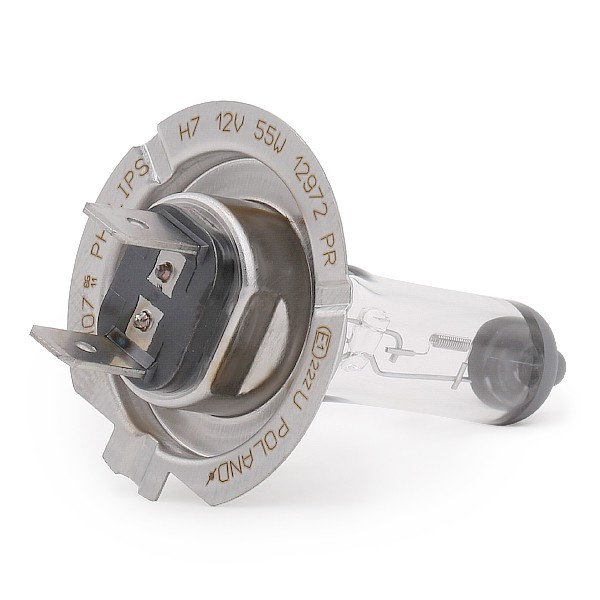
Single-filament bulb with a PX26d base. Used in most modern vehicles for separate dipped and main beams.
Characteristics:
- Power: 55W (halogen)
- Voltage: 12V
- Luminous flux: 1,500 ± 10% lumens
- Application: Most European vehicles built from 2000s onwards
Vehicle model compatibility with H7: VW Golf 5/6/7, Audi A3/A4, BMW 1/3 Series, Mercedes C/E-Class, Ford Focus, Opel Astra/Corsa
H4 — One Bulb, Two Filaments
Dual-filament bulb with a P43t cap, containing two filaments – one for the dipped headlight and one for the main beam. Used in older and budget models.
Characteristics:
- Power: 55W (dipped beam) / 60W (main beam)
- Voltage: 12V
- Luminous flux: 1,000 lumens (dipped) / 1,650 lumens (main)
- Application: Compact and budget vehicles
Vehicle model compatibility with H4: VW Polo 9N, Skoda Fabia, Seat Ibiza, Ford Fiesta (older models), Toyota Yaris
H1 — Compact Bulb
Single-filament bulb with a P14.5s cap. Its compact size makes it suitable for small headlights.
Characteristics:
- Power: 55W
- Voltage: 12V
- Luminous flux: 1,350 lumens
- Application: Some Mercedes, Renault, Peugeot models
Vehicle model compatibility with H1: Mercedes W203/W211, Renault Clio 3, Opel Astra H (some variants). Rarely used as the main headlamp today.
H11 — Modern Bulb
Single-filament bulb with a PGJ19-2 cap. Frequently used in newer vehicle models.
Characteristics:
- Power: 55W
- Voltage: 12V
- Luminous flux: 1350 ± 10% lumens
- Application: Modern Japanese and Korean vehicle models
Vehicle model compatibility with H11: Hyundai i30/Tucson, Kia Ceed/Sportage, Toyota Auris/RAV4, Mazda 3/6. Commonly used for fog lamps.
Other Base Types
- H3: Fog lamps, some older models
- H15: Daytime running lights + high beams (VW, Audi new models)
- HB3 (9005): American vehicles
- HB4 (9006): American vehicles
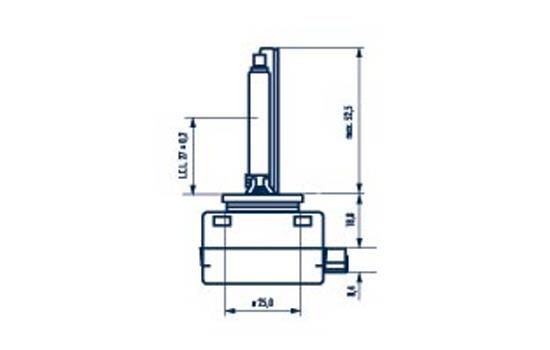
- D1S, D2S, D3S, D4S: Xenon bulbs for projector headlamps
How to determine the base type:
- Check the markings on the old bulb
- Use online parts catalogues and search using the vehicle’s VIN
- Consult your vehicle owner's manual
- Seek advice from a specialist retailer
Service Life and Causes of Failure
The service life of headlight bulbs depends on the technology, manufacturing quality, and operating conditions.
Average Service Life by Technology
| Technology | Service Life (hours) | Service Life (km)* | Service Life (years)** |
|---|---|---|---|
| Halogen | 500–1,000 | 25,000–50,000 | 2–3 |
| Xenon (HID) | 2,000–3,000 | 100,000–150,000 | 5–7 |
| LED | 10,000–30,000 | 500,000+ | 10–15 (vehicle lifetime) |
* At average speed 50 km/h and light usage 50% of time ** With an average annual mileage of 15,000 km
Factors Affecting Service Life
Operating conditions:
- Switching frequency: each activation subjects a halogen bulb to "Inrush Current", which is a massive electrical spike that occurs because a cold filament has very low resistance. While it doesn't literally "subtract hours" from the clock, this thermal shock can cause filament failure.
- Vibrations: poor road quality and a worn suspension may lead to filament damage.
- Voltage fluctuations: alternator or battery faults can shorten the bulb’s service life by 30–50%.
- Moisture: if water gets into the headlamp, this leads to contact corrosion and short circuits.
- Temperature: overheating (poor ventilation, dirt) significantly shortens the service life of halogen bulbs.
Bulb quality:
- Budget no-name bulbs typically last 150–400 hours
- Quality brands (Osram, Philips, Bosch) – 450–700 hrs
- Premium series (Osram Night Breaker, Philips X-treme Vision) – 200–400 hrs (higher brightness, but shorter life)
Wear Signs and Replacement Requirements
Visual signs:
- Discolouration of the glass (milky, brown, or black deposits)
- Visible filament damage
- Cracks
- Corrosion on cap contacts
Operational signs:
- A noticeable reduction in brightness
- Yellowish tint instead of white (for halogen)
- Flickering or flashing light
- One headlamp noticeably dimmer than the other
- Complete bulb failure
Replace headlight bulbs in pairs (both front lamps simultaneously), even if only one has failed. This ensures even illumination and avoids repeat replacements after a short amount of time.
Headlight Bulb Replacement Instructions
In most cases, a standard halogen bulb replacement takes 10–20 minutes. This process requires new headlight bulbs, a work torch, and clean protective gloves.
Safety Precautions
Only perform work with the ignition switched off and when the headlamps have cooled. Never touch the quartz glass of a halogen bulb with your bare hands. The oils from your skin can create 'hot spots' that cause the glass to overheat and shatter shortly after installation. If you do come into contact with the bulb, clean it with an alcohol-based wipe before fitting.
Procedure
The procedure below is just a general guideline. Check your vehicle owner’s manual for specific instructions and diagrams for your vehicle model.
- Access: open the bonnet and remove the protective cover or dust boot from the back of the headlamp. In some models, you may need to remove the washer reservoir or detach the battery.
- Removal: disconnect the light’s electrical connector and release the retainer (spring clip, twist mechanism, or catch). Carefully extract the old bulb by the cap.
- Installation: clean the connector to remove dust (using specialised electronic spray), insert the new headlight bulb into the reflector, and secure it with the retainer. Connect the power and reinstall the protective dust boot/cover.
- Verification: switch on the dipped beam and make sure that both headlamps work properly.
Replacement Specifics by Bulb Type
- Halogen (H1, H4, H7): optimal for DIY replacements, requiring no special equipment.
- Xenon (D1S, D2S): due to the high electrical demands, a professional replacement is recommended.
- LED: factory-fitted headlights are usually non-serviceable, i.e. the whole headlight assembly will need to be replaced. Certified retrofit bulbs can be installed in a similar way to halogen bulbs.
Difficult Cases in German Market
In some popular models, bulb access is extremely limited, requiring professional attention:
- VW Passat B6/B7, Audi A4 B8: often requires partial bumper removal or access through wheel arch.
- BMW 1 Series (E87, F20): replacement performed through special hatch in wheel arch liner.
- Mercedes C-Class (W204): access requires battery removal (right) or washer reservoir (left).
- Ford Mondeo MK4: due to tight design, professional installation recommended (average cost EUR 40–100).
After an installation, always check the light beam alignment to avoid dazzling oncoming drivers.
Headlight Bulb and Replacement Costs in Germany
Headlight bulb and replacement service costs depend on technology, brand, and vehicle model.
Bulb Prices by Type and Brand
Prices shown indicate the cost per pair of bulbs. Replacing the lamps in pairs is recommended to ensure even light output and to avoid a second failure shortly after the first.
| Bulb type | Budget (pair), EUR | Mid-range (pair), EUR | Premium (pair), EUR | Service life (hours) |
|---|---|---|---|---|
| Halogen H7 standard | 5–15 | 15–30 | 30–60 | 500–1000 |
| Halogen H7 +30% brightness | — | 20–40 | 40–70 | 500–700 |
| Halogen H7 +50% brightness | — | — | 50–90 | 400–600 |
| Halogen H4 standard | 5–12 | 12–25 | 25–50 | 500–1000 |
| Halogen H1 standard | 5–12 | 12–25 | 25–50 | 500–1000 |
| Halogen H11 standard | 8–15 | 15–30 | 30–60 | 500–1000 |
| Xenon D1S | — | 50–100 | 100–200 | 2000–3000 |
| Xenon D2S | — | 40–80 | 80–180 | 2000–3000 |
| LED H7 (retrofit) | — | 60–120 | 120–300 | 10,000–30,000 |
Workshop Replacement Service Costs
| Service | Independent garage, EUR | Official dealer, EUR | Labour time |
|---|---|---|---|
| Halogen bulb replacement (simple access) | 10–25 | 25–50 | 10–20 min |
| Halogen bulb replacement (difficult access) | 30–60 | 60–120 | 30–60 min |
| Xenon bulb replacement | 30–80+ | 80–150+ | 20–40 min |
| Xenon ballast replacement | 50–120+ | 120–250+ | 30–60 min |
| Headlamp beam adjustment | 20–50 | 50–100 | 15–30 min |
| Complete LED headlamp replacement | 100–200+ | 200–400+ | 1–2 hours |
Cost-Influencing Factors
- Brand Reputation: premium brands like Osram and Philips typically cost 30-50% more than "own-brand" or budget alternatives but offer superior beam patterns and longevity.
- Technology: Xenon (HID) systems are much more expensive to service than halogen, while complete LED matrix units are the most costly, often requiring a total unit replacement if they fail.
- Replacement accessibility: complex vehicles (Audi, BMW) require more time
- Region: in major cities (Munich, Frankfurt), labour rates are typically 10–20% higher
- Workshop type: official dealers are generally 1.5–2 times more expensive than independent garages
Best Headlight Bulb Brands
The aftermarket features numerous headlight bulb manufacturers. The choice of brand directly affects brightness, longevity, and operating costs.
| Brand | Country | H7 price (pair), EUR | Feature |
|---|---|---|---|
| Osram | Germany | 4–50+ | OEM for BMW/Mercedes/VW, market leader, Night Breaker series (+130% brightness) |
| Philips | Netherlands | 12–35+ | OEM for most manufacturers, X-treme Vision series (+130%), Racing Vision (+150%) |
| Bosch | Germany | 10–50 | Reliable quality, price/service life balance, Plus 90 series (+90% brightness) |
| Hella | Germany | 12–60 | OEM for European manufacturers, wide range |
| GE (General Electric) | USA | 8–40 | Affordable prices, good quality, MegaLight series (+50%) |
| Narva | Germany | 10–35 | Budget brand, basic quality |
| Ring Automotive | United Kingdom | 6–30 | Affordable prices, basic characteristics |
| Neolux (Osram brand) | Germany | 5–30 | Osram budget range, good value for money |
Best Performers in Different Conditions
Urban traffic and short journeys: standard H7 halogen bulbs from Bosch or Narva are optimal. They provide the best balance between affordability and durability with frequent headlamp activation.
Driving on the Autobahn after dark: for safety at high speeds, choose product lines with increased light output, such as the Osram Night Breaker or Philips X-treme Vision. They increase your visibility to up to 150 metres, enabling earlier obstacle detection.
Vibrations and rough surfaces: when frequently driving on poor roads, Long Life series headlight bulbs recommended (e.g. Osram Ultra Life). Their reinforced filament design resists vibration and lasts three times longer than standard equivalents.
Difficult weather conditions: in regions with frequent rain and fog, the standard warm colour spectrum (3200K–3500K) works more effectively. Unlike cool white light, it scatters less in water droplets and does not create a "glare curtain" before the driver.
Maximum longevity: certified LED retrofit kits from Osram or Philips offer a good solution for those who want the bulbs to last the vehicle’s lifetime. Before purchasing, always check for ABG approval for your specific vehicle model.
Decoding Bulb Markings
Markings on headlight bulbs and packaging contain important information about the product characteristics and certification.
Marking example: H7 12V 55W ECE R37 E1
- H7 — bulb base type (H1, H4, H7, H11, D2S, etc.)
- 12V — operating voltage (standard for passenger cars)
- 55W — power consumption (standard for halogen H7)
- ECE R37 — compliance with European safety standard for filament lamps
- E1 — certification country code (E1 = Germany, E2 = France, E9 = Spain, etc.)
Additional packaging markings:
- +30%, +50%, +130% — percentage increase in brightness compared to a standard bulb
- 3,200K, 4,300K, 6,000K — light colour temperature in Kelvin (higher = whiter/bluer light)
- 1500 lm — luminous flux in lumens (higher = brighter)
- Long Life, Ultra Life — extended service life
- Night Breaker, X-treme Vision — increased brightness series
Colour temperature and practical application:
- 3,000–3,500K (yellowish-white) — standard halogen, better in rain and fog
- 4,300–5,000K (neutral white) — xenon, universal conditions
- 5,000–6,000K (cool white) — xenon and LED, maximum contrast
- 6,000K+ (bluish) — undesirable, worse visibility in adverse weather, may not pass TÜV
German Legislation
Germany has strict legislation regulating headlight bulb use and technical conditions. Non-compliance results in fines, driving bans, and TÜV inspection problems.
StVZO (Straßenverkehrs-Zulassungs-Ordnung) Requirements
50 StVZO — Lighting equipment requirements:
- Dipped beams are mandatory for all vehicles
- Must provide road illumination for a minimum distance of 40 metres
- Cut-off line must be clearly defined
- Both headlamps must function properly
- Headlight bulbs must have an ECE certification (E mark with country number)
17 StVO — When to activate dipped beam:
- Mandatory in poor visibility: dusk, fog, rain, snowfall
- Mandatory in tunnels — even if the tunnel is well-lit
- During darkness — during dawn, dusk, night time, or when visibility requires.
- Daytime: permitted but not mandatory (daytime running lights are normally sufficient)
TÜV Headlight Bulb Requirements
During the technical inspection (TÜV, every 2 years), the headlights are checked for the following:
Functionality:
- Both dipped beam bulbs must function properly
- No flickering or flashing
- Both headlamps should have around the same brightness
Beam adjustment:
- Cut-off line must be clearly defined
- Light beam height: as a general rule, it should be around 1–1.2% of the distance to the wall (e.g. at 10 m distance, line should be 10–12 cm below the headlamp height)
- Beam asymmetry: right side is typically 15 cm higher than left (for right-hand traffic)
Compliance requirements:
- Headlight bulbs must have an ECE mark (E1, E9, etc.)
- The bulb type must match the headlamp approval (e.g. LEDs only permitted in headlamps with corresponding approval)
- Light colour: blue, red, and coloured bulbs are prohibited
Failure consequences:
- Substantial defects include: faulty bulbs, incorrect adjustment, missing ECE certification/mark
- Vehicle will not receive a TÜV certificate
- Remedy period: 4 weeks before the vehicle requires a re-inspection
- Operating fine: EUR 15–60depending on violation severity
Violation Fines
| Violation | Fine, EUR | Flensburg Points |
|---|---|---|
| Driving with one faulty dipped beam headlamp | 10 | — |
| Driving without dipped beam in tunnel | 10 | — |
| Driving without lights in poor visibility | 25 | — |
| Driving with both faulty headlamps | 60 | 1 |
| Dazzling oncoming drivers (incorrect adjustment) | 20 | — |
| Installing uncertified (without ECE) bulbs | 50 | — |
| Installing coloured (blue, red) bulbs | 90 + licence revocation | 1 |
LED Bulb Legality in Germany
LED retrofit kit (halogen to LED replacement):
- Prohibited by default: replacing halogen bulbs with LED in headlamps not designed for LEDs is prohibited under the StVZO
- Exception: LED bulbs with ECE markings and special ABG approval for the specific headlamp model
- TÜV inspection: a vehicle with uncertified LEDs will not pass the technical inspection
- Fine: 50 EUR + requirement to restore halogen bulbs
- Accident risk: insurance companies may refuse to pay out due to StVZO non-compliance
Legal LED retrofit:
- Osram LEDriving HL with ECE approval for H7
- Philips Ultinon Pro6000 with ECE approval
- Cost: 120–200 EUR per pair
- Check compatibility with your headlamp model before purchasing
Licht-Test Campaign
Every October, Germany runs the Licht-Test (light test) campaign. During this period, most certified workshops, as well as TÜV and DEKRA test centres, conduct lighting system diagnostics free of charge (or for a nominal fee).
- What is checked: headlight bulb functionality, levelling systems, and cut-off line accuracy (Hell-Dunkel-Grenze).
- Why it matters: Correct adjustment prevents dazzling oncoming drivers and ensures vehicle winter readiness.
- Result: after the inspection, a Licht-Test Plakette (light test sticker) is fixed to the windscreen. Police officers view having the sticker on your car as a good sign during roadside checks after dark.
Frequently Asked Questions
How do I determine which bulb type my vehicle needs?
The base/cap type is indicated on the old bulb or in the vehicle owner's manual. You can also find suitable models in our online catalogue by entering your VIN number or HSN/TSN codes from vehicle registration documents.
Can I replace just one headlight bulb if it has failed?
Replacing the light bulbs in pairs is strongly recommended as they have the same estimated service life and the second component usually fails soon after the first. Additionally, installing only one bulb creates a dangerous imbalance in brightness and tint.
Why did the new headlight bulb fail too quickly?
The main cause is touching glass envelopes with bare hands, as grease marks cause localised overheating and glass destruction. Service life is also affected by mains voltage surges or headlamp housing seal failure.
Can I drive in Germany with one faulty headlamp?
Driving at night or when required without a working dipped beam is not permitted. Defects usually result in a warning fine (typically €20) and a TÜV fail. You must have properly working headlights at all times.
Are brighter headlight bulbs permitted in standard headlamps?
You may use certified series like Osram Night Breaker if their power corresponds to standard 55 W for H7 cap. Installing 100 W bulbs is prohibited under StVZO, as they dazzle drivers and may damage wiring.
Which is better: halogen, xenon, or LED?
Halogen is the simplest and most budget solution, whilst xenon provides three times more powerful light output. LED bulbs are most durable, however their installation instead of standard halogen requires special certification.
Can halogen bulbs be legally replaced with LEDs in Germany?
This is permitted only when using models with ABG approval, such as Osram Night Breaker LED, for specific vehicle models. Using uncertified LEDs results in a 50 euro fine and insurance problems in accidents.
Must dipped beams be activated during daytime on German roads?
In clear weather, daytime running lights (DRL) are sufficient, but dipped beams are mandatory in tunnels and poor visibility conditions. Note that neighbouring EU countries may have stricter rules requiring round-the-clock headlamp activation.
Which colour temperature is safest for driving?
Optimal choice is 4300–5000 K range, providing neutral white light close to daylight. Bulbs exceeding 6000 K have a blue tint, which illuminates wet roads poorly and may not pass TÜV inspection.
How often must headlight bulbs be replaced?
Halogen bulbs recommended for renewal every two years, whilst xenon — once every five years to maintain factory brightness. Quality LED modules are usually designed for vehicle lifetime and require no regular replacement.
Confidence in online shopping! You can return headlight bulb without explanation within 200 days after purchase and get your money back. How? Just use the Safe Order service on the checkout page. The service cost is only 2,99 €.
Each order from 120,00 € value of goods, include free shipping within Germany.
*Does not apply to large-size auto parts.