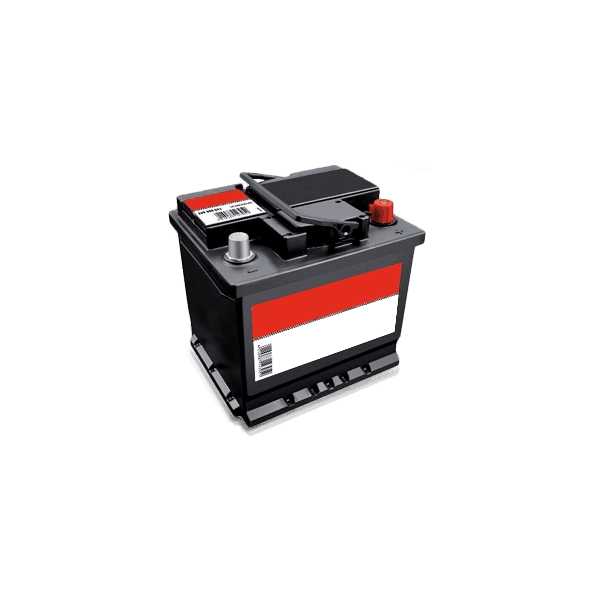
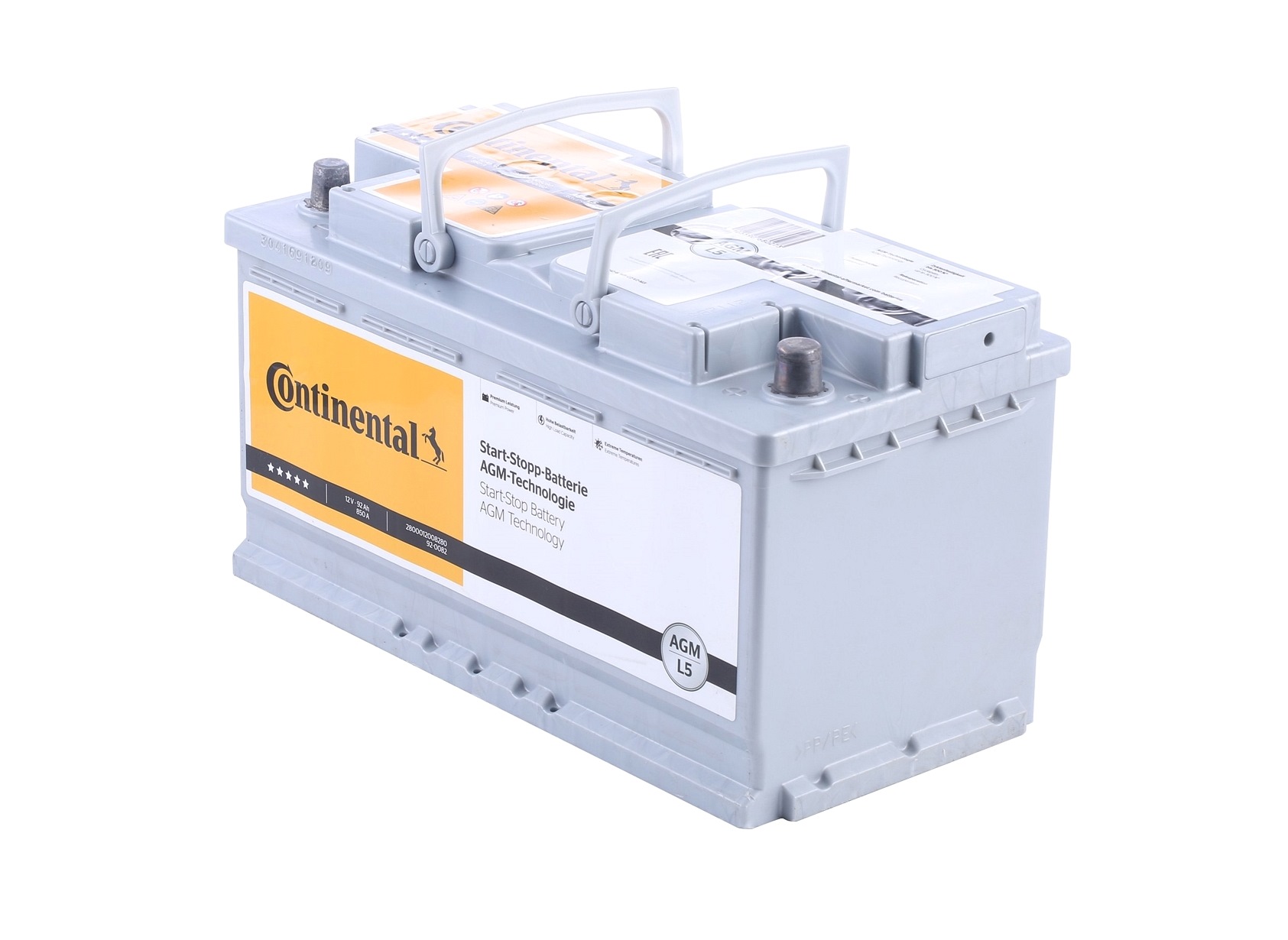
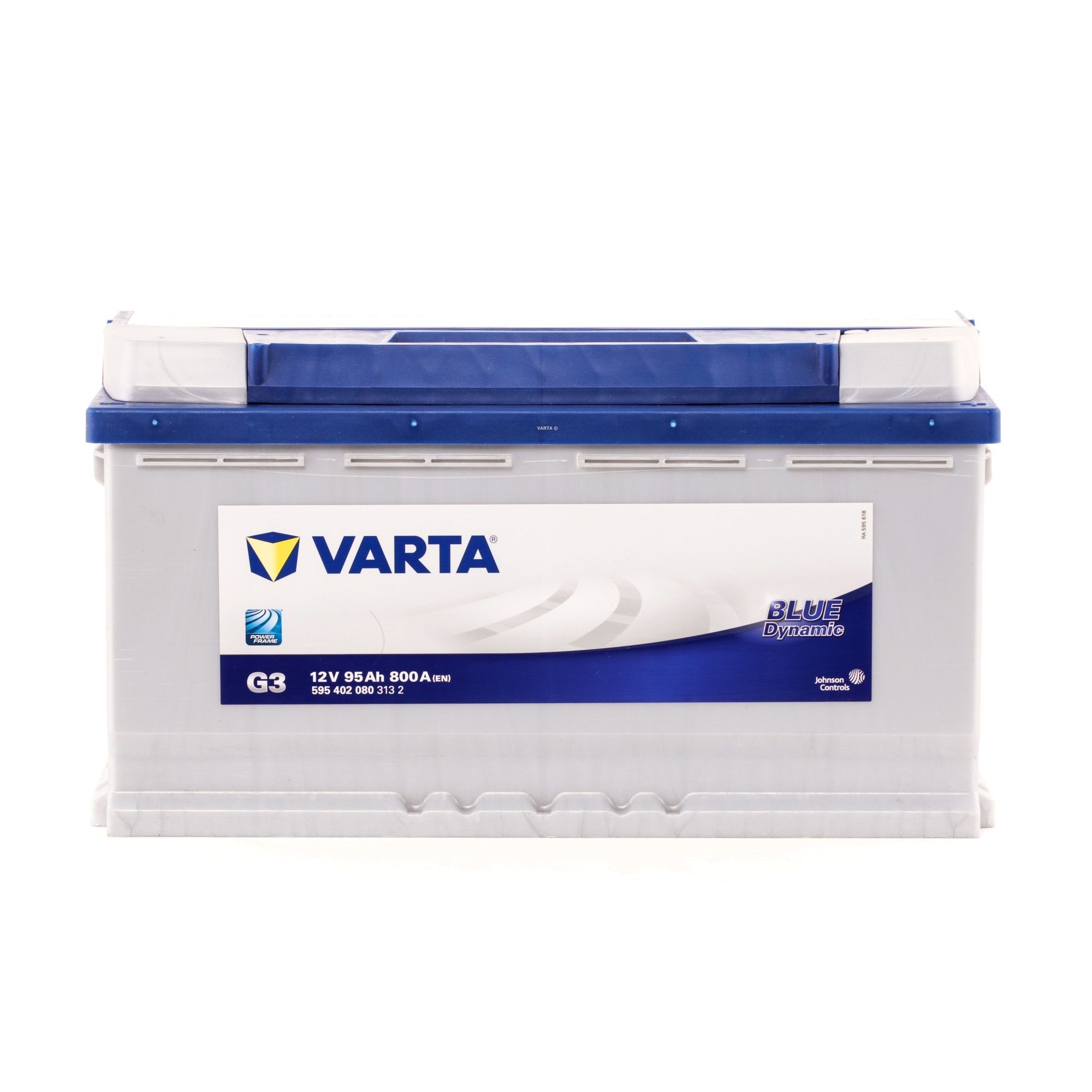
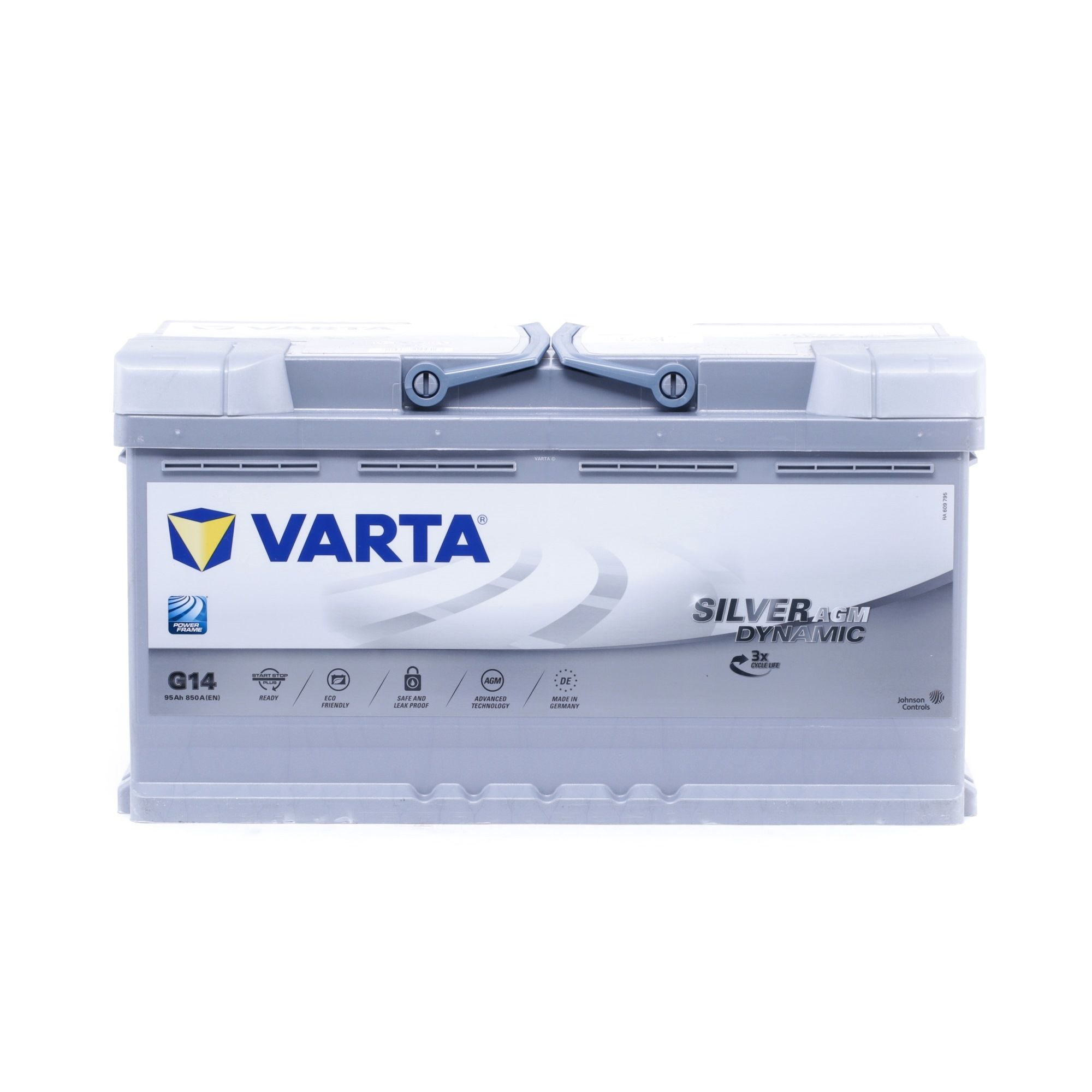
Battery AGM, EFB, GEL for car
Order Car battery AGM, EFB, GEL at a fair price
Stop start battery: top brands
Car battery for leading car makes
Car battery for top car models
AUTODOC Bestsellers: Stop start battery at a good price
View bestsellersThe top-selling spare parts in the Battery category. Browse our huge wide range of high-quality car parts from top brands in the category Battery and others.
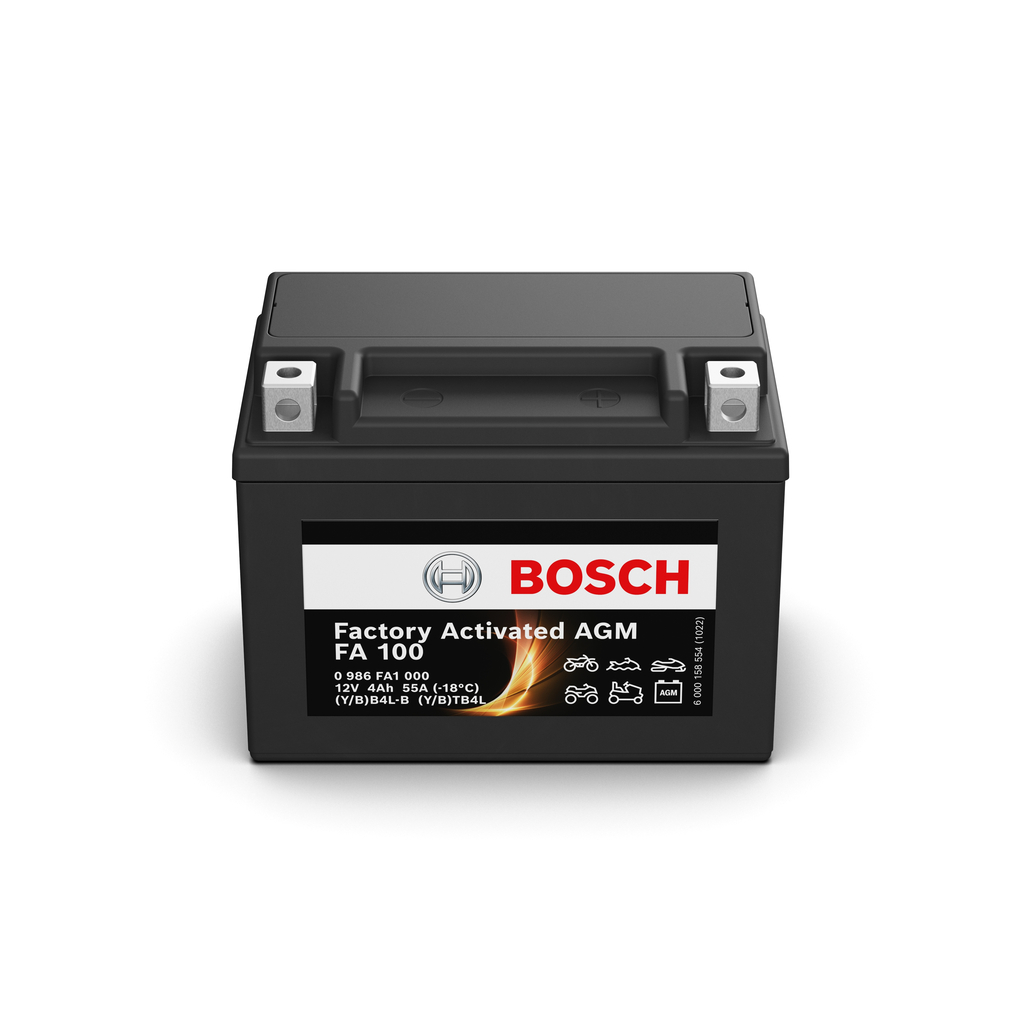
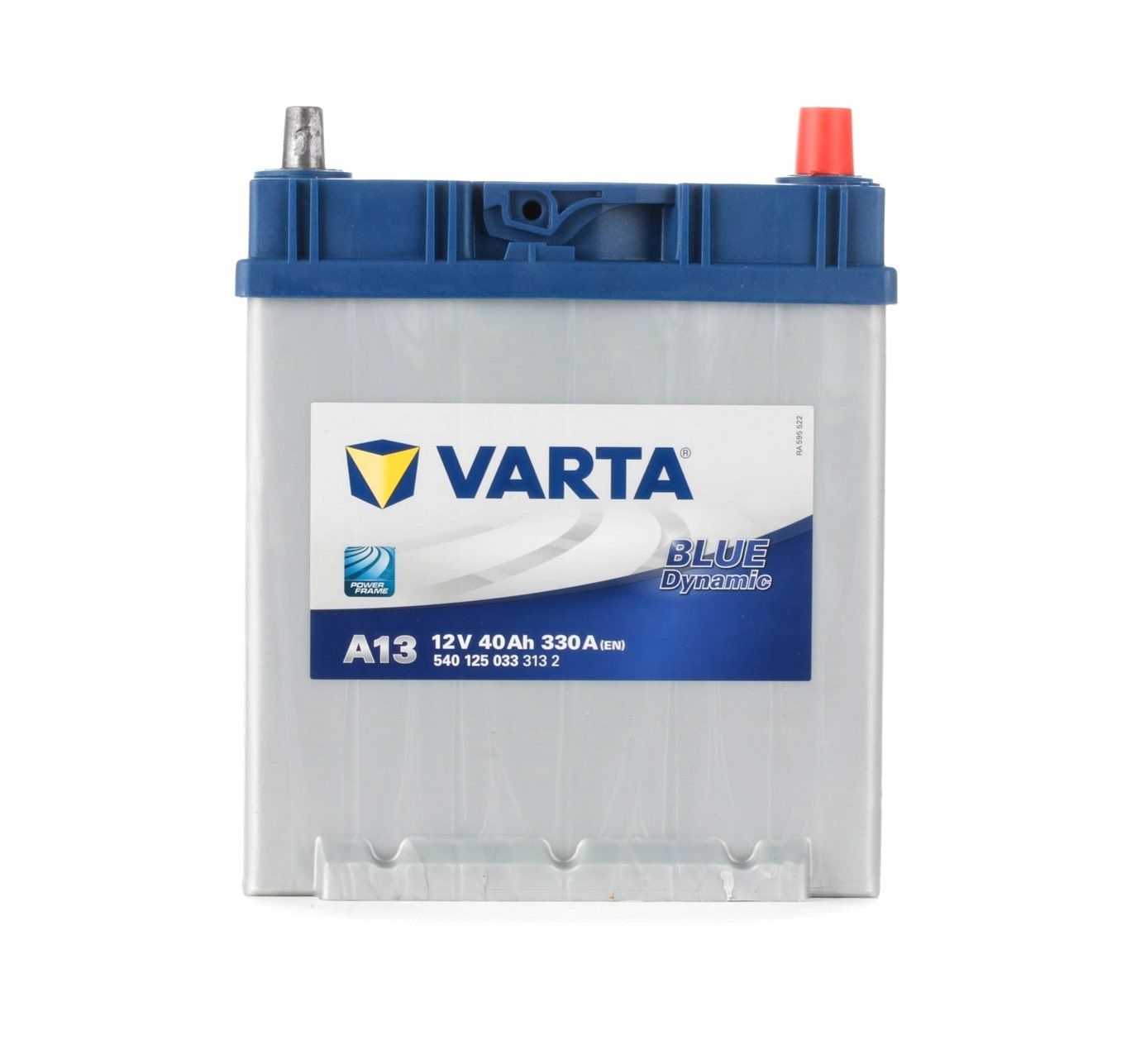
BOSCH 12V 4AH 55A Battery
12V 4Ah 55, 50A AGM Battery
EXIDE AGM12-31 Battery
12V 30Ah 430A AGM Battery
BOSCH S5 010 Battery
12V 85Ah 800A Lead-acid battery
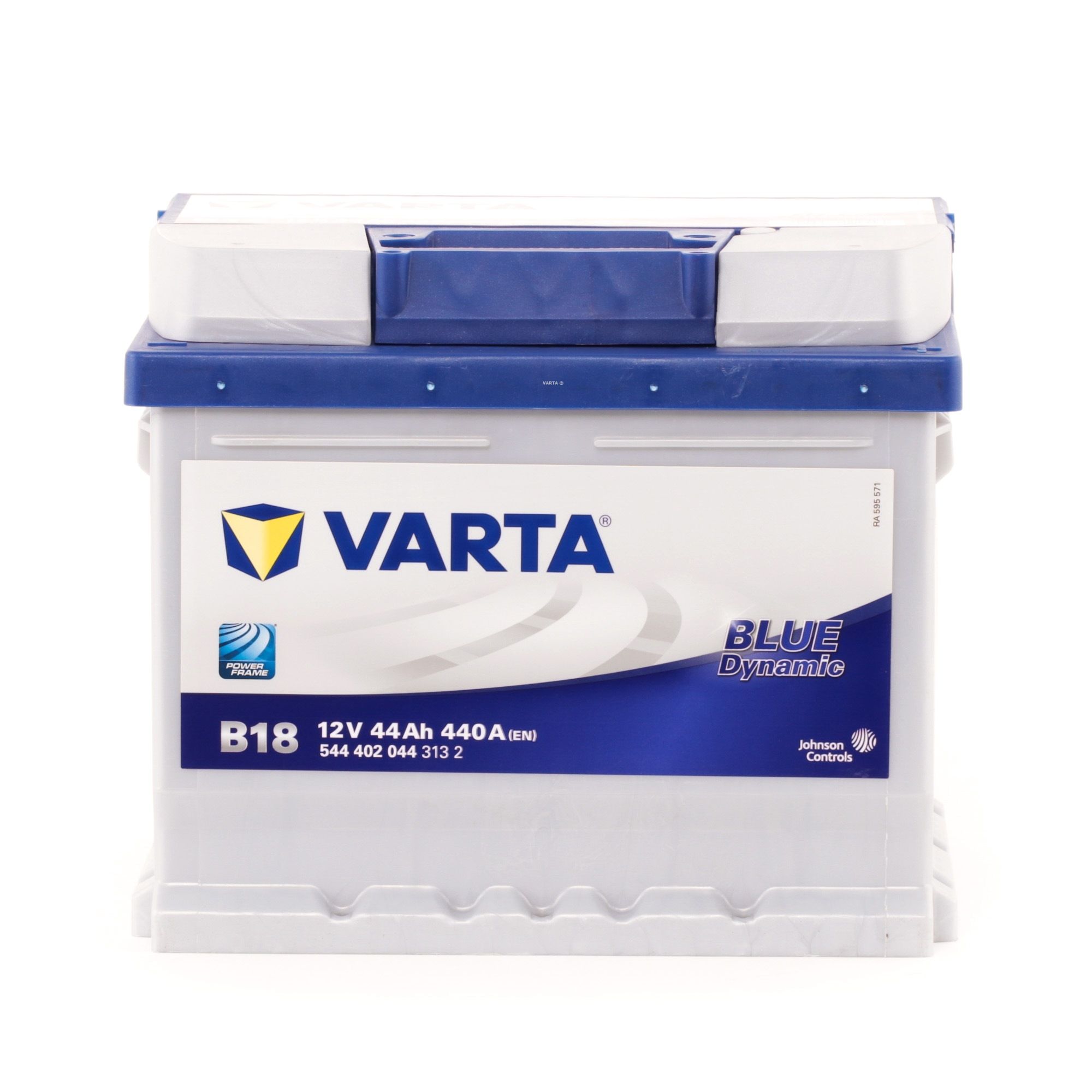
VARTA B18 Battery
12V 44Ah 440A Lead-acid battery
EXIDE G75SE Battery
12V 55Ah 620A Lead-acid battery
BOSCH 12V 70AH 760A Battery
12V 70Ah 760A EFB Battery
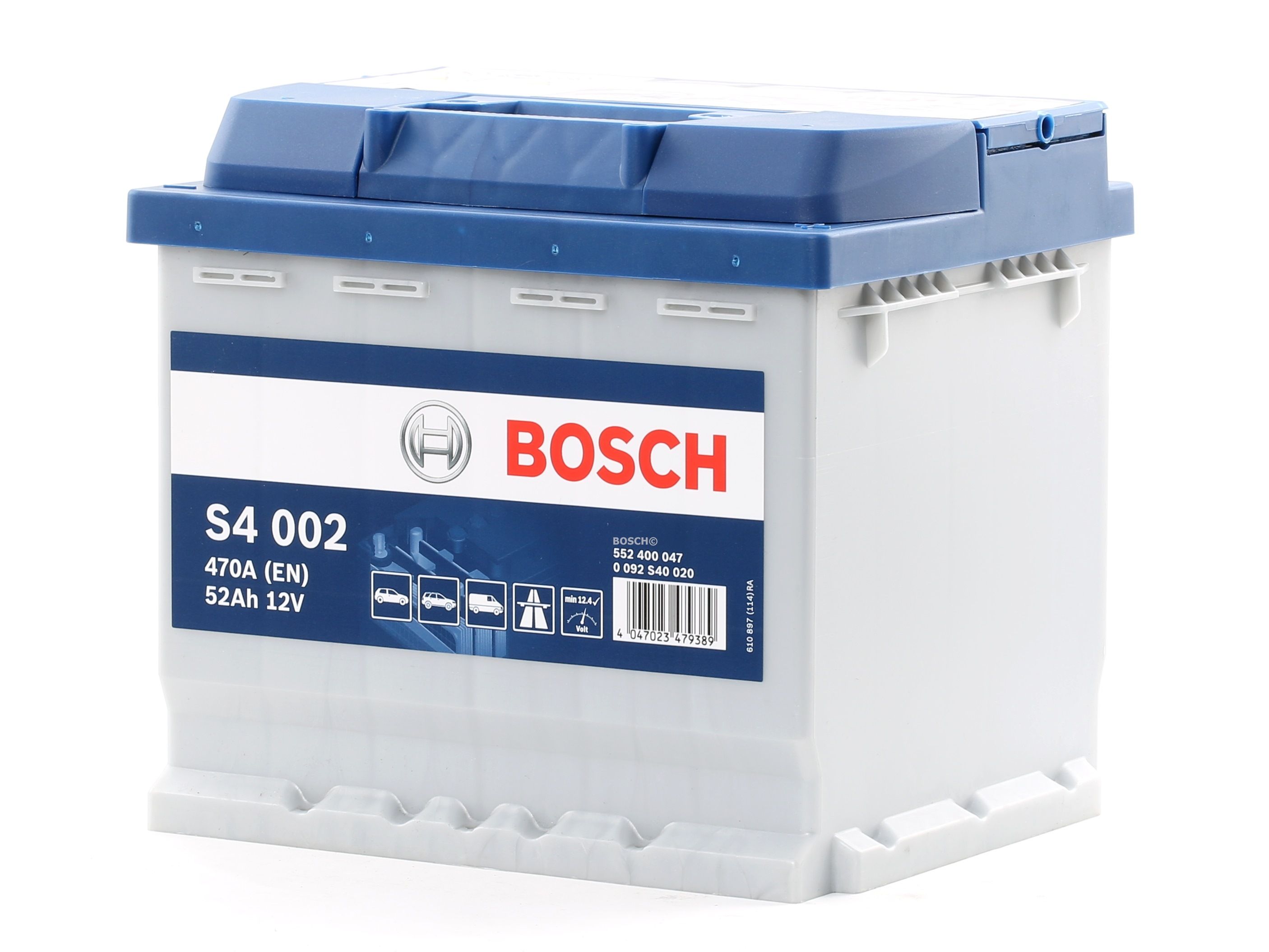
BOSCH S4 002 Battery
12V 52Ah 470A Lead-acid battery
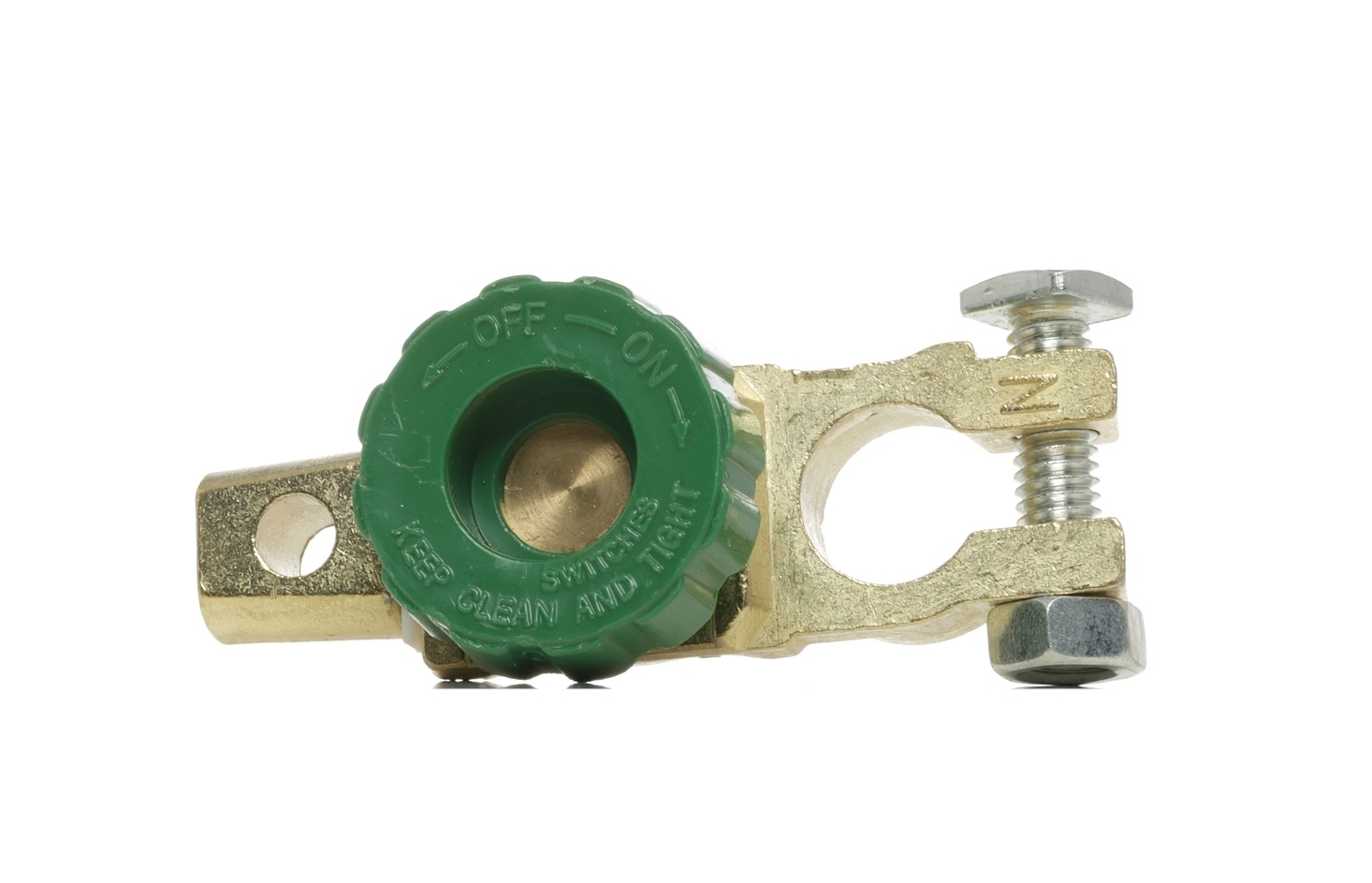
BOSCH SH/SE 11/13 Battery Relay
12V
| The bestselling products: | |||||
|---|---|---|---|---|---|
| 57033 | 52285240066 | 6EK 002 843-002 | 0 986 FA1 000 | EM44-LB1 | 5401250333132 |
| For popular car brands: | |||||
| VW | MERCEDES-BENZ | BMW | AUDI | OPEL | FORD |
What is a car battery?
A car battery (12 V) is a rechargeable power source that ensures the engine starts and supplies power to the electronics. Without a functioning battery to deliver current to the starter motor, the vehicle will not start. It also powers systems when the engine is off, stabilises network voltage and supports the start-stop function. As this is a consumable part with a service life of 3–5 or 4–7 years, replacing it is critical for reliable starting, especially in winter.
Car battery components
A modern car battery is typically a lead-acid battery that generates power through a chemical reaction between lead and sulphuric acid. Its construction has not fundamentally changed for over a century, despite technical improvements. A standard 12 V model consists of six series cells of 2.1 V each, producing a 12.6–12.8 V output when fully charged.
Main components:
- Housing – Acid-resistant polypropylene divided into 6 sections. Withstands vibration, temperature fluctuations, and acid exposure.
- Lead plates – Positive (PbO₂) and negative (Pb) electrodes immersed in an electrolyte. The more plates, the higher the capacity.
- Separators – Insulating layers between plates prevents short circuits and ensures free electrolyte passage.
- Electrolyte – Sulphuric acid (H₂SO₄) solution with distilled water, density 1.27–1.28 g/cm³ when fully charged.
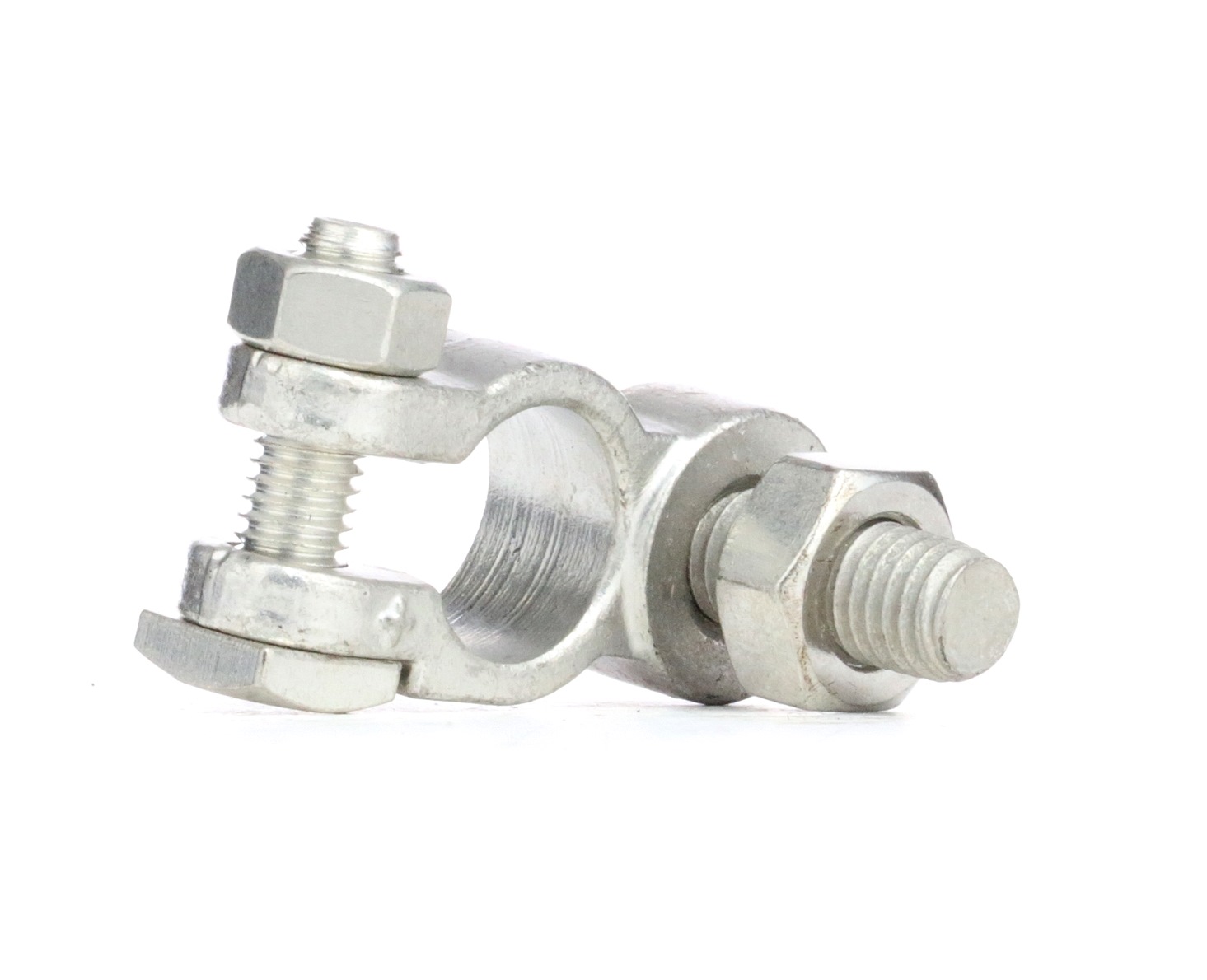
- Terminals (poles) – Positive (plus, thicker) and negative (minus, thinner) lead contacts for connection to vehicle electrics.
- Ventilation system – Openings or valves for venting gases formed during charging.
Operating principle
During discharge (when starting engine or powering electrics), a chemical reaction occurs: lead and lead oxide on plates interact with the sulphuric acid, releasing electrical energy. Plates become covered with lead sulphate, whilst the electrolyte loses density.
During alternator charging, the process reverses. Lead sulphate decomposes, sulphuric acid returns to the electrolyte, and density is restored. The alternator charging voltage is 13.8–14.4 V.
Main characteristics
When selecting a battery, key details include its capacity, cranking current, and dimensions. All three parameters must match the vehicle manufacturer’s specifications.
- Capacity (Ah) – Energy quantity the battery can deliver. Typical values: 44–110 Ah. 50–70 Ah (petrol vehicles) or 70–110 Ah (diesels).
- Cranking current (A, EN/CCA) – Maximum current during cold engine starting. The higher — the more reliable winter starts. Typical values: 360–950 A.
- Voltage (V) – Standard passenger vehicle voltage: 12 V (lorries: 24 V).
- Dimensions and polarity – The battery must physically fit the compartment and have correct terminal placement.
Types of car batteries
The German market offers a variety of battery types, each of which is designed for specific operating conditions. The type selected depends on the presence of a start-stop system, driving style and climatic conditions.
Standard lead-acid (SLI)
Classic battery type used in most vehicles without a start-stop system. SLI stands for Starting, Lighting, and Ignition.
Characteristics:
- Voltage: 12 V, capacity: 44–100 Ah
- Cranking current: 360–800 A
- Service life: 3–5 years
- Price: 50–150 EUR
- Maintenance: maintenance-free (calcium technology) or low-maintenance
Advantages:
- Low price, wide availability
- Reliable operation under standard conditions
- Compatibility with most vehicles without start-stop systems
Disadvantages:
- Not suitable for start-stop vehicles
- Less tolerant of deep discharges
- Sensitive to vibration
Recommended for: vehicles without a start-stop system, standard urban and motorway driving.
EFB (Enhanced Flooded Battery)
Improved standard battery designed specifically for vehicles with basic start-stop systems. The plates are reinforced with polyester fibre, increasing the cyclic load resistance.
Characteristics:
- Capacity: 60–95 Ah
- Cranking current: 540–800 A
- Cyclic durability: 2 times higher than SLI
- Service life: 4–7 years
- Price: 80–200 EUR
Advantages:
- Basic start-stop system support
- Rapid recharge after multiple starts
- Cheaper than AGM with sufficient performance
Disadvantages:
- Not suitable for vehicles with regenerative braking
- Shorter cycle life compared to AGM
Recommended for: vehicles with basic start-stop systems without regeneration (VW Golf, Ford Focus, Opel Astra, etc.).
AGM (Absorbent Glass Mat)
Absorbed glass mat technology – the most advanced lead-acid battery type. The electrolyte is completely absorbed in glass fibre mats tightly adhering to the plates. This ensures maximum deep discharge and vibration resistance.
Characteristics:
- Capacity: 60–105 Ah
- Cranking current: 680–950 A
- Cyclic durability: 3–4 times higher than SLI
- Service life: 6–8 years
- Price: 150–350 EUR
Advantages:
- Full start-stop support with regenerative braking
- Deep discharge resistance – up to 80% without damage
- Low self-discharge (less than 3% monthly loss)
- Vibration resistance – electrolyte does not spill
- High cranking current even at low temperatures
Disadvantages:
- High price
- Requires a special charger with AGM mode
- Sensitive to overcharging (voltage not above 14.8 V)
Recommended for: vehicles with start-stop and regenerative systems (BMW, Mercedes, Audi), vehicles with extensive electronics.
Important: if a vehicle is equipped with an AGM battery from the factory, replacing it with EFB or SLI models is prohibited. This will cause start-stop system failure and electronics damage. An upgrade (SLI to AGM) is permitted.
Lithium-ion (LiFePO₄) batteries
The latest lithium iron phosphate technology is still a niche product for the automotive market.
Characteristics:
- 60–70% lighter than lead-acid equivalents
- Service life: 10–15 years, over 2,000 cycles
- Stable voltage throughout discharge cycle
- Price: 400–1,200 EUR
Disadvantages:
- Require special battery management system
- Reduced performance at temperatures below -10°C
- Incompatibility with some vehicle charging systems
- Very high price
Recommended for: racing vehicles, tuning, cases where weight saving is critical. For everyday use, it is still considered impractical.
Battery type comparison table
Below is a comparison of main characteristics of various car battery types available on the German market.
| Type | Capacity (Ah) | Cranking Current (A) | Service Life | Price (EUR) |
|---|---|---|---|---|
| SLI (standard) | 44–100 | 360–850 | 3–5 years | 50–150 |
| EFB | 60–95 | 540–800 | 5–7 years | 80–200 |
| AGM | 60–105 | 680–1000A+ | 6–8 years | 150–350 |
| Lithium-ion | 20–100 | 600–1200 | 10–15 years | 400–1,200 |
Battery capacity: how to choose the correct Ah
Battery capacity, measured in ampere-hours (Ah), determines how much energy the battery can store and deliver. Choosing the wrong capacity leads to starting problems, premature wear, or inefficient power.
Recommended capacity by engine type
Capacity selection depends primarily on the engine size and type. Diesel engines require a more powerful battery due to their high compression ratio.
| Engine type / vehicle class | Recommended capacity (Ah) | Cranking current (A) | Examples |
|---|---|---|---|
| Small vehicles, petrol | 44–50 Ah | 360–440 | VW Up, Fiat 500, Smart |
| Compact class, petrol | 60–70 Ah | 540–680 | VW Golf, Opel Astra, Ford Focus |
| Compact class, diesel | 70–85 Ah | 680–760 | Golf TDI, Focus TDCI |
| Mid-range, petrol | 70–80 Ah | 680–760 | VW Passat, BMW 3 Series, Audi A4 |
| Mid-range, diesel | 80–95 Ah | 760–850 | Passat TDI, 320d, A4 TDI |
| Executive class | 95–110 Ah | 850–950 | BMW 5/7, Mercedes E/S, Audi A6/A8 |
| SUVs, diesel | 80–110 Ah | 760–950 | BMW X5, Audi Q7, Mercedes GLE |
Important: installing a battery with capacity 5–10 Ah higher than recommended is permitted as this will not harm electronics and provides energy reserve. Installing a battery with a significantly lower capacity will lead to deep cycling and rapid wear. However, you must always check the DIN dimensions (e.g., L3, L5). A battery with higher capacity is often longer and may not fit in the factory battery tray.
Dimensions and polarity
In addition to the capacity, you must consider the battery’s physical dimensions and where the terminals are placed. In Europe, most common standards are DIN (German, low terminals) and EN (European, high terminals).
Before purchasing, check the following:
- Length, width, and height – battery must fit standard compartment
- Polarity – positive terminal placement (left or right when viewing it from the front)
- Mounting type – bottom bracket (B13, B1) or top clamp
- Terminal type – standard conical or Japanese standard (thinner)
Use your vehicle VIN number or the manufacturer’s catalogue to find a compatible battery model. Many shops and brands (Bosch, Varta) offer online battery selection by vehicle make and model.
Service life and signs of wear
The average car battery service life is between 3–7 years under normal operating conditions. The actual service life depends on numerous factors, such as the driving style, climate, and battery type.
Expected service life based on operating conditions
The nature and length of journeys have a direct impact on battery longevity. Short urban journeys have the most negative impact on batteries due to less charging power and higher strain. Estimates may vary depending on the type of battery itself.
| Operating conditions | Service life (years) | Explanation |
|---|---|---|
| Frequent short journeys (up to 10 km) | 3–4 | Battery does not fully recharge |
| Urban driving (mixed) | 4–6 | Moderate load, frequent starts |
| Motorway driving (regular) | 5–7 | Extended alternator charging |
| Extreme climate (heat/frost) | 3–5 | Accelerated degradation at extreme temperatures |
Factors influencing the service life
Battery longevity is determined by combination of operating factors:
- Short journeys – During journeys less than 15–20 minutes long, the alternator does not fully recharge the battery. Chronic undercharging is the main cause of premature failure.
- Temperature – Severe frost (below -15°C) reduces starting power by 30–50%. Meanwhile, heat above +35°C accelerates electrolyte evaporation and plate corrosion.
- Current consumers – Heated seats, multimedia systems, dash cameras, and alarms all increase battery load.
- Alternator condition – A faulty alternator does not provide the required charging current, leading to undercharging and a flat battery.
- Vehicle standing – When a vehicle is standing for 2–3 weeks, the battery discharges due to quiescent current (30–50 mA in modern vehicles). Deep discharges can reduce the service life by 30–50%.
- Vibration – Poor battery mounting can lead to plate destruction and internal short circuits.
Battery wear signs
It is possible to recognise battery problems by the characteristic symptoms that occur during starting and vehicle operation.
During engine starting:
- Starter turns slowly, laboriously – especially in the morning and in frost
- Engine does not start on first attempt
- Starter relay clicks without the engine turning
- Dim dashboard illumination when the ignition is switched on
During operation:
- Headlights are dim at idle and bright when revs increase
- Start-stop system stops working (deactivation indicator on dashboard)
- Electrical equipment operates unstably – clock resets, radio settings lost
- Battery warning indicator illuminates on the dashboard
External signs:
- Battery housing swollen or deformed – sign of internal overheating
- White or greenish deposit on terminals – rust
- Rotten egg smell (hydrogen sulphide) – sign of overcharging or cell damage. Poses a risk of fire
- Electrolyte traces on housing – cracks or leaks
Condition diagnostics
The simplest way to check is to measure the voltage with a multimeter when the engine is off (resting voltage). Measure this after the vehicle has been standing for at least 2 hours.
| Resting voltage standard flooded battery (V) | Charge level | Condition |
|---|---|---|
| 12.6–12.8 | 100% | Normal |
| 12.4–12.6 | 75% | Acceptable, charging recommended |
| 12.2–12.4 | 50% | Charging needed, check the battery’s condition |
| 12.0–12.2 | 25% | Critical level, deep discharge |
For comprehensive diagnostics, the workshop recommends a load test, which checks the battery's ability to deliver high current, which is something that cannot be determined by a simple voltage measurement. This diagnostics check typically costs 10–30 EUR.
Car battery charging
Charging is especially important in winter and after short urban journeys when alternators do not fully replenish the charge. Regular maintenance extends battery life by 1–2 years.
Home charging rules
- Sequence – First connect clamps to terminals (plus to plus first, then minus to minus). Then switch on the device. Note: battery terminals must be disconnected in the opposite order to prevent short circuits and sparks (negative first, then positive).
- Charging current – Optimal – 10% of capacity (for example, for 70 Ah need 7 A current). The full cycle takes 8–12 hours.
- Safety – Charge the battery in a ventilated area. Do not let the housing reach temperatures above +45°C.
Important for AGM! Only use intelligent devices with an AGM charging mode. Ordinary chargers with a voltage above 14.8 V can dry out the electrolyte and irreversibly damage expensive batteries.
Note: when charging a battery inside a modern car, experts usually recommend connecting the negative (-) clamp to a dedicated "grounding post" on the car's frame rather than the battery terminal itself. This ensures the car's battery monitoring sensor (BMS) sees the current flowing in and updates the "state of charge" correctly. See your vehicle model’s repair manual for specific details.
Charging when driving
If you jump-started a vehicle after deep discharge, remember that 15 minutes of idling is insufficient. For an alternator to charge the battery to at least 50%, it typically requires a minimum of 45–60 minutes of driving on the motorway. In winter, this process may take longer.
Charger selection in Germany
| Device type | Price (EUR) | Suitable for |
|---|---|---|
| Basic (automatic) | 30–60 | Standard batteries (SLI), simple charging. |
| Intelligent | 60–150 | For AGM/EFB and standard units. Features a desulphation and diagnostics mode. |
| Booster (jump starter) | 70–200 | Portable "power bank" for emergency cold start. Not meant for normal charging. |
Top tip: CTEK and Bosch brand chargers are best suited to modern Start-Stop vehicles as they are fully automated and safe for sensitive electronics.
Battery replacement and registration
A standard battery replacement generally takes 15–30 minutes but requires you to follow a strict procedure. In modern vehicles, software is often required for the "registration" of new batteries in the system.
Brief battery replacement procedure
- Removal – First disconnect the negative terminal, then the positive terminal. This eliminates the risk of a short circuit when the spanner contacts the body.
- Installation – Install the new battery and connect the terminals in the opposite order: first the positive terminal (+), then the negative terminal (-).
- Important – Ensure that the battery is securely fastened with the retainer. An unsecured battery poses a risk of damage to the vibration plate and will fail TÜV testing.
Tip: use an OBD-keeper to prevent multimedia and electronic system settings from being reset when the power is disconnected.
On-board computer registration (Anlernen)
Vehicles with energy management systems (BMW, Mercedes, Audi, VW Group from 2008+) must be programmed to register a new battery.
Why is this necessary?
Over time, alternators change the charging algorithm, adjusting to old battery wear. If the new battery is not registered, the system will supply excessive current, leading to overheating and halving the service life.
When is it mandatory?
- All BMW vehicles from 2002 (with IBS sensor).
- Mercedes-Benz models from 2005.
- Any vehicles with start-stop systems.
Battery costs in Germany
Car battery prices in Germany vary depending on the battery type, capacity, brand, and vehicle class. In addition to the cost of the battery itself, it is important to consider the deposit (Batteriepfand) and installation costs.
Prices by type and capacity
The average car battery costs in Germany as of January 2026 are outlined below. Prices shown do not include the deposit.
| Type / capacity | Price (EUR) | Application |
|---|---|---|
| SLI 44–50 Ah | 50–90 | Small vehicles |
| SLI 60–70 Ah | 75–130 | Compact class |
| SLI 80–100 Ah | 100–145 | Mid-range and premium class |
| EFB 60–70 Ah | 95–160 | Basic start-stop |
| EFB 75–95 Ah | 120–175 | Start-stop mid-range |
| AGM 60–70 Ah | 150–200 | Start-stop with regenerative braking |
| AGM 80–95 Ah | 170–250 | Premium with regenerative braking |
| AGM 100–105 Ah | 210–300 | Luxury/E-segment vehicles |
Battery deposit (Batteriepfand)
In Germany, a statutory deposit of €7.50 (including VAT) is mandatory when purchasing a new starter battery. This fee is waived if you return your old battery at the time of purchase. When buying online, the deposit is typically added to your total. In order to receive a refund, you must submit a disposal certificate (Entsorgungsnachweis) from a local recycling centre or workshop. All retailers are legally required to accept old batteries for free, regardless of where they were originally purchased.
Professional replacement costs
The total replacement cost comprises the battery price and workshop labour rates. The work should take around 15–60 minutes depending on the battery's location on the vehicle.
| Vehicle class | Battery (EUR) | Labour + registration (EUR) | Total (EUR) |
|---|---|---|---|
| Small class (VW Up, Opel Corsa) | 50–100 | 30–60 | 80–160 |
| Compact (VW Golf, Ford Focus) | 80–160 | 40–80 | 120–240 |
| Mid-range (VW Passat, BMW 3 Series) | 120–250 | 50–100 | 170–350 |
| Premium (BMW 5 Series, Mercedes E) | 180–350 | 60–120 | 240–470 |
| Luxury SUVs (BMW X5, Audi Q7) | 200–380 | 60–130 | 260–510 |
Where to buy batteries in Germany:
- Automotive shops: consultation and on-site installation
- DIY shops: good standard battery range
- Discounters: budget options, periodic promotions
- Online retailers: wide selection, low prices, delivery to your doorstep
- Official dealers: genuine branded batteries with the car manufacturer’s warranty
Price influencing factors
Battery cost determined by several key factors:
- Technology type – AGM often 2–3 times more expensive than SLI
- Capacity – Each additional 10 Ah increases the price by 15–25 EUR
- Brand – Premium brands (Varta, Bosch) significantly more expensive than budget ones
- Vehicle class – Premium vehicle batteries more expensive due to higher capacity and specific dimensions
- Where you shop – Usually 10–20% cheaper online than in physical shops
Best car battery manufacturers
The German market features numerous brands, from world leaders to budget names. Your choice of manufacturer partly determines the battery’s service life, cold start reliability, and warranty conditions.
| Brand | Country | Price (EUR) | Service Life | Feature |
|---|---|---|---|---|
| Varta (Clarios) | Germany | 80–350 | 5–8 years | World leader, OEM for VW/BMW/Mercedes. Series: Blue Dynamic, Silver Dynamic, Silver Dynamic AGM |
| Bosch | Germany | 70–300 | 5–7 years | OEM for many European brands. S4/S5/S6 series. Offers online battery finder feature. |
| Exide | USA/EU | 80–280 | 5–7 years | Premium Carbon Boost series with carbon additives for protection against sulphation. OEM Ford, PSA |
| Banner | Austria | 90–300 | 5–7 years | Running Bull AGM — one of the best AGM brands on the market |
| Moll | Germany | 100–280 | 5–8 years | Premium "Made in Germany" products, highest quality controls |
| Energizer (Clarios) | Germany | 60–200 | 4–6 years | Clarios production (like Varta), affordable price |
| Cartec / Voltecc | Germany | 50–150 | 4–5 years | Budget segment, sold in DIY stores |
| Ridex | Germany | 45–130 | 3–5 years | Affordable price, basic quality for most standard vehicle needs |
- For reliability and long service life: Varta (Silver Dynamic AGM), Bosch (S5/S6), Banner (Running Bull), Moll – optimal for premium vehicles and Start-Stop vehicles
- For value for money: Varta (Blue Dynamic), Bosch (S4), Exide (Premium), Energizer – solid choice for most vehicles
- For tight budgets: Cartec, Voltecc, Ridex, Norauto – suitable for older vehicles without complex electronics
OEM vs original (genuine) batteries
When purchasing a battery in Germany, there are two main options: original batteries, also known as genuine batteries, (vehicle manufacturer branded battery) and OEM products (identical battery under the part manufacturer’s brand).
| Type | Advantages | Disadvantages | Price (EUR) |
|---|---|---|---|
| Original | 100% compatibility, manufacturer warranty of 2 years, perfectly matched specs | Often 30–60% more expensive, available only at dealers | 150–400 |
| OEM | Identical quality, far cheaper, wide availability and choice | Limited battery manufacturer warranty (1–2 years), no vehicle brand logo | 70–280 |
Choose original parts if your vehicle is still under warranty and you get it serviced at an authorised dealership.
Choose OEM parts if your warranty has expired, the vehicle is serviced at an independent workshop, or you need to save money without compromising on quality.
How to choose a car battery for your vehicle
The correct battery for you will depend on the vehicle type, operating conditions, and your budget. Below is a step-by-step selection guide.
Step-by-step selection guide
- Determine the battery type. For example, for vehicles with start-stop and regenerative braking, you’ll likely need an AGM unit. For basic start-stop systems, both AGM and EFB units are suitable. Vehicles without start-stop functions usually only use standard lead-acid batteries.
- Determine the required capacity (Ah). Check the operating manual or the markings on the old battery.
- Check the cranking current (A). This must not be lower than the one specified by the car manufacturer (see manual). For diesel engines and winter conditions – the higher the better.
- Measure the dimensions and check the polarity. You need to know the correct length × width × height, as well as where the positive terminal is placed.
- Choose your desired brand and price category. For new vehicles: Varta, Bosch, Exide. For older ones: Energizer, Cartec, Ridex.
Car battery disposal
Car batteries contain lead and sulphuric acid, which are environmentally hazardous substances. In Germany, car battery disposal is strictly regulated by law.
Where to return the old battery
- Automotive parts shops: any store that sells car batteries is legally obligated to take back an old one for free, even if you don't buy a new one there
- Hardware stores: OBI, Bauhaus, Hornbach, toom
- Recycling/disposal centres (Wertstoffhof): accepted free of charge
- Scrap metal dealers (Schrotthändler): they often accept batteries and pay EUR 5–15 per battery depending on its weight and lead price
Disposing of a battery in household waste is strictly prohibited. Fine for illegal disposal: up to EUR 50,000 under waste legislation (BattDG).
German legislation
In Germany, battery conditions are checked during technical inspection and regulated by several regulations. Non-compliance entails TÜV refusal and operating restrictions.
TÜV requirements
This is what the inspector may look for during the technical inspection (Hauptuntersuchung, HU):
- Reliable battery mounting in compartment
- Housing integrity – absence of cracks, swelling, and leaks
- Terminal condition – absence of severe corrosion and oxidation
- Presence of terminal protective covers (when applicable)
- Ventilation system functionality
Substantial defects: unreliable mountings, a damaged housing, or electrolyte leaks. In these cases, the vehicle will not pass the TÜV until the defect is remedied.
Legislative framework
- StVZO § 30 — General requirements for vehicle safety and electrical equipment.
- BattDG (Batterierecht-Durchführungsgesetz) — Replaced the BattG in late 2025; governs the €7.50 deposit, mandatory recycling, and seller take-back obligations.
- UN ECE-R 100 — Safety standards for high-voltage traction batteries in electric and hybrid vehicles.
Violation consequences
| Violation | Consequences |
|---|---|
| Unreliable battery mounts | TÜV refusal |
| Damaged housing/leakage | TÜV refusal, risk of fire |
| Illegal disposal | Fine of up to EUR 50,000 (BattG) |
| Faulty electrical system in accident | Possible insurance claim refusal |
Owner responsibility
Under German law, vehicle owners bear full responsibility for keeping the electrical equipment in a serviceable condition and disposing of it in a legally compliant manner upon replacement.
Frequently Asked Questions (FAQ)
How do I determine which battery is needed for my vehicle?
Check the vehicle owner’s manual or markings on the old battery for the correct capacity (Ah), cranking current (A), dimensions, and type (SLI/EFB/AGM). You may also use online selector tools by entering the VIN number or make/model on Bosch Batterie Finder or Varta Batterie Finder websites, for example. Online retailers like AUTODOC also offer similar catalogue search tools.
Can I install a battery with a higher capacity (Ah)?
Yes, an increase of 5–10 Ah is permitted and even beneficial as this will not overload alternators, providing more energy reserves. However, the battery must physically fit the compartment in your car. Installing a battery with significantly lower capacity is not advisable.
What is the average car battery service life?
12V car batteries last an average of 3–7 years under normal operating conditions. With frequent short journeys, they last 3–4 years. With regular motorway driving, they can last up to 7 to 8 years depending on the type of technology. AGM batteries last longer than standard batteries, averaging at 5–8 years.
Must new batteries be registered in the on-board computer?
Yes, for vehicles with intelligent energy management systems (BMW, Mercedes, VW/Audi with Start-Stop). Without registering the battery, the charge management system will continue operating based on the old battery conditions, leading to incorrect charging and premature wear. Registration cost: 20–60 EUR.
Can an AGM battery be replaced with a standard lead-acid battery?
No. If a vehicle is equipped with AGM from the factory, replacing it with a SLI or EFB unit is prohibited as this will cause start-stop system failure, incorrect charging, and electronic damage. However, an upgrade (e.g. SLI to EFB) may be permitted and can improve performance.
Why does the battery lose its charge so quickly?
The main causes of discharge include frequent short journeys (alternator does not fully charge), a faulty alternator, parasitic drain (faulty alarm, dash camera), battery ageing, and severe frost. With recurring problems, professional diagnostics is recommended (20–40 EUR).
What is the difference between EFB and AGM models?
EFB models are improved standard batteries with reinforced plates, suitable for basic start-stop systems. AGM features absorbed electrolyte technology with maximum cyclic durability, necessary for vehicles with regenerative braking. AGM technology is much more expensive but lasts longer.
Must the new battery be charged before the installation?
In most cases, no. New batteries are typically supplied with a charge of 80–100%. However, if the battery is stored for a long time on the shelf (over 6 months), charging may be recommended. Check the production date on the battery’s housing.
How can I extend the battery service life?
Avoid frequent short journeys and try to drive for at least 30 mins at least once per week. Check the terminals for rust regularly and promptly remove deposits. During long standing periods, use a charger with charge maintenance. Do not allow deep discharge. Check the voltage using a multimeter every 3–6 months.
Confidence in online shopping! You can return battery without explanation within 200 days after purchase and get your money back. How? Just use the Safe Order service on the checkout page. The service cost is only 2,99 €.
Each order from 120,00 € value of goods, include free shipping within Germany.
*Does not apply to large-size auto parts.