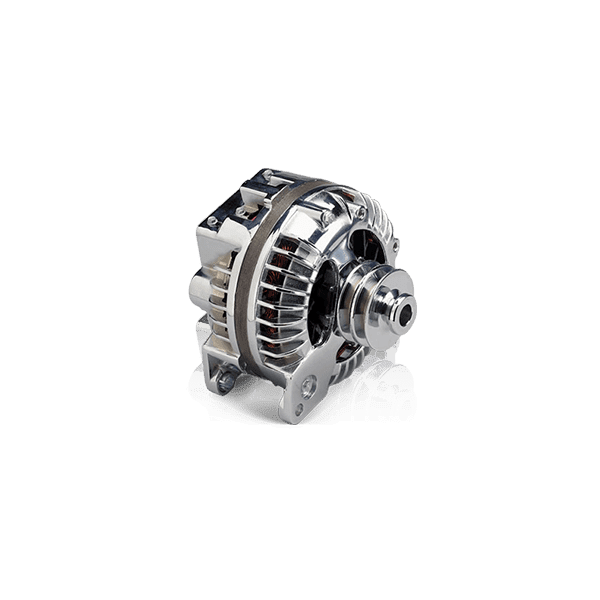
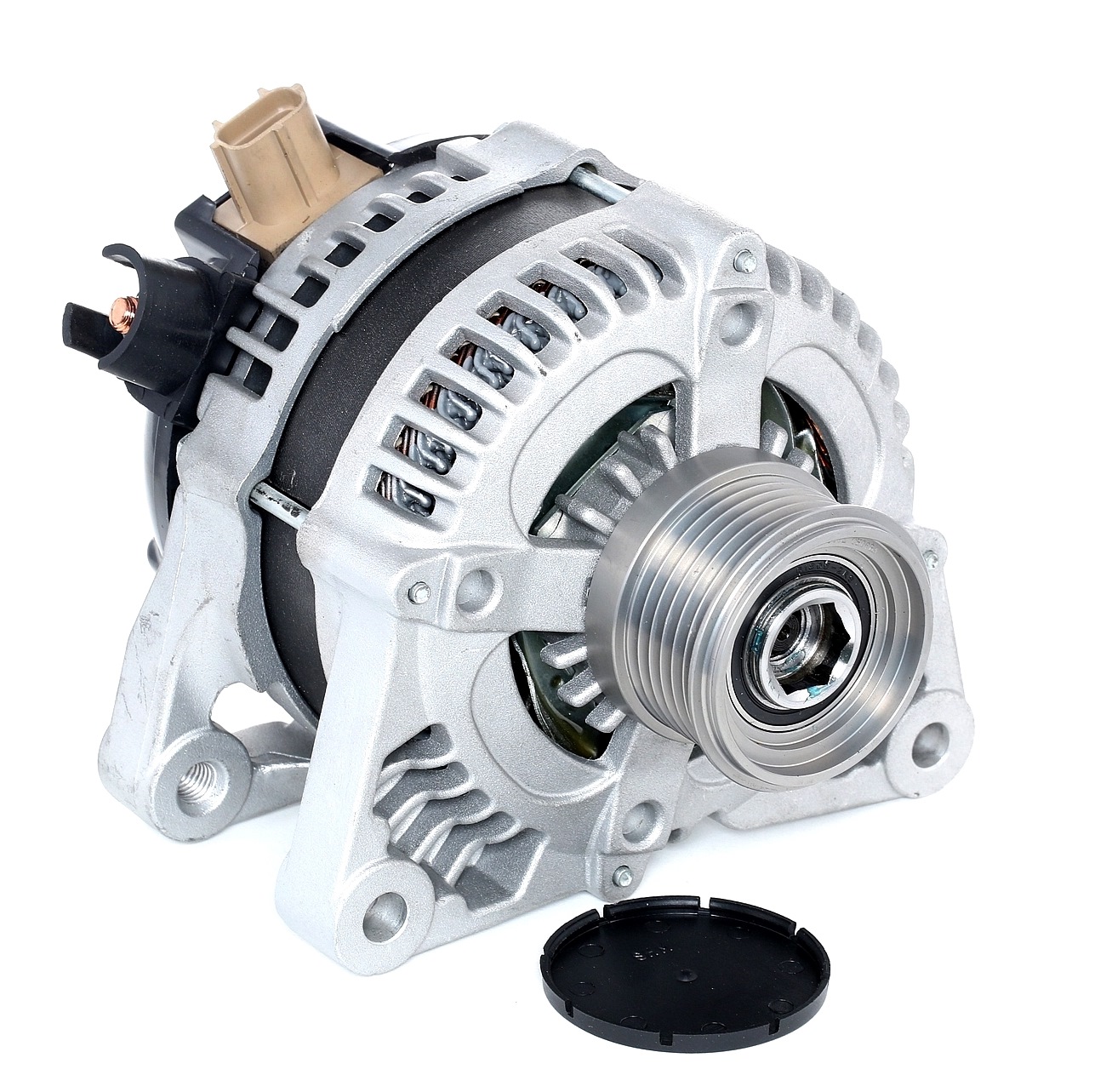
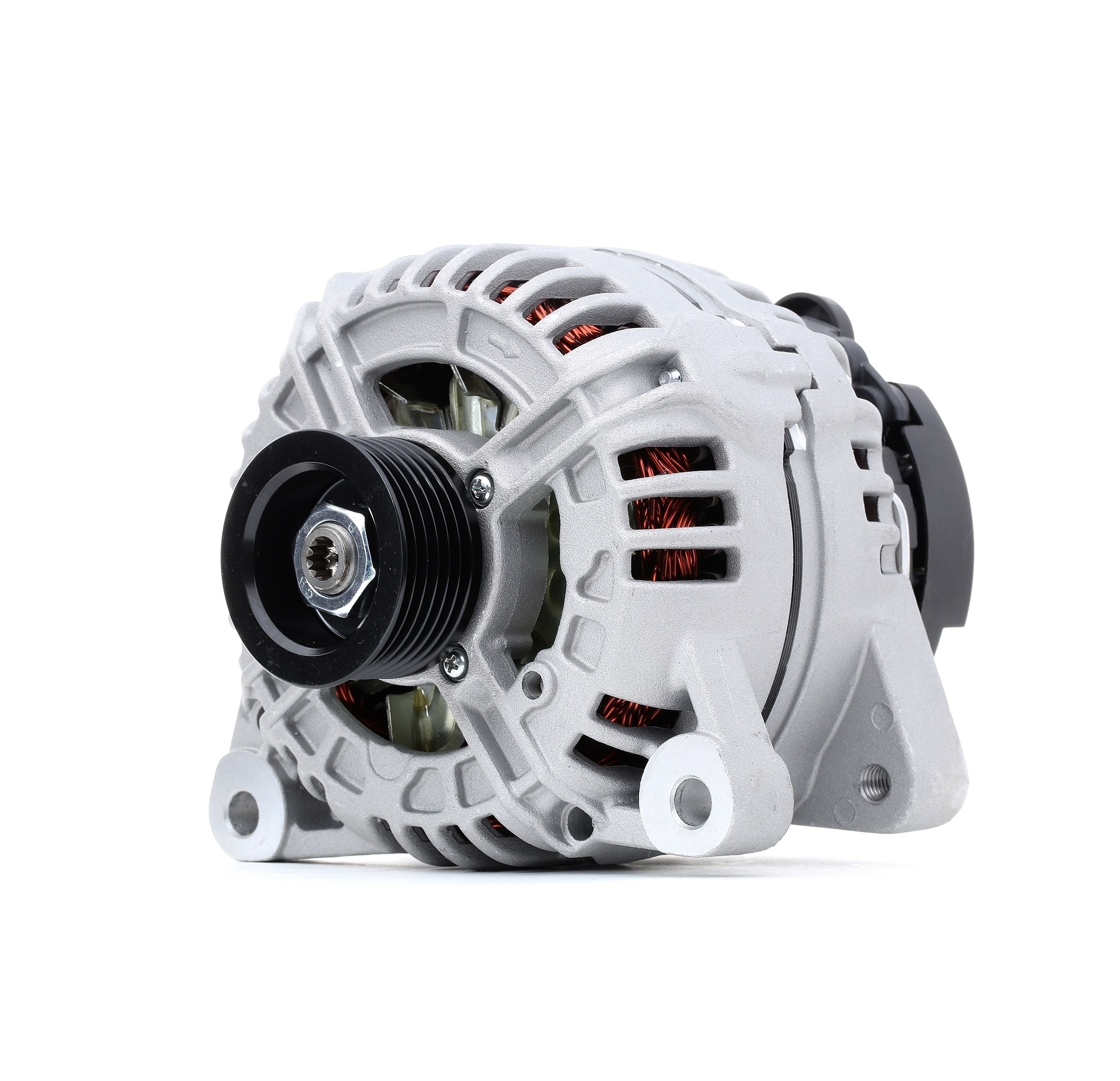
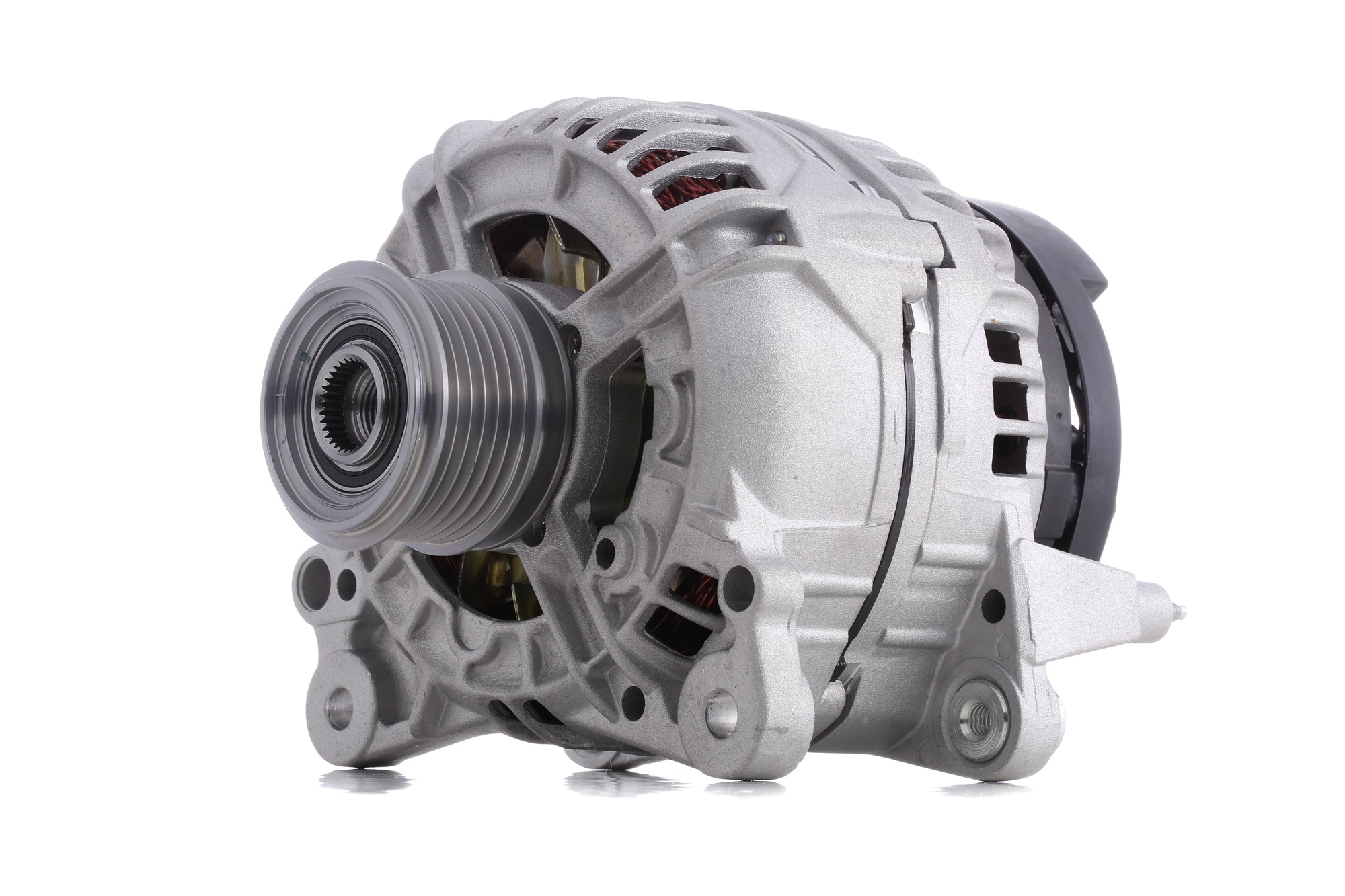
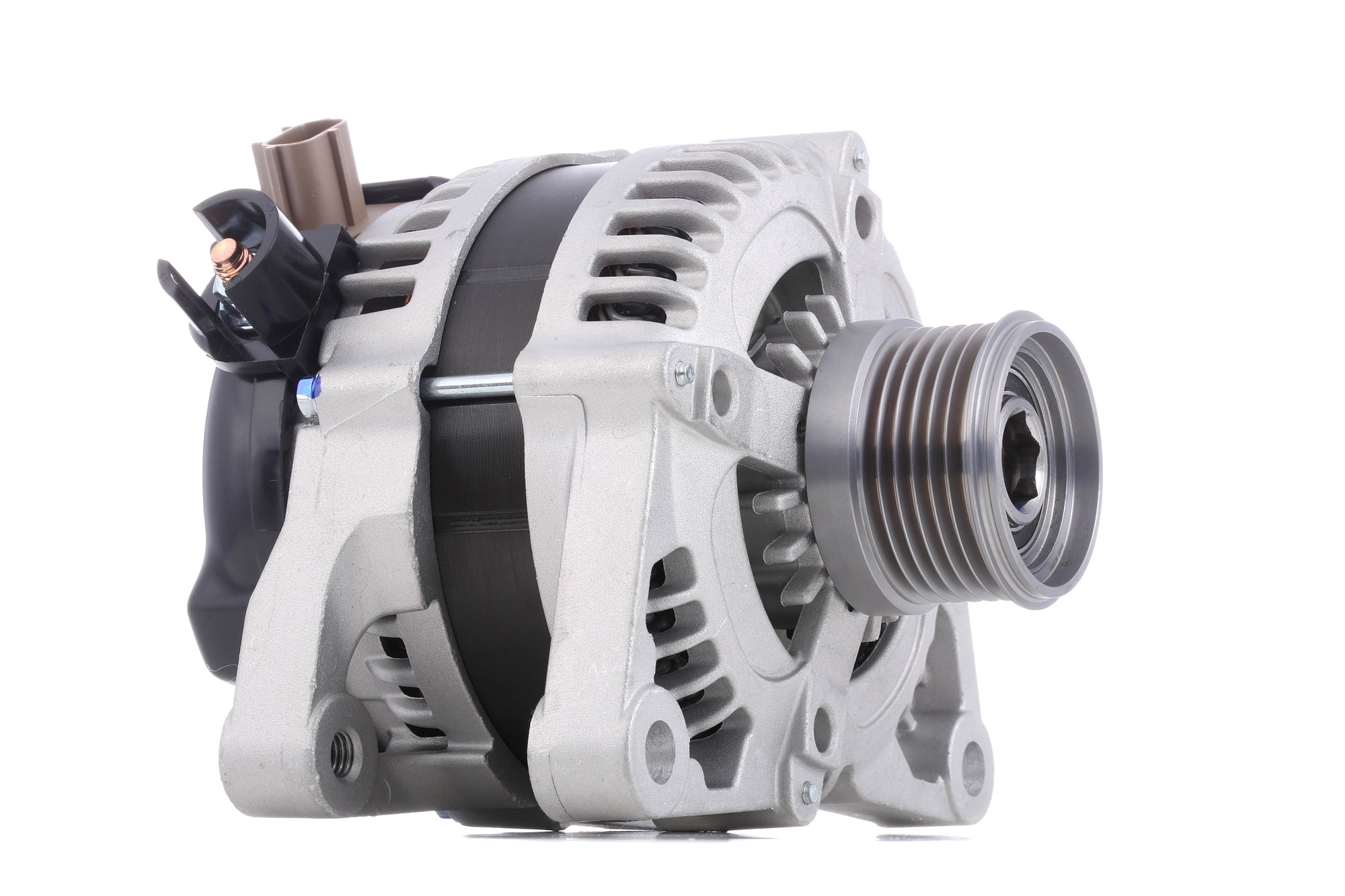
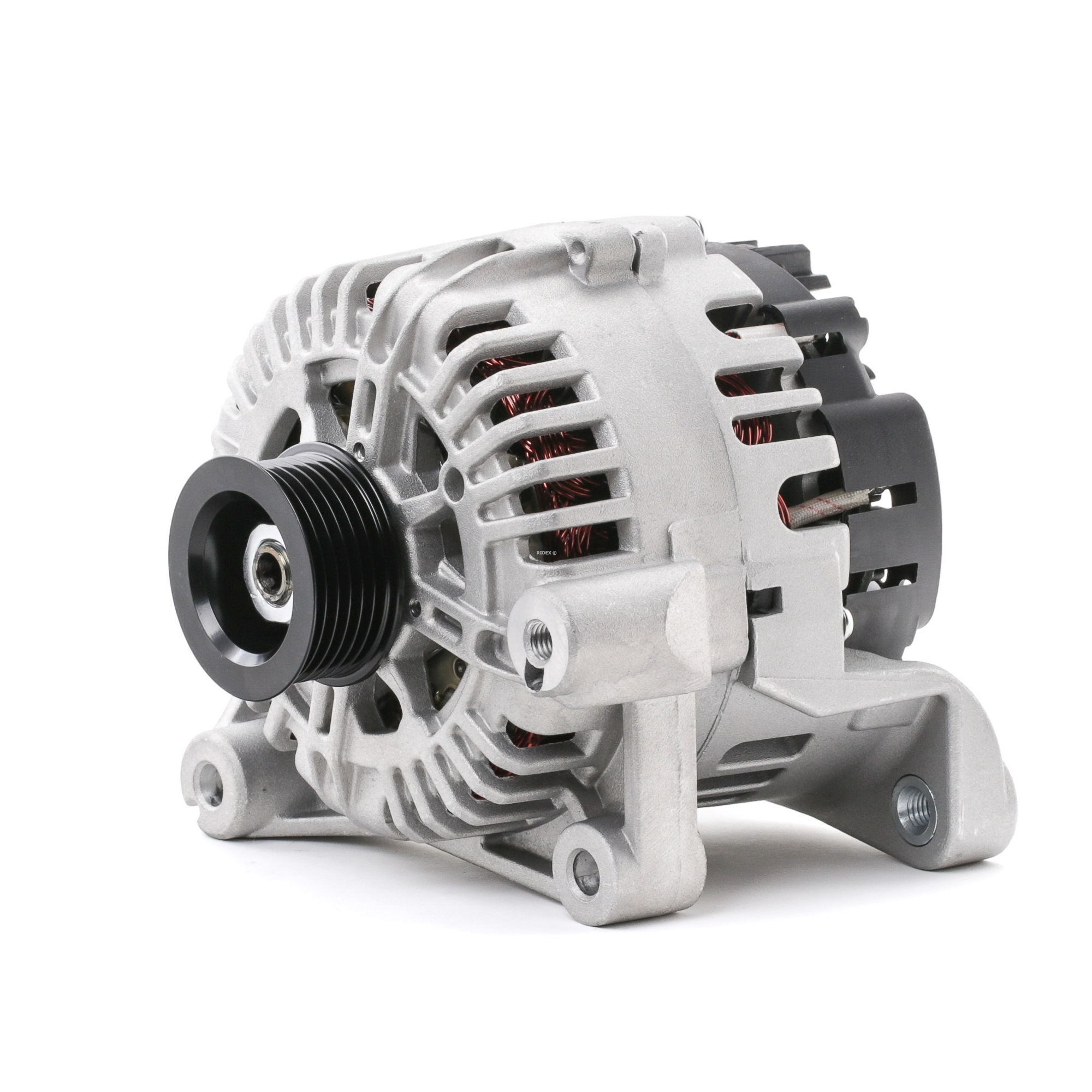
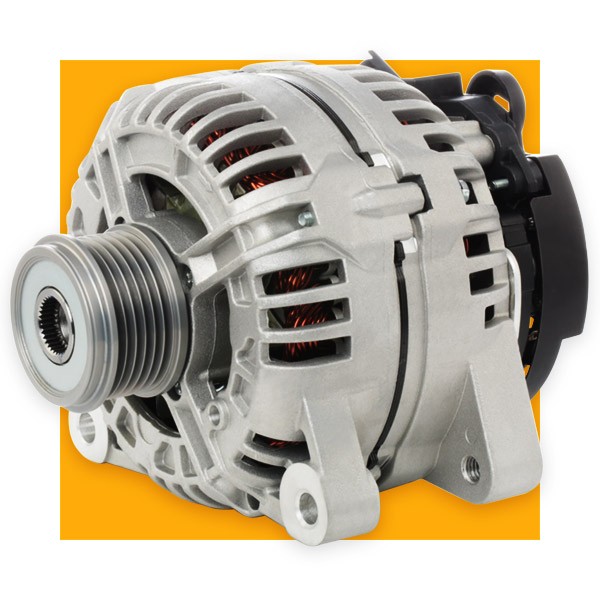
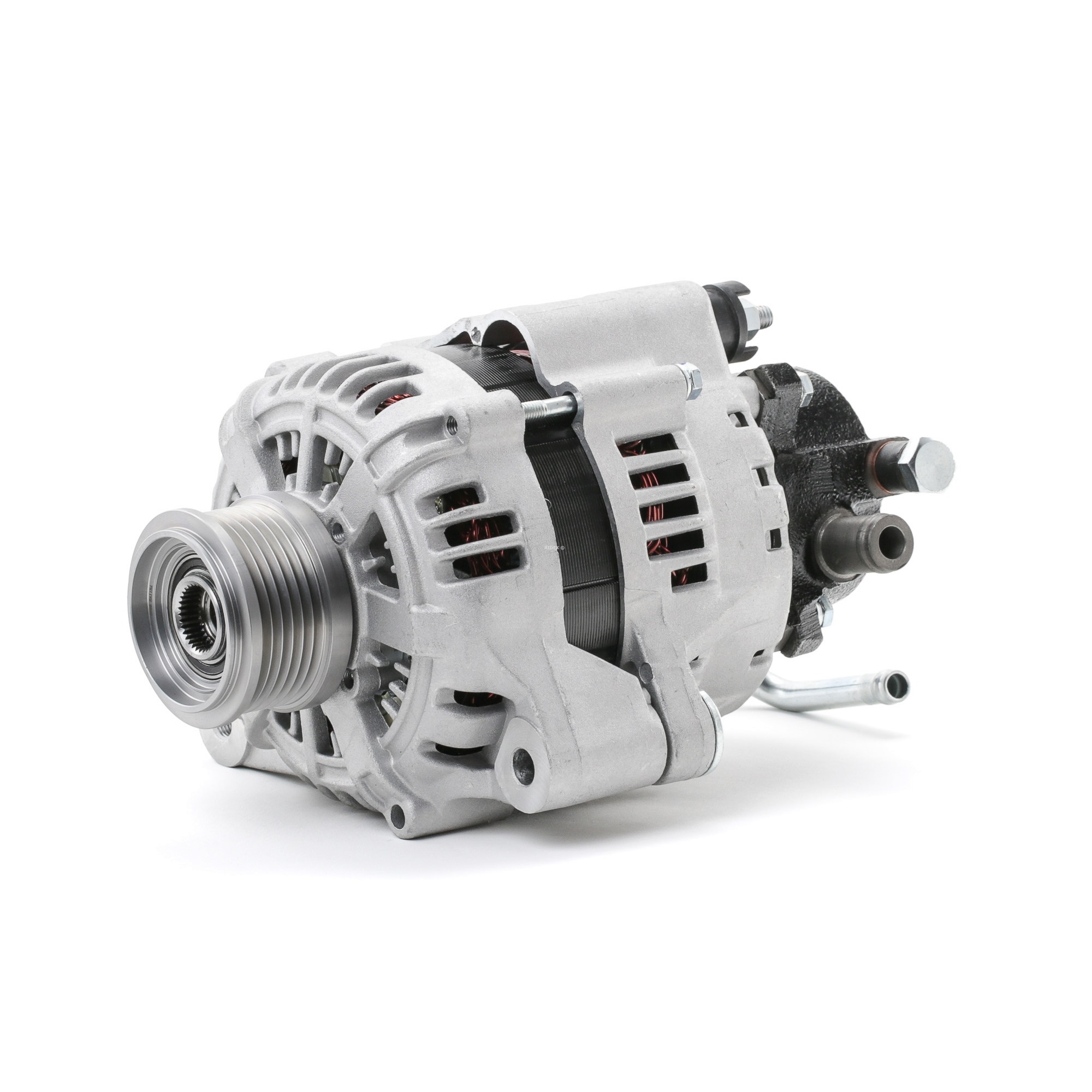
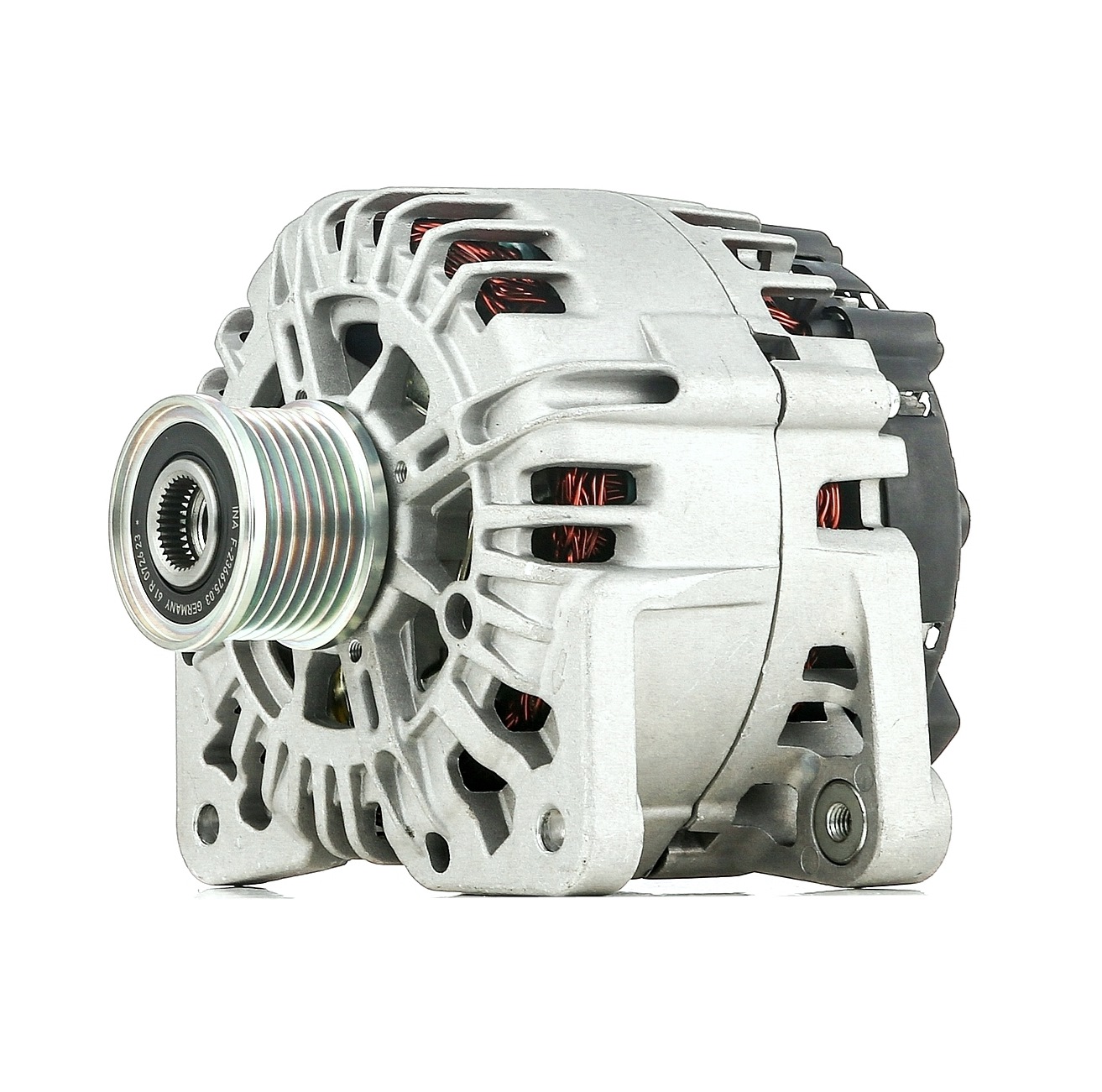
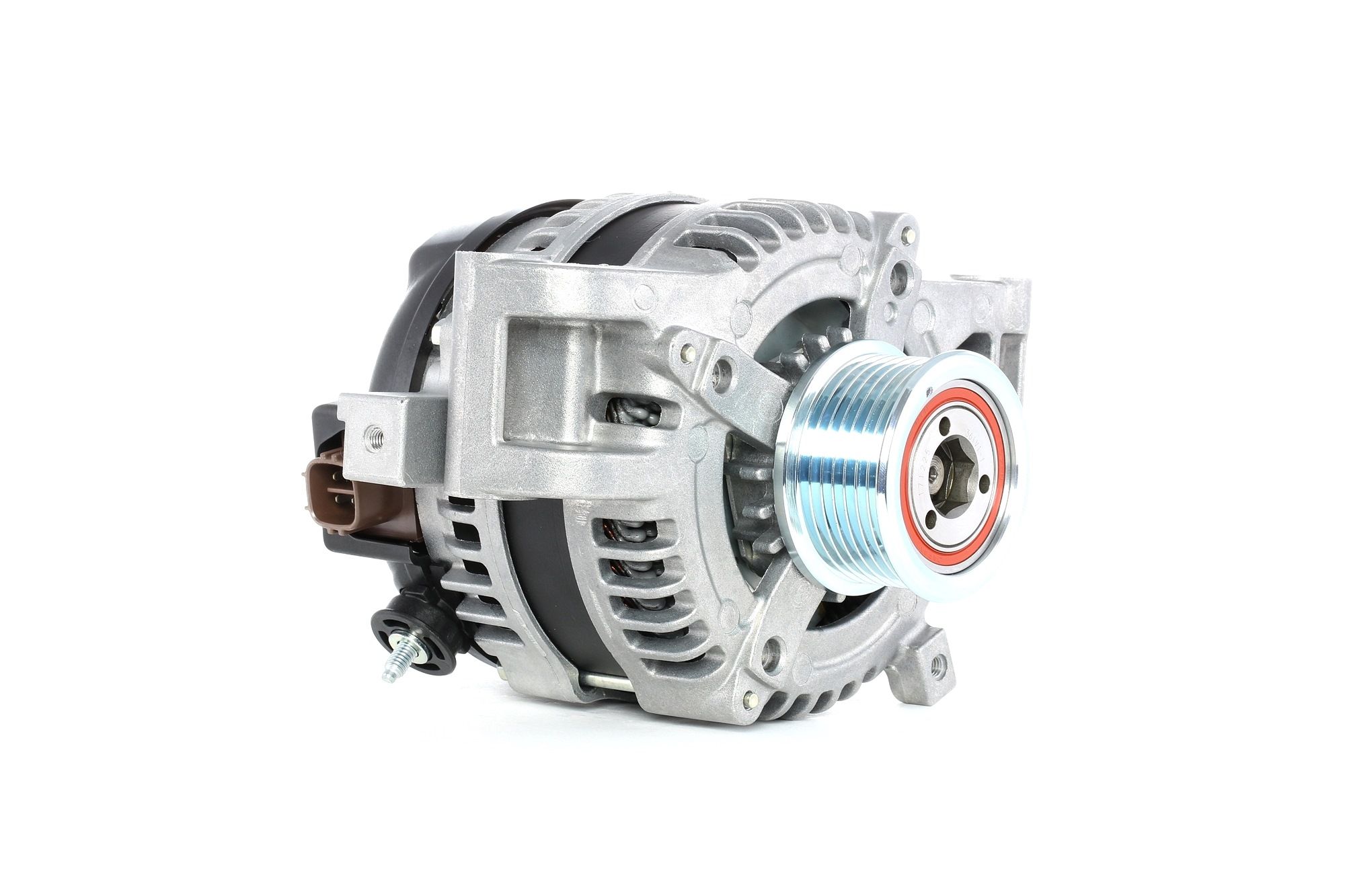
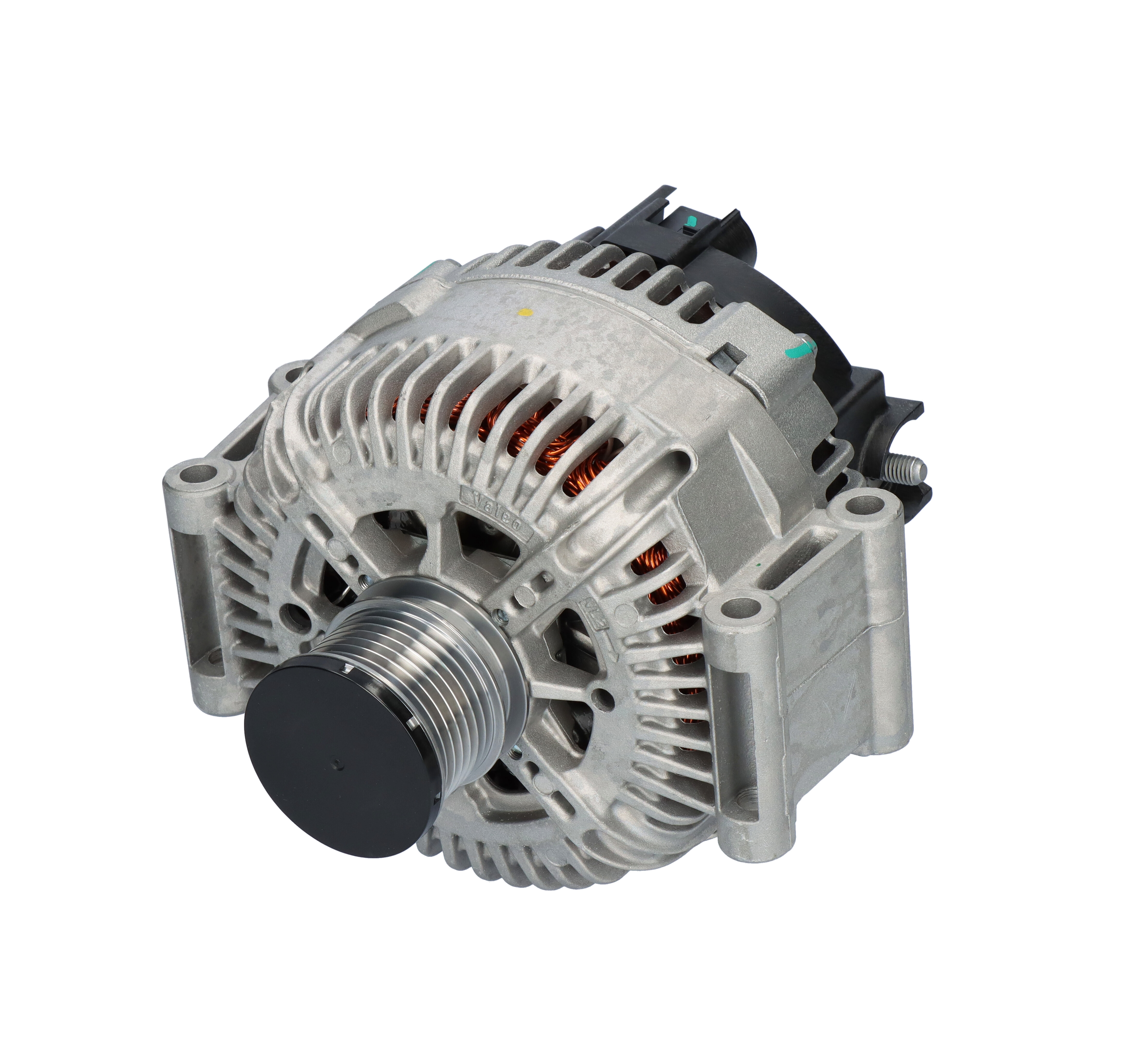
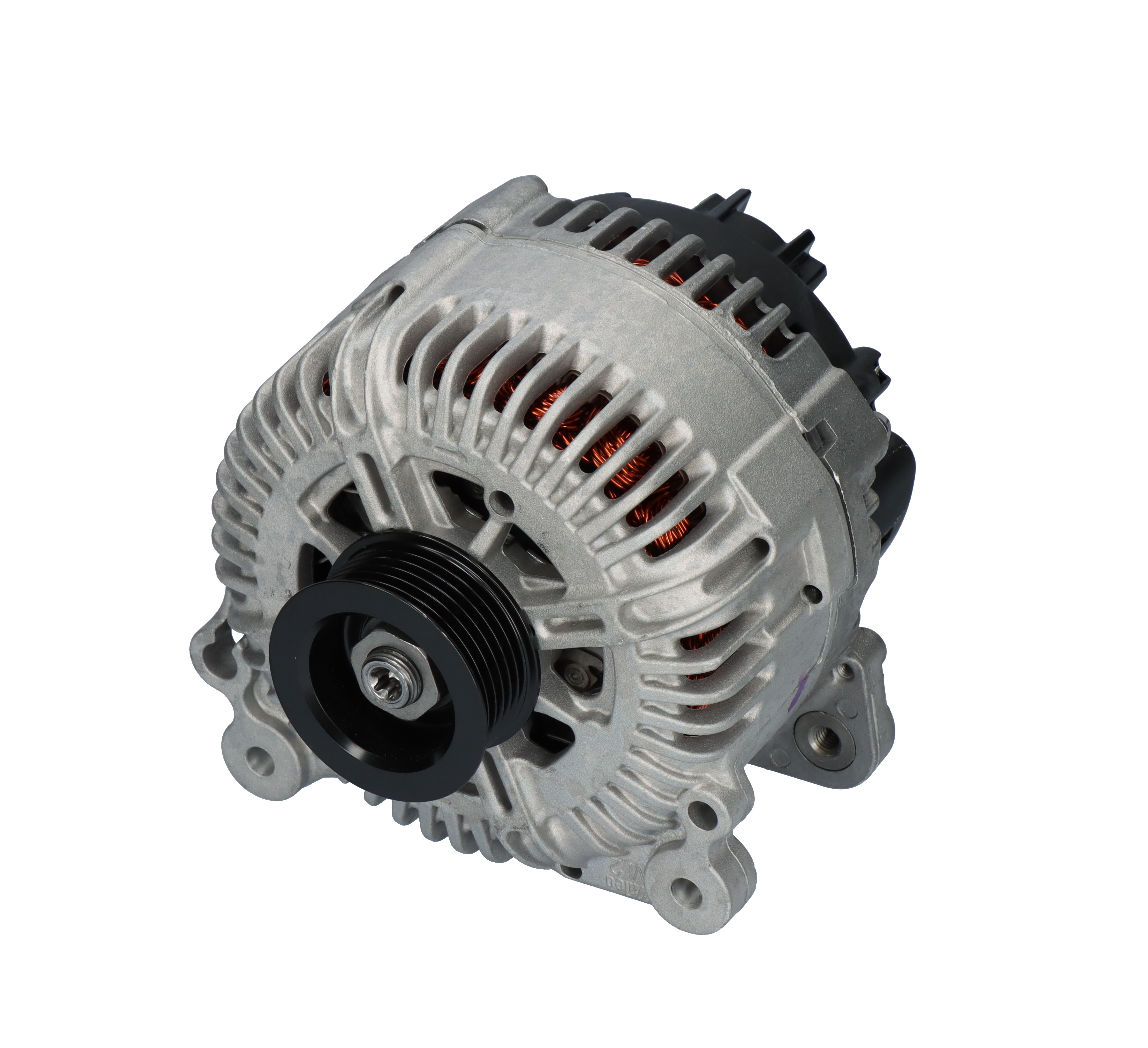
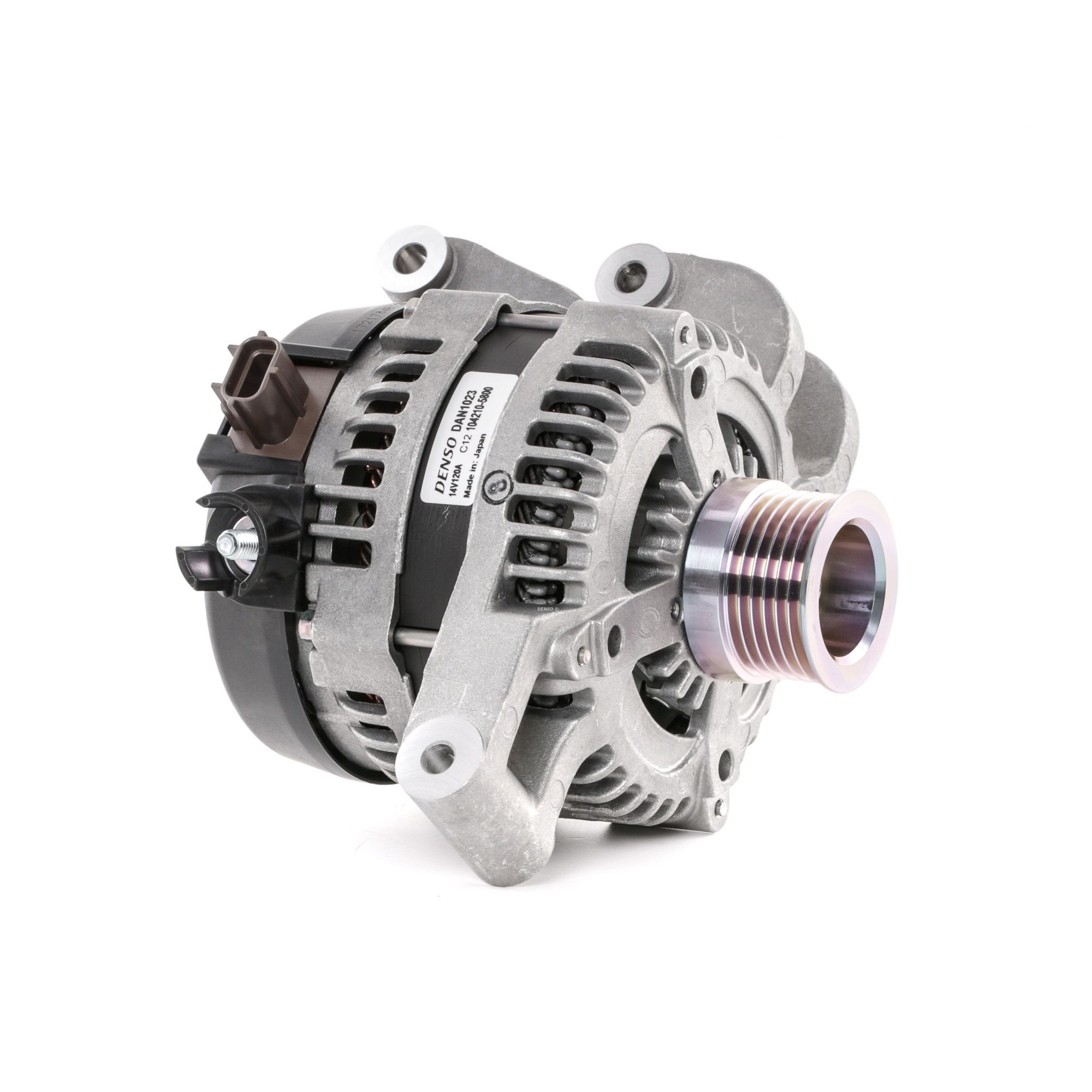
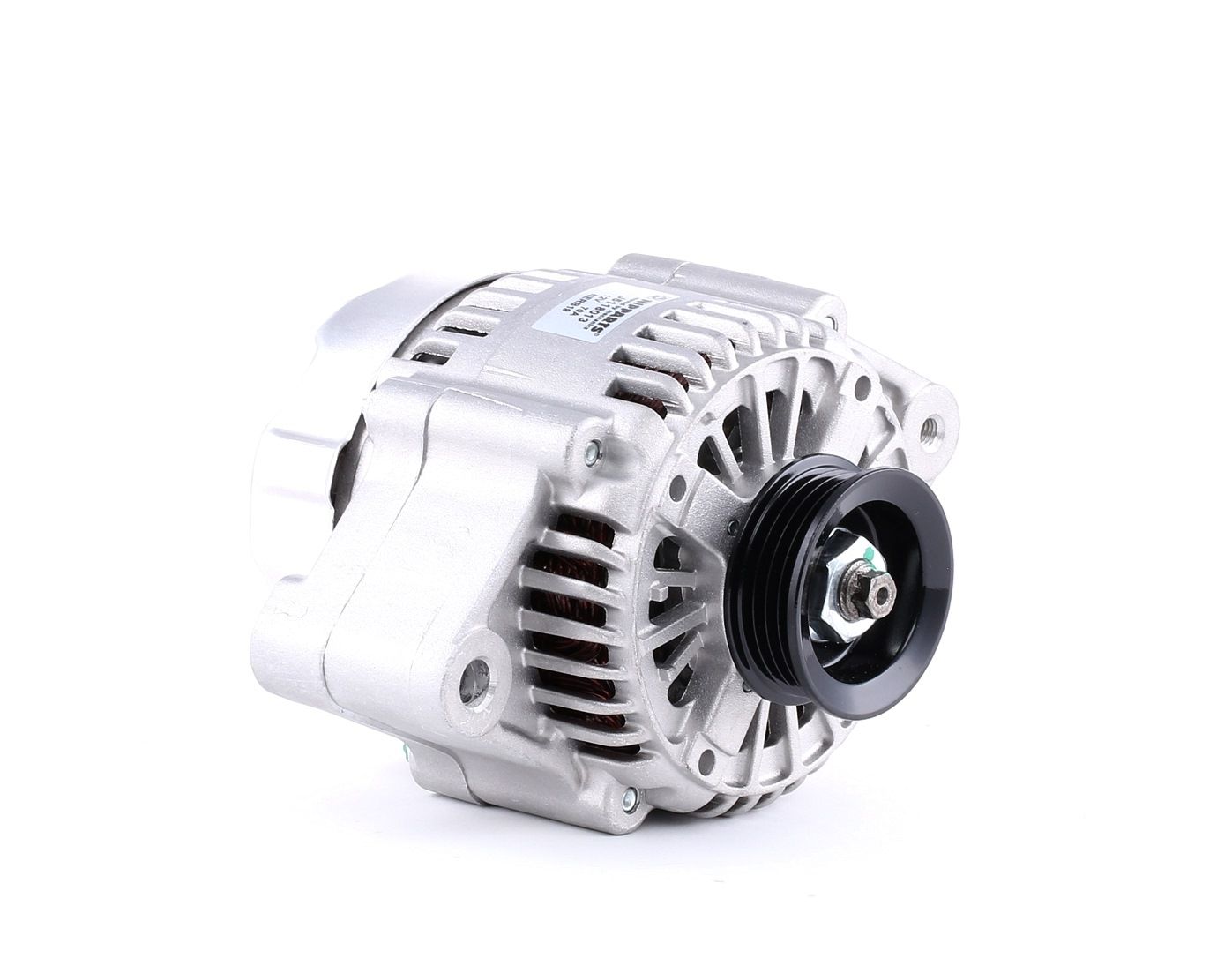
Alternator for car
Order Generator at a fair price
Alternators: top brands
Generator for leading car makes
Generator for top car models
AUTODOC Bestsellers: Alternators at a good price
View bestsellersThe top-selling spare parts in the Alternator category. Browse our huge wide range of high-quality car parts from top brands in the category Alternator and others.
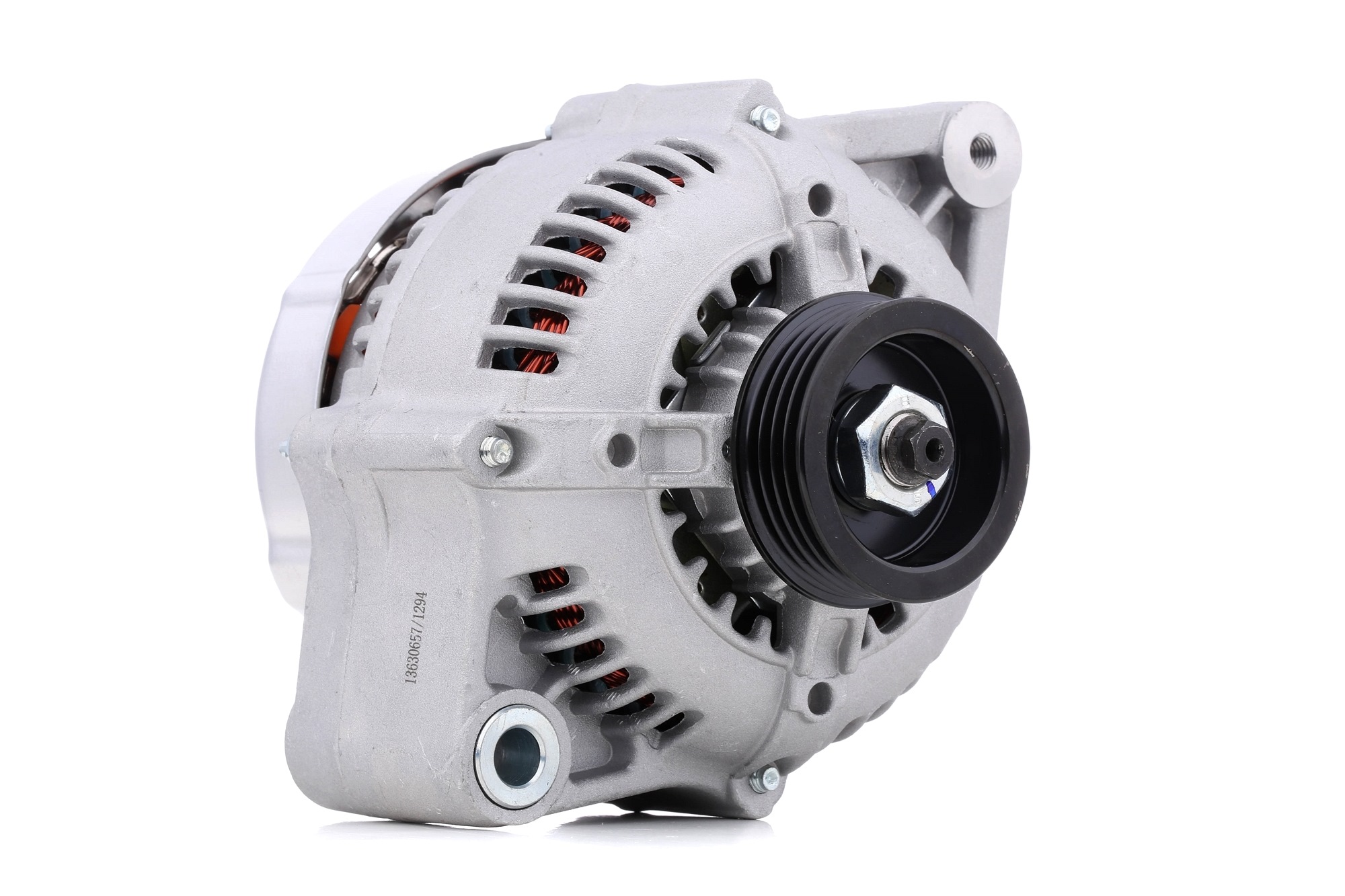
HELLA CA298IR Alternator
12V, 65A, Ø 65 mm
VALEO 2542969 Alternator
14V, 180A, B+, L/R, Ø 50 mm
BOSCH 4186 Alternator
14V, 120A, B1+(M8),DFM,L, PL61, excl. vacuum pump, Ø 56 mm
VALEO 439785 Alternator, starter
BOSCH 4917 Alternator
14V, 120A, B+(M8), SIG, FR, A, PL57, excl. vacuum pump, Ø 54 mm
LUCAS LRA00471 Alternator
14V, 50A, M6 B+, L, 0004, Ø 56 mm
BOSCH 4877 Alternator
14V, 90A, B+(M8),D+(M5), excl. vacuum pump, Ø 54 mm
BOSCH 4181 Alternator
14V, 120A, DFM, L, B1+(M8), PL113, excl. vacuum pump, Ø 49,5 mm
BOSCH 8423 Alternator
14V, 150A, B+(M8),LIN, PL174, excl. vacuum pump, Ø 54 mm
BOSCH 4039 Alternator
14V, 90A, 61E, B+(M8), 15, PL52, excl. vacuum pump, Ø 50 mm
VALEO 439691 Alternator
14V, 70A, B+, L 40, Ø 58 mm
BOSCH 4189 Alternator
14V, 120A, B1+(M8),DFM,L, PL61, excl. vacuum pump, Ø 68 mm
Replacement of Alternator: Video repair guide
How to change alternator on MERCEDES-BENZ 190 W201 TUTORIAL | AUTODOC Top brands that produce alternator: BOSCH, STARK, SACHS, SKF, VAN WEZEL, VALEO,...
Step by Step Video Tutorial for Do-it-yourself Auto Repair. Become an amateur mechanic with Autodoc.
| The bestselling products: | |||||
|---|---|---|---|---|---|
| 3114016 | 3126493 | 695.002.035.050 | LRA00471 | STX102066 | LRB00183 |
| For popular car brands: | |||||
| VW | MERCEDES-BENZ | BMW | AUDI | OPEL | FORD |
| Alternator – technical details | |||||
| Belt Pulley Ø [mm] | Alternator Charging Current [A] | Number of ribs | |||
| 67 | 57 | 80 | 65 | 6 | 2 |
| 58 | 70 | 70 | 120 | 4 | 1 |
| 75 | 56 | 35 | 50 | 5 | 7 |
What is a Car Alternator?
A car alternator is an electric generator driven by the engine. It generates electric current to power all consumers and charge the battery. Modern automotive alternators generate alternating current (AC) which is converted to direct current (DC) of roughly 14 V in vehicles with 12-volt electrical systems or 28 V in 24-volt lorry systems. The output of modern alternators reaches 90–250 A for passenger cars and up to 300 A (or more) for specialised heavy-duty vehicles.
Operating Principle
The alternator is the “power station” of your vehicle. It converts the engine's mechanical energy into electric energy, providing power to on-board systems and charging the battery. In modern vehicles (especially those with Start-Stop technology), “smart” alternators are often used. These are controlled by the on-board computer (e.g. via LIN-bus) and vary voltage in the range 12.2–15.5 V to recover energy during braking and reduce engine load during acceleration.
Core Components and Their Functions
The alternator consists of several main elements, each performing its function in the electricity generation process.
- Rotor. Rotating electromagnet creating a magnetic field. Current is supplied to the rotor through brushes and slip rings.
- Stator. Stationary windings in which alternating current is induced.
- Rectifier. A bridge of diodes (usually six) converts three-phase alternating current to direct current.
- Voltage regulator. An electronic unit that maintains output voltage. In standard systems, it holds a steady ~14.4 V; in smart systems, it adjusts dynamically based on ECU commands.
- Brushes. Graphite contacts supplying current to the rotor through slip rings.
- Pulley. Receives rotation from the engine belt. Modern alternators use an overrunning clutch pulley, damping vibrations.
Signs of Alternator Malfunction
The alternator is a reliable component with a service life of 150,000–250,000 km, but wears over time. A faulty alternator does not charge the battery, leading to battery depletion and eventually engine shutdown. The problem can be recognised by visual, acoustic, and electrical symptoms.
Visual Signs
- Battery warning light illuminated. The red battery symbol on the dashboard glows or flickers whilst the engine is running — the main symptom of alternator malfunction.
- Weak or flickering headlights. When increasing revs, headlight brightness noticeably changes — a sign of unstable voltage or failed diodes.
- Discharged battery. Battery regularly discharges, engine struggles to start in the morning, starter cranks slowly. (Note: This can also indicate an old battery that holds no charge)
- Smell of burnt rubber. A slipping or overtightened alternator belt produces a characteristic smell.
Acoustic Signs
- Whistling, squealing, screeching: a worn or loose belt slips on the pulley, especially when starting the engine or switching on heavy electrical loads (lights, heating).
- Grinding, growling: a worn alternator bearings typically produce a harsh grinding or growling sound that intensifies with engine speed.
- Whining: a high-pitched whine often indicates a failed diode or electrical fault, though it can sometimes be a worn bearing.
- Rattling, clicking: a faulty overrunning clutch pulley produces metallic rattling with sudden rev changes.
Electrical Symptoms
- Voltage below 13.5 V: with the engine running and consumers on, voltage at the battery terminals should typically be 13.8–14.6 V for standard systems. If it drops below 13.5 V, the alternator may not be charging. (Note: smart alternators may intentionally drop to ~12.5 V when the battery is fully charged — check with headlights on to force a charge).
- Voltage above 15–16 V: a faulty voltage regulator can lead to overcharging. This causes the battery to “boil” (electrolyte evaporation) and damages components.
- Electronics failure: unstable voltage spikes can damage sensitive control units, multimedia systems, and sensors.
Multimeter Diagnostics
You can check alternator functionality yourself using an ordinary multimeter in a few minutes.
- Connect multimeter to battery terminals (red lead to positive, black to negative).
- Start the engine and allow it to warm to operating temperature.
- Measure at idle: for standard systems, the voltage should be 13.8–14.6 V.
- Note: If you have a modern “smart” alternator, the reading may be lower (approx. 12.5 V) at idle. This is normal.
- Load Test: switch on heavy electrical loads (headlights, heated screen, blower).
- The voltage should stabilise above 13.5 V.
- If the voltage drops significantly (more than 0.5 V) or fails to rise, the alternator is struggling.
Conclusion: If the voltage remains below 13.5 V (with loads on) or goes above 15 V, alternator diagnostics are required. Common causes: worn brushes, faulty voltage regulator, defective diodes, or broken windings.
Alternator Faults and Their Remedies
Most alternator problems can be remedied by replacing individual components. Below are typical faults with symptoms and repair costs.
| Fault | Cause | Symptoms | Estimated Repair Cost (Parts + Labour), € |
|---|---|---|---|
| Worn brushes | Natural wear of graphite contacts | Charge light on, low voltage, unstable charging | 50–150 |
| Faulty voltage regulator | Electronics failure | Overcharging (above 15 V) or undercharging (below 13.5 V), battery “boiling” | 80–250 |
| Defective rectifier diodes | Diode breakdown from overload or voltage spikes | Voltage fluctuations, insufficient charging, flickering lights | 150–300 (often cheaper to replace unit) |
| Worn bearings | Natural wear, lack of lubrication, water ingress | Humming, whining, grinding from alternator, pulley play | 150–250 (labour-intensive) |
| Faulty overrunning clutch pulley | Wear of overrunning clutch mechanism | Rattling with rev changes, vibrations, increased noise | 100–250 |
| Broken stator or rotor windings | Overheating, short circuit, mechanical damage | Complete absence of charging, alternator not working | Alternator replacement: 300–800+ |
| Loose or worn belt | Natural wear, incorrect tension, oil contamination | Whistling on startup, slippage, smell of rubber, insufficient charging | 90–250 |
Repair or Replace Alternator?
With minor faults (e.g., regulator, pulley), alternator repair is cheaper than replacement. Repair cost: €150–350 (parts + labour). Repair time: 2–5 days.
Complete alternator replacement is required for broken windings, multiple defects, or when repair is economically unviable. New alternator cost: €150–800 depending on vehicle model and output. Reconditioned alternators cost 30–50% less than new ones.
When Alternator Repair is Cost-Effective
- Low mileage vehicle (<100,000 km) with a specific component failure
- Simple fault: brushes, regulator, overrunning pulley
- Alternator of rare model or expensive (premium segment)
- Repair cost does not exceed 50% of new alternator price
When Alternator Replacement is Needed
- Vehicle older than 7 years with mileage exceeding 150,000 km
- Broken stator or rotor windings
- Multiple defects (brushes + diodes + bearings)
- Repair cost exceeds 50% of new alternator price
- Alternator previously repaired
Alternator Replacement Cost
Complete alternator replacement includes parts and labour costs. Total cost: €300–1200 depending on make, model, and alternator type.
| Vehicle Class | New Alternator (€) | Labour (Service) (€) | Total Fitted (€) |
|---|---|---|---|
| Compact (Polo, Corsa) | 150–300 | 120–180 | 250–500 |
| Middle (Golf, Passat) | 200–450 | 150–220 | 350–800 |
| Premium (A6, E-Class) | 400–900 | 200–350 | 650–1400 |
Prices are estimates, including VAT.
Replacement time: 1–3 hours, depending on alternator accessibility. In some vehicles, removal of other components (bumper, headlight, engine undertray) is required, increasing labour to 4–5 hours.
Additional Expenses
When replacing the alternator, it is recommended to replace associated components to avoid repeat repairs in the near future.
- Alternator belt replacement: €30–80 (parts + labour). Recommended when replacing alternator.
- Tensioner pulley replacement: €40–120. Replaced when worn or noisy.
- Idler/Deflection pulley replacement: €30–80. Recommended if bearings are worn (these are the guide rollers separate from the alternator).
- Electrical system diagnostics: €40–80. Checking battery, starter, wiring after replacement.
Best Alternator Manufacturers
The German market features numerous alternator manufacturers. We have compiled information on leading brands with their advantages and disadvantages.
| Brand | Brand origin | Price, € | Advantages | Disadvantages |
|---|---|---|---|---|
| Bosch | Germany | 130–600 | Market leader, OEM for VW/Audi/BMW/Mercedes, highest quality | High price |
| Valeo | France | 120– 500 | OEM for Renault/Peugeot/Citroën, reliability, wide range | Price higher than budget brands |
| Denso | Japan | 180–650 | OEM for Toyota/Honda/Mazda, compact dimensions, high efficiency | Limited availability for European models |
| Ridex | Germany | 80–300 | Best price-performance ratio, ideal for economic repairs | Aftermarket brand (not an OEM factory supplier) |
| Hella | Germany | 150–550 | German quality, OEM for many manufacturers | Smaller range than Bosch; some units are re-boxed |
| Stark | Germany | 90–350 | Budget alternative, acceptable quality | Less brand recognition than Bosch/Valeo |
| Magneti Marelli | Italy | 120–480 | OEM for Fiat/Alfa Romeo, good quality | Specialised mostly in Italian/French applications |
| Lucas | United Kingdom | 90–300 | OEM for Ford/Jaguar/Land Rover, long history | Mostly remanufactured units; variable availability |
Recommendations: For most vehicles, Bosch or Valeo are optimal — balance of quality, service life, and price. Budget brands (Ridex, Stark) offer a reliable solution at a significantly lower price point, ideal when the vehicle's current value makes a premium OEM part uneconomical.
Alternator Output and Uprating
Standard alternator output is selected by the manufacturer to suit the vehicle's standard electrical equipment. Modern vehicles with Start-Stop technology require significantly higher outputs than older models.
Typical output by class:
- Small cars (e.g., Corsa, Fiesta): 90–140 A (older models: 70 A)
- Mid-range (e.g., Golf, Passat): 120–180 A
- Premium segment (e.g., A6, E-Class): 180–250 A (often water-cooled)
- Commercial vehicles (e.g., Sprinter): 180–280 A
When a Higher-Output Alternator is Needed
Installation of a higher-output alternator is required when adding energy-intensive equipment:
- Powerful audio system — amplifiers and subwoofers consume 80–150 A
- Additional lighting — LED light bars, spot lamps
- Electric winch — consumption 100–200 A
- 230 V inverter — for powering household appliances
- Camper conversion — charging large secondary battery banks (Lithium/AGM) or running absorption fridges
- Auxiliary heater — additional load in winter
Uprating Requirements
Uprating is possible when the following conditions are met:
- Sufficient space in engine bay for larger alternator (high-output units are often larger or water-cooled)
- New alternator pulley must match the belt drive system
- Cable upgrade: factory wiring is rarely rated for higher output. Upgrade charging cables to 35 mm² or 50 mm² to prevent fire risks.
- Main charging fuse must match the new output (e.g., upgrade 150 A fuse to 250 A).
High-output alternator cost: €250–1200, depending on output and make.
Important: before installation, always check compatibility with vehicle electrical system. When increasing output by more than 30–50%, replacement of power cables and fuses is required.
Replacement Intervals and Maintenance
The alternator is generally a maintenance-free component with a service life of 150,000–250,000 km or 10–15 years. Service life depends on operating conditions, manufacturing quality, and electrical system load.
Factors Affecting Service Life
- Frequent short journeys. The alternator operates at maximum output to replenish the starting current but doesn't have enough runtime to cool down or stabilize, leading to increased wear.
- Driving in traffic jams. Lack of cooling airflow combined with high electrical demand (AC, radiator fans) causes overheating, which ages the windings and regulator electronics.
- Large number of consumers. Powerful audio system, heated elements, additional lighting overload alternator.
- Moisture and road treatments. Water, salt, and dirt ingress accelerates corrosion, destroys bearings.
- High temperatures. Overheating in engine bay (especially in summer) ages windings and electronics.
Preventive Maintenance
While the internal components are maintenance-free, regular checks of the external system can prevent sudden breakdowns.
- Drive belt check every 20,000 km. Tension, absence of cracks, wear. Replacement every 60,000–100,000 km.
- Voltage check every 30,000 km. Measure voltage with multimeter at idle and at 2000–3000 rpm.
- Standard: 13.5–14.8 V.
- Note: Vehicles with “Smart Charging” (Start-Stop) may fluctuate outside this range depending on battery state.
- Visual inspection every 40,000 km. Check for oil leaks (oil damages internal electronics), wire integrity, and corrosion on the terminals.
- Cleaning from dirt. At each service, check alternator cleanliness. Dirt impairs cooling, shortens service life.
Legislation and Technical Inspection
In Germany, a functioning electrical system is a requirement for roadworthiness. While the alternator component itself is not subjected to a load test, its failure will lead to a failed inspection.
What the TÜV Examiner Checks:
- Dashboard warning lights: an illuminated battery/charge warning light is a “substantial defect”
- Electrical functionality: headlights, indicators, and wipers must operate at full speed (slow wipers indicate low voltage)
- Visual inspection: battery security, condition of poles, and wiring integrity
Note: examiners generally do not measure voltage with a multimeter unless a defect is suspected
Consequences of Fault Detection
If the charge warning light is on, the vehicle will not receive an inspection sticker.
- Result: “Substantial defect”
- Action: the owner must repair the fault and undergo a re-inspection within 1 month
- Cost: if the 1-month deadline is missed, a full new inspection (full price) is required.
Insurance
- Gross negligence: operating a vehicle with a known critical defect (e.g., ignoring a red battery warning light) can be classified as “gross negligence”
- In an accident: if the engine cuts out due to a known alternator failure and causes a crash:
- Comprehensive: the insurer may reduce or refuse payment for your car
- Liability: the insurer will pay the victim, but may demand repayment of up to €5000 from the driver.
Recommendation: at the first sign of alternator malfunction (red warning light), stop the vehicle safely. Do not attempt to drive to the workshop if the battery is nearly dead, as power steering and ABS may fail.
FAQ
What is an alternator core charge and how to reclaim it?
Core charge is a refundable deposit of €50–150 added to the price of a new or remanufactured alternator. After installing the new unit, place the old alternator in the original box and return it to the seller. Once they receive and inspect the old unit (checking for cracks/damage), the deposit is refunded to your account.
Can a higher-output alternator be fitted?
Yes, if the alternator physically fits in the engine bay and the pulley is compatible. When fitting a significantly more powerful alternator (e.g., from 90 A to 150 A), the factory wiring is often insufficient. Upgrade the charging cables to at least 35 mm² and install a matching higher-rated fuse to prevent fire risks.
Why does a new battery discharge quickly?
If the battery discharges while driving, the alternator is likely not charging (measure voltage: if below 13.5 V — alternator faulty). If the battery discharges while parked (over 1–2 days), the cause is usually parasitic drain (quiescent consumption exceeding 50 mA) or a faulty alternator diode allowing current to flow back when the engine is off.
How long will a vehicle run on battery alone without an alternator?
This depends on consumers and battery capacity. With lights, blower, and multimedia operating — 30–60 minutes. With minimal consumption (ignition and injection only) — up to 2–3 hours. Lorries with 24 V systems — longer. Switch off all consumers except essential ones and proceed to the nearest service centre.
Can the alternator be tested without removing it from the vehicle?
Yes. Measure voltage at battery terminals with multimeter with engine running (2000–3000 rpm). Normal: 13.5–14.8 V. Switch on maximum load (lights, heating, blower) — drop no more than 0.5 V. If voltage below 13.5 V or above 15 V — alternator faulty. For accurate diagnostics, removal, and bench testing required.
What is an overrunning clutch pulley, and why is it needed?
The overrunning clutch pulley on the alternator dampens vibrations and jolts from the engine. During sharp engine braking (releasing the accelerator), engine revs drop faster than the alternator rotor slows down. The clutch allows the rotor to rotate by inertia, protecting the belt from slippage. Signs of fault: rattling or vibration, especially with sudden rev changes.
Can the alternator be repaired, or is it better to buy a new one?
If minor components (brushes, regulator, bearings) are faulty — repair is cost-effective (€100–250). With broken windings or multiple defects, a reconditioned alternator is often better value (€250–500). A brand-new alternator makes sense for vehicles under 5 years old or if reliability is critical for high mileage use.
Why does the alternator hum or whine?
Humming, whining, grinding — sign of worn bearings. Bearings deteriorate from water or dirt ingress, lack of lubrication, or natural wear. Sound intensifies with increasing engine revs. Rattling with rev changes — faulty overrunning clutch pulley. Squealing — loose or worn alternator belt.
Should the belt be replaced when replacing alternator?
Recommended. The old belt may have worn, stretched, or sustained damage from a faulty alternator. Belt cost €15–40, labour already included in alternator replacement. You should also check the tensioner and overrunning clutch pulleys, as wear to these components can shorten the service life of a new alternator.
Confidence in online shopping! You can return alternator without explanation within 200 days after purchase and get your money back. How? Just use the Safe Order service on the checkout page. The service cost is only 2,99 €.
Each order from 120,00 € value of goods, include free shipping within Germany.
*Does not apply to large-size auto parts.