
Springs rear and front for car
Order Springs rear and front at a fair price
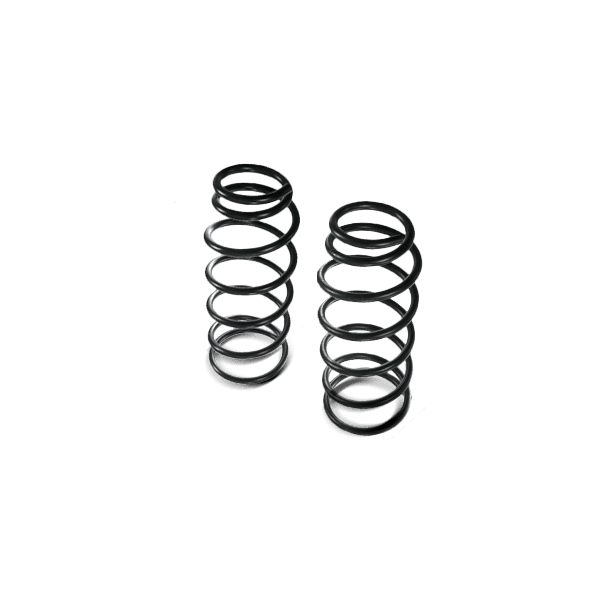
Coil springs: top brands
Springs for leading car makes
Springs for top car models
AUTODOC Bestsellers: Coil springs at a good price
View bestsellersThe top-selling spare parts in the Springs category. Browse our huge wide range of high-quality car parts from top brands in the category Springs and others.
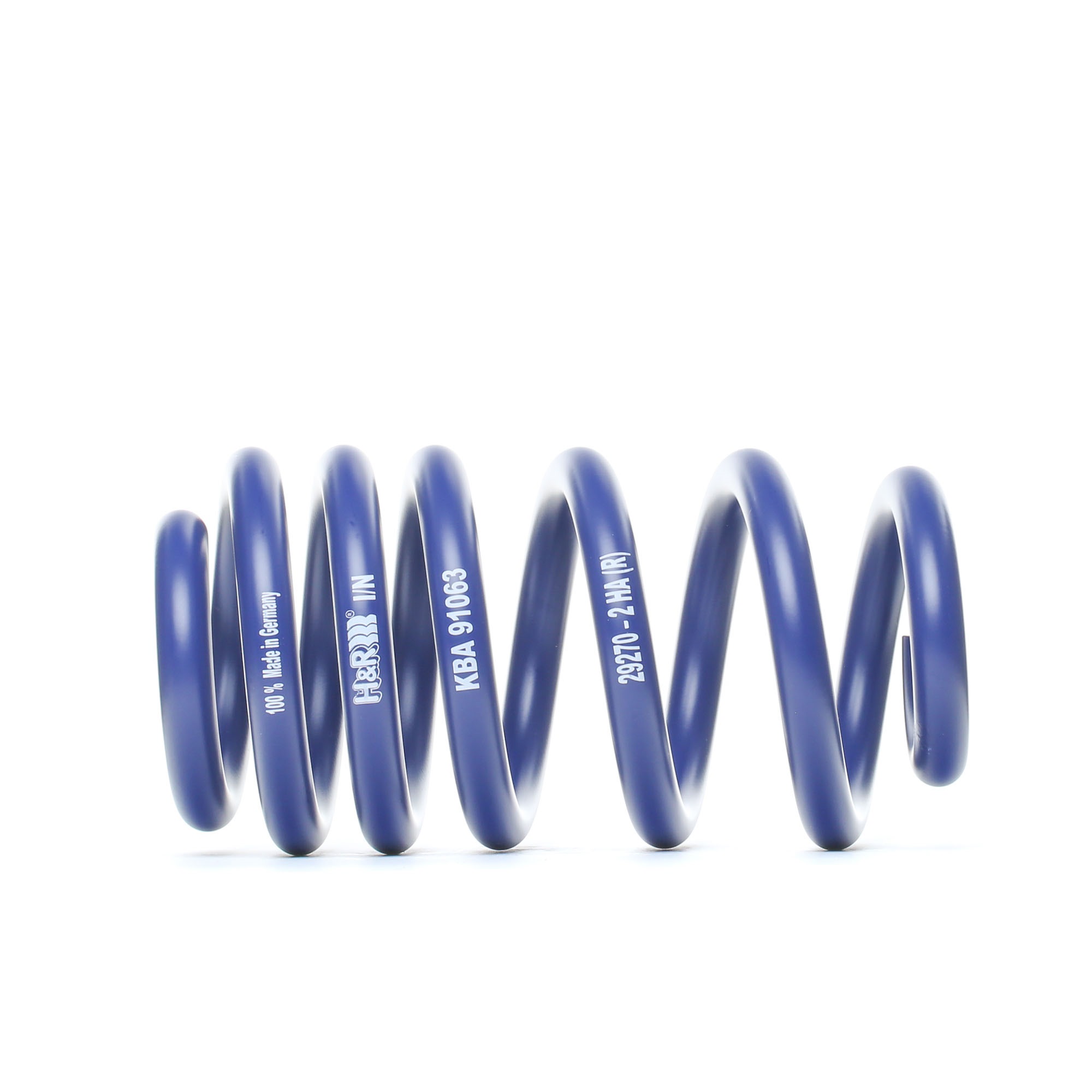 H&R 29270HA2 Lowering springs
40 mm, Rear Axle
H&R 29270HA2 Lowering springs
40 mm, Rear Axle
 EIBACH 211502102 Coil spring
Front Axle, Coil Spring, for vehicles with sports suspension
EIBACH 211502102 Coil spring
Front Axle, Coil Spring, for vehicles with sports suspension
 EIBACH 212000102 Coil spring
Front Axle, Coil Spring, for vehicles with sports suspension
EIBACH 212000102 Coil spring
Front Axle, Coil Spring, for vehicles with sports suspension
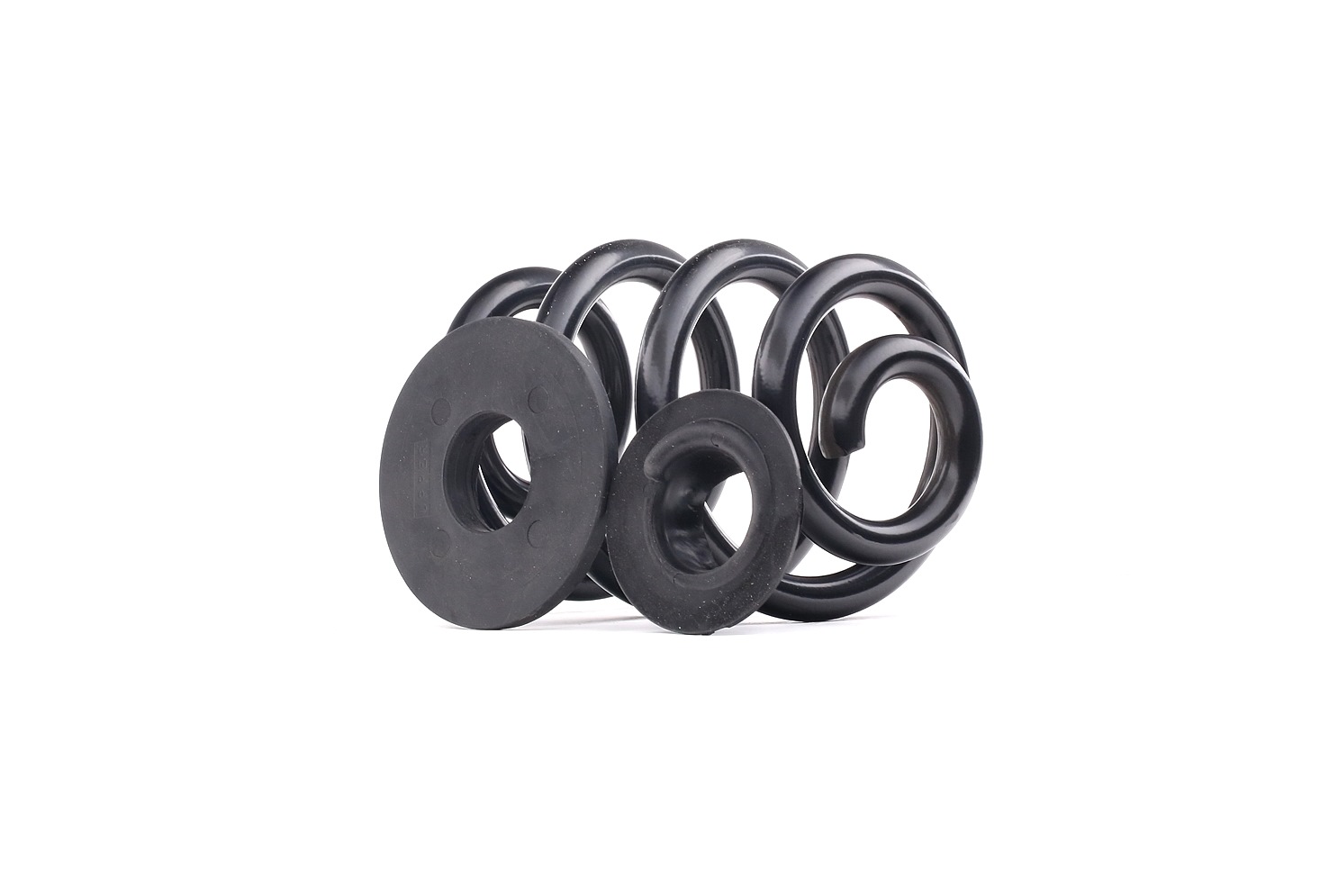 LESJÖFORS 24084350 Coil spring
Rear Axle, Coil spring with constant wire diameter, for vehicles without sports suspension
LESJÖFORS 24084350 Coil spring
Rear Axle, Coil spring with constant wire diameter, for vehicles without sports suspension
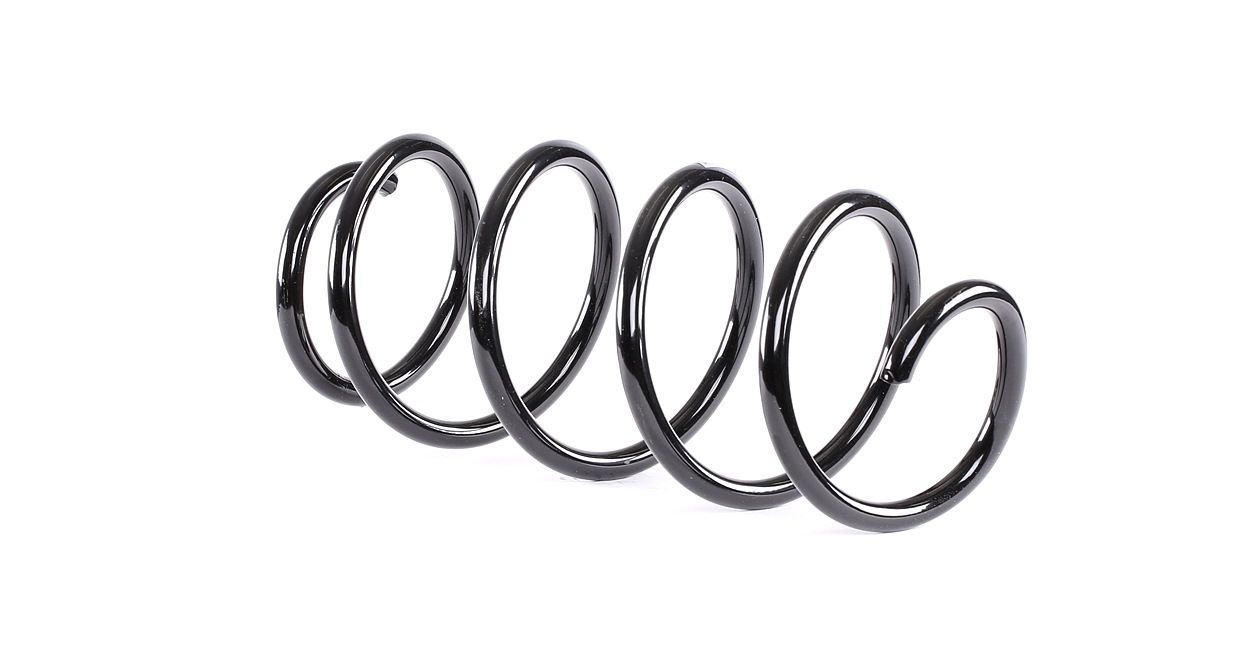 SACHS 993 043 Coil spring
Coil spring with constant wire diameter, Blue (2x), Orange, pink
SACHS 993 043 Coil spring
Coil spring with constant wire diameter, Blue (2x), Orange, pink
 EIBACH 111500715 Coil spring
Rear Axle, Coil Spring, for vehicles with sports suspension
EIBACH 111500715 Coil spring
Rear Axle, Coil Spring, for vehicles with sports suspension
 EIBACH 111500703 Coil spring
Front Axle, Coil Spring, for vehicles with sports suspension
EIBACH 111500703 Coil spring
Front Axle, Coil Spring, for vehicles with sports suspension
 EIBACH 112001301 Coil spring
Front Axle, Coil Spring, for vehicles with sports suspension
EIBACH 112001301 Coil spring
Front Axle, Coil Spring, for vehicles with sports suspension
 EIBACH 211500701 Coil spring
Front Axle, Coil Spring, for vehicles with sports suspension
EIBACH 211500701 Coil spring
Front Axle, Coil Spring, for vehicles with sports suspension
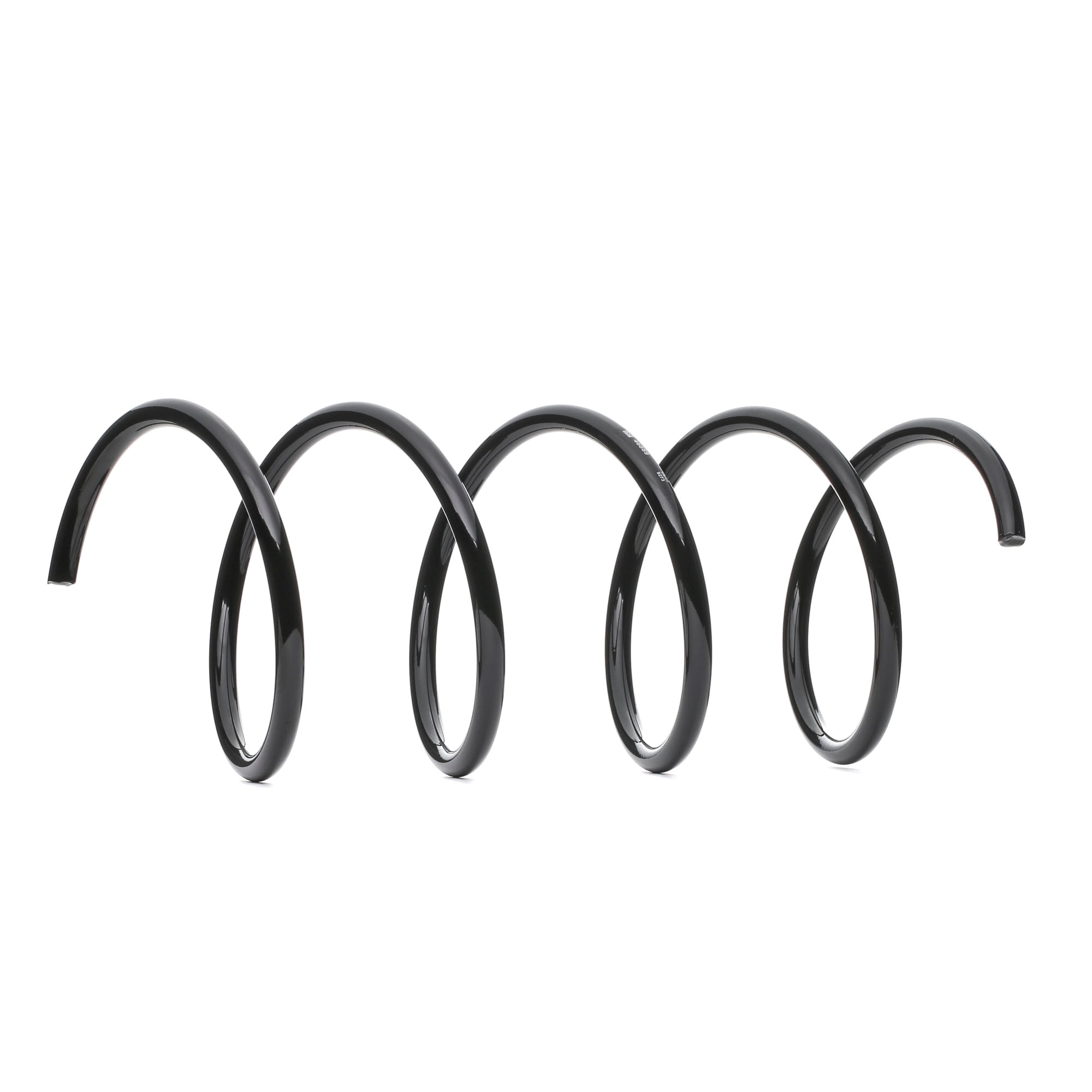 FEBI BILSTEIN 46889 Coil spring
Front Axle
FEBI BILSTEIN 46889 Coil spring
Front Axle
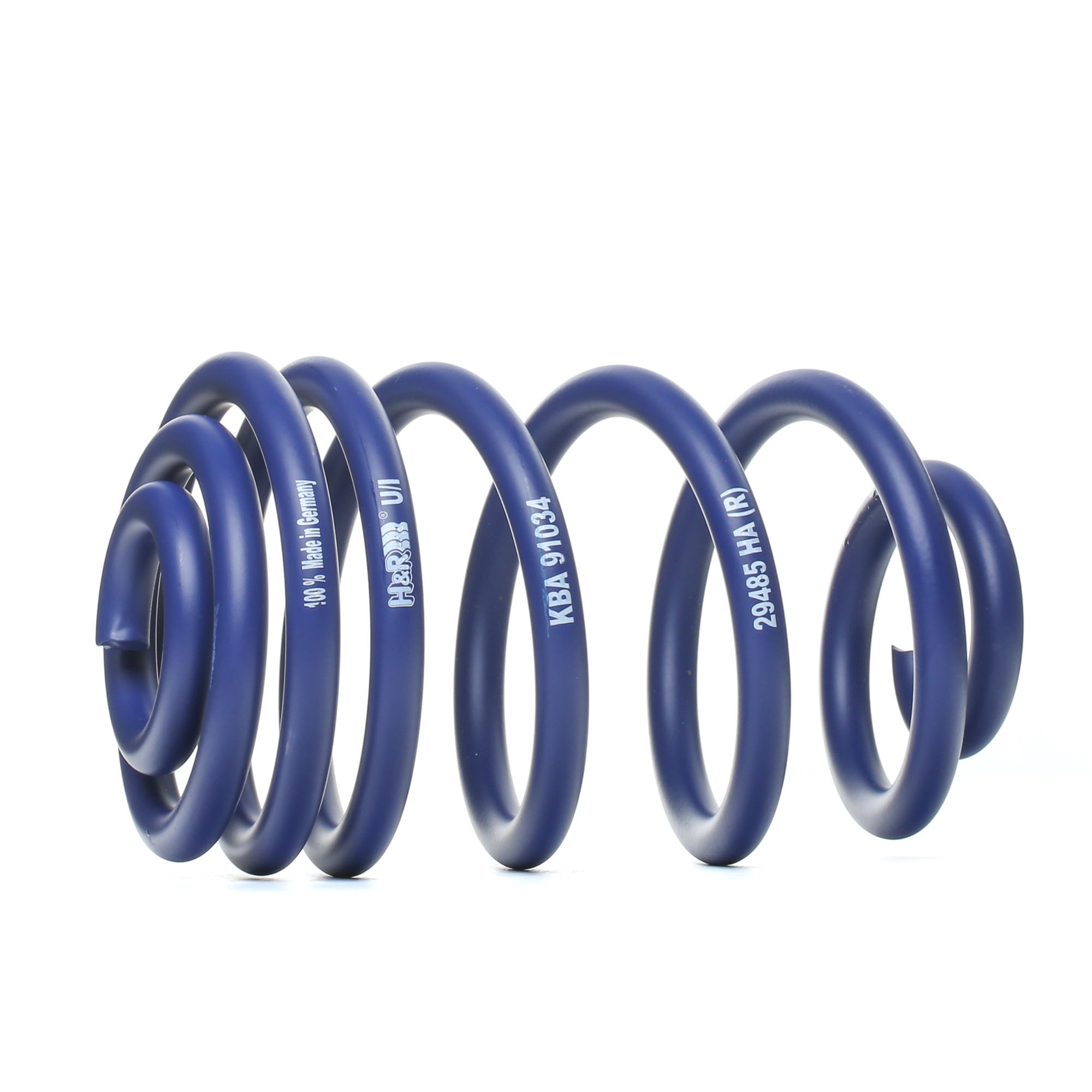 H&R 29485HA1 Lowering springs
20 mm, Rear Axle
H&R 29485HA1 Lowering springs
20 mm, Rear Axle
 FEBI BILSTEIN 39843 Coil spring
Front Axle
FEBI BILSTEIN 39843 Coil spring
Front Axle
 EIBACH 211501101 Coil spring
Front Axle, Coil Spring, for vehicles with sports suspension
EIBACH 211501101 Coil spring
Front Axle, Coil Spring, for vehicles with sports suspension
 SACHS 997 845 Coil spring
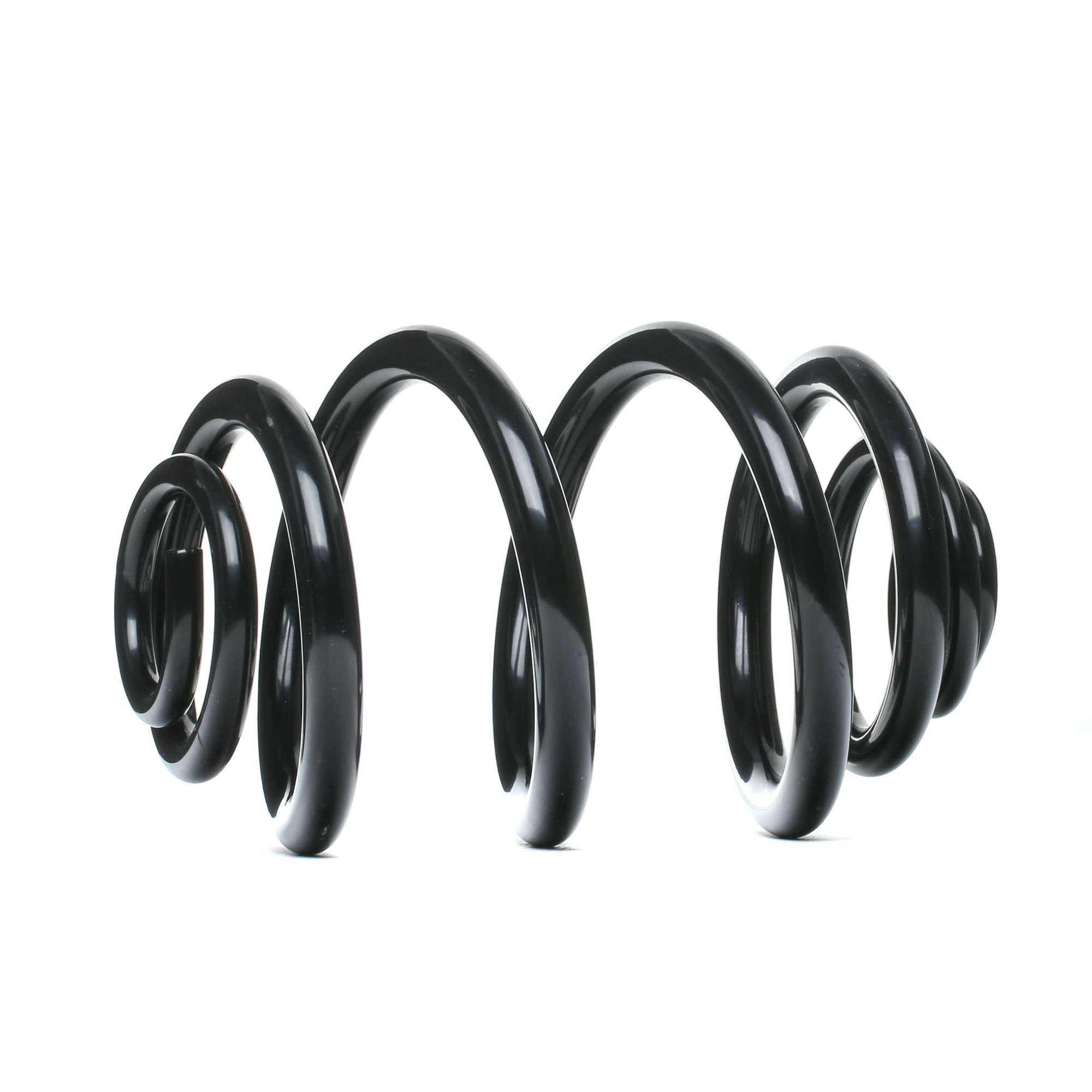 BILSTEIN FE1-C923 Coil spring
Rear Axle
BILSTEIN FE1-C923 Coil spring
Rear Axle
 FEBI BILSTEIN 104737 Coil spring
Front Axle
FEBI BILSTEIN 104737 Coil spring
Front Axle
 DACO Germany 803029 Coil spring
Front Axle, Coil Spring
DACO Germany 803029 Coil spring
Front Axle, Coil Spring
 EIBACH 8539002 Coil spring
Rear Axle, Coil Spring, for vehicles with sports suspension
EIBACH 8539002 Coil spring
Rear Axle, Coil Spring, for vehicles with sports suspension
 MONROE SE3547 Coil spring
Coil spring with constant wire diameter
MONROE SE3547 Coil spring
Coil spring with constant wire diameter
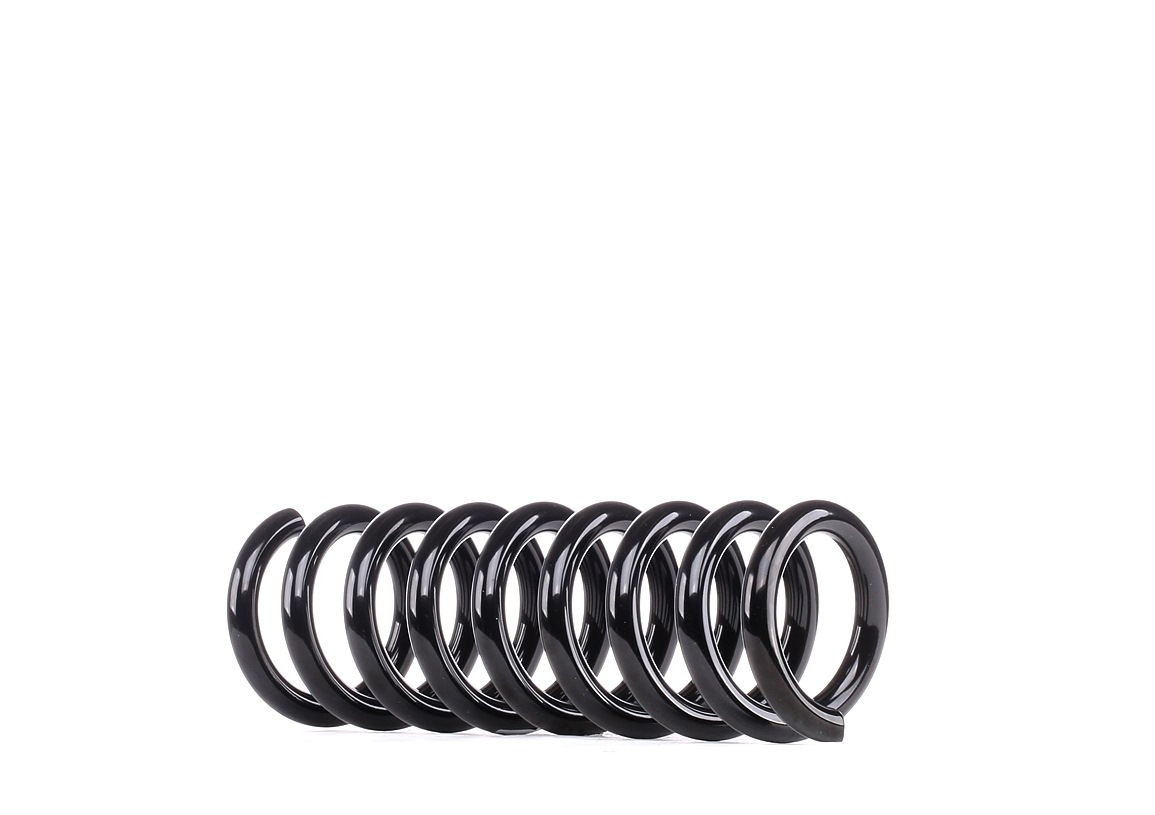 SACHS 994 745 Coil spring
Replacement of Springs: Video repair guide
How to change Rear Springs / Rear Coil Springs / Rear Suspension Springs on VW GOLF 4 TUTORIAL | AUTODOC Top brands that produce Springs: BOSCH, STAR...
Step by Step Video Tutorial for Do-it-yourself Auto Repair. Become an amateur mechanic with Autodoc.
| The bestselling products: | |||||
|---|---|---|---|---|---|
| 72875 | 72843 | 36-250233 | 996 072 | 104737 | R10853 |
| For popular car brands: | |||||
| VW | MERCEDES-BENZ | BMW | AUDI | OPEL | FORD |
| Springs – technical details | |||||
| Length [mm] | Diameter [mm] | Number of coils | |||
| 291 | 391 | 104 | 151,5 | 6,3 | 5,4 |
| 309 | 349 | 92,7/103 | 152 | 8,1 | 9,5 |
| 238 | 337 | 106 | 90 | 8 | 9 |
What is a coil spring?
A coil spring is a key component of a vehicle's suspension system. Depending on the suspension design, it is mounted between the vehicle body and the suspension, either around a strut or separately between the body and a control arm or axle. Its main task is to support the vehicle’s weight, maintain the correct ride height, and absorb loads caused by road irregularities. Without coil springs, every bump and pothole would be transmitted directly to the body, making driving impossible.
The spring works in tandem with a shock absorber: the spring absorbs the impact and compresses, whilst the shock absorber dampens oscillations, preventing the body from swaying. Together, they form the foundation of vehicle comfort and handling. Although coil springs do not have a specific lifespan, experts recommend inspecting them every 20,000 km. Over time, metal fatigue and winter road salt can cause them to sag, corrode, crack, or even snap. If this happens, they should be replaced to ensure safety and avoid problems at the HU.
Design and function
A coil spring is a helical component made of high-strength spring steel wire. When the wheel encounters a bump or uneven surface, it rises and the spring compresses, storing the impact energy. After passing the bump, the spring extends, returning the wheel to its initial position. The shock absorber, located inside the spring or beside it, dampens the resulting oscillations.
Related suspension components
The coil spring does not operate in isolation – it works as part of a complete suspension assembly. The exact design depends on the suspension layout. In MacPherson strut systems, the spring is mounted around the strut and works together with components such as the top mount and bearing. In other designs, the spring and shock absorber may be installed separately.
- Shock absorber. It controls spring oscillations and prevents body sway after driving over bumps or uneven surfaces.
- Spring seat (upper and lower). The mounting points where the spring rests. The upper seat mounts to the vehicle body, while the lower seat attaches to the suspension arm or the shock absorber itself.
- Top mount bearing (strut mount). In front MacPherson strut suspensions, it is installed in the upper mount and allows the strut assembly to rotate smoothly during steering.
- Bump stop. A rubber or polyurethane element protecting the shock absorber during full spring compression.
- Dust cover (dust boot). Protects the shock absorber piston rod from dirt, moisture, and corrosive winter road salt.
How the coil spring works
A standard linear coil spring follows Hooke’s law: the force required to compress the spring is proportional to the distance it is compressed. In simple terms, the more the spring compresses, the greater the force it generates to return to its original shape. It is also common for modern vehicles to use progressive springs, which are designed to increase their stiffness the further they are compressed.
- The wheel encounters a bump or uneven surface and moves upwards.
- The spring compresses, absorbing impact energy and reducing the force transmitted to the body.
- The shock absorber converts the kinetic energy of the oscillations into heat, damping body movement.
- After passing over the bump, the stored energy causes the spring to extend, pushing the wheel back down to maintain contact with the road surface.
- The shock absorber also damps the reverse oscillation, helping to maintain stable ride behaviour.
Spring stiffness is determined by its spring rate, measured in Newtons per millimetre (N/mm). Softer springs improve ride comfort, while stiffer springs can improve handling and high-speed stability.
Types of coil springs
The market offers several types of automotive coil springs, each designed for specific operating conditions and vehicle types. The choice depends on the vehicle’s purpose, driving style, and budget. Before purchasing coil springs for a car, it is important to understand the features of each option.
Standard coil springs
OE-style replacement springs designed to provide a balanced compromise between comfort and handling in everyday use.
Characteristics:
- Material: spring steel (chrome-vanadium or chrome-silicon)
- Stiffness: medium, selected by the manufacturer for a specific model
- Ground clearance: standard for model
- Price: typically around €35–€90 per unit for many common aftermarket applications
Recommended for: everyday urban and motorway driving, standard operating conditions.
Heavy-duty coil springs
These springs feature increased stiffness and wire thickness compared to standard versions. They are designed for vehicles operating in demanding conditions.
Characteristics:
- Stiffness: 15–30% higher than standard
- Wire diameter: increased by 1–2 mm
- Price: typically around €75–€300 per unit
Advantages:
- Stability when carrying heavy loads and towing trailers
- Greater durability compared to standard springs
- Maintain ground clearance when fully loaded
Disadvantages:
- Stiffer ride when empty
- More expensive than standard springs
Recommended for: minivans, SUVs, and vehicles frequently carrying heavy loads.
Sport (Lowering) springs
These are shortened springs with increased stiffness, designed to reduce ground clearance by 20–40 mm. Lowering the centre of gravity improves handling at high speeds.
Characteristics:
- Lowering: 20–40 mm from the standard level
- Stiffness: 20–40% higher than standard
- Price: around €160–€300 per kit (typically sold as a set of 4)
Advantages:
- Improved handling and cornering stability
- Reduced body roll during manoeuvres
- A sportier vehicle appearance
Disadvantages:
- Reduced comfort – firmer ride on bumps and uneven surfaces
- May increase shock absorber wear if used with unsuitable dampers
- Risk of underbody scraping on speed bumps or steep inclines
- An Änderungsabnahme is required for springs supplied with a Teilegutachten. Springs with an ABE are usually exempt, provided the vehicle otherwise remains in the approved standard configuration.
Recommended for: sport driving, tuning, track days. Also suitable for everyday driving if the reduced ride comfort and ground clearance are acceptable to the owner.
Progressive coil springs
These have a variable coil pitch, so the spacing between coils changes along the spring. Spring stiffness increases with compression: soft on small irregularities, stiffer under greater compression.
Characteristics:
- Variable stiffness: from soft to stiff depending on load
- Price: around €50–€130 per unit
Advantages:
- Comfort on small bumps and uneven surfaces, combined with stability under heavy loads
- Versatile performance across different driving conditions
Disadvantages:
- More expensive than standard springs
- More difficult to select the correct type for a specific model
Recommended for: premium vehicles, SUVs, and drivers who want a balance of comfort and handling.
Front and rear coil springs: What's the difference?
Front and rear coil springs differ in construction, stiffness, and dimensions. These differences result from the vehicle’s weight distribution, suspension design, and the different loads acting on the front and rear axles. When purchasing replacement springs, it is important to know exactly which axle the part is intended for.
Front Coil Springs
On many front-wheel-drive vehicles, the front axle carries more of the vehicle’s weight because of the engine and gearbox location. As a result, front springs are often stiffer and may differ in size and design from the rear springs. They must withstand not only the static load but also dynamic load transfer during braking.
Because they often operate under higher loads, front springs may be subject to greater wear. However, their service life depends on their physical condition rather than a fixed replacement interval.
Rear Coil Springs
Rear springs are matched to the rear axle load and suspension design. They help provide ride comfort and must also cope with changing loads when the boot or rear of the vehicle is loaded.
Like front springs, they do not have a scheduled replacement interval. Their service life depends on load, road conditions, and corrosion exposure.
Important: Front and rear springs are not interchangeable. They have different spring rates, lengths, diameters, and mounting dimensions. Installing the wrong spring will lead to incorrect ride height, altered suspension geometry, poorer handling, and problems during technical inspection in Germany.
Coil spring colour coding
At the factory, some springs are marked with coloured stripes or dots. These markings can help identify the exact spring specification and support correct replacement selection. However, the marking system varies by manufacturer, and some springs are identified by printed production or batch numbers instead.
What the colour encodes:
- Exact spring specification. Springs that look similar may still differ in spring rate, length, diameter, or load class.
- The vehicle configuration it matches. The correct spring may depend on the engine, drivetrain, body style, and factory equipment.
- The correct replacement part. The marking can help narrow down the right spring, but the final check should always be made using the VIN or the manufacturer’s parts catalogue.
Example: On a VW Golf, original equipment (OE) springs feature combinations of paint marks to identify a specific spring specification in the manufacturer’s parts catalogue, linked to the vehicle’s equipment and load class. Each manufacturer has its own marking system.
Service life and wear
Unlike filters or oil, coil springs do not have a scheduled replacement interval based on mileage or age. However, wear occurs gradually – over time, springs can lose their spring force, sag, and may eventually break. Coil springs should be checked visually at every service, whenever the wheels are removed, after severe impacts, and whenever there are signs such as uneven ride height, noise, corrosion, or a broken coil. Your driving environment will ultimately determine how quickly these parts wear out.
| Operating conditions | Impact on spring wear |
|---|---|
| Good roads (Autobahn, motorway) | Maximum lifespan; minimal dynamic stress on the metal |
| Mixed conditions (urban + motorway) | Standard wear; regular compression cycles from speed bumps and city driving |
| Poor roads (potholes, uneven surfaces) | Accelerated wear; increased risk of fatigue damage and micro-cracks after repeated harsh impacts |
| Aggressive driving, overload | Severe stress; increased risk of sagging, fatigue, and spring breakage |
| Salt and winter treatments | High corrosion risk; rust damages the protective coating and can lead to spring breakage, often near the ends |
Factors influencing service life
The actual service life of a spring depends on numerous variables, and the variation can be significant even between identical vehicles.
- Road quality. Frequent driving on unpaved routes or poorly maintained, rough surfaces creates continuous impact loads, significantly accelerating metal fatigue.
- Corrosion. Road salt and winter treatments damage the spring's protective coating.
- Driving style. Aggressive cornering, harsh braking, and failing to slow down for speed bumps dramatically increase the dynamic stress on the suspension.
- Vehicle overload. Constantly driving fully loaded or exceeding the payload limit shortens service life and causes premature sagging.
- Shock absorber wear. A faulty shock absorber fails to damp oscillations properly, increasing stress on the spring and accelerating wear.
- Installation errors. Incorrect installation, such as improper spring seating, damage to the protective coating during fitting, or failure to replace worn related components when necessary, can shorten the spring's service life.
- Material quality. Premium brand springs (e.g., Eibach, Lesjöfors, Bilstein) use higher-grade steel and superior anti-corrosion coatings, often lasting significantly longer than budget alternatives.
Coil spring malfunction signs (defect symptoms)
You can recognise a failing coil spring by looking out for specific characteristic signs that manifest during driving and visual inspection.
Visual signs:
- One corner of the vehicle sagging. Uneven ride height may indicate a sagging or broken spring.
- Visible crack or broken coil. During a visual inspection from under the wheel arch, a ruptured coil or snapped pigtail is clearly visible.
- Spring corrosion. Deep rust, flaking coating, or advanced corrosion can indicate an increased risk of spring failure.
- Uneven tyre wear. One side of the tyre tread wears faster because the sagged spring has altered the suspension geometry.
Driving signs:
- Knocking and clanging over bumps. A metallic noise from the wheel area when driving over potholes or speed bumps may indicate a broken spring or another suspension fault.
- Pulling to one side. The vehicle may pull to the left or right during straight-line driving if the ride height is uneven.
- Increased braking distance. Sagging springs can adversely affect tyre contact and overall braking stability.
- Suspension bottoming out. When driving over larger bumps, the suspension may bottom out and produce a dull impact noise.
Broken coil spring: Can you continue driving?
A broken coil spring is a serious defect. Driving with a broken spring is unsafe and should be avoided.
If a spring breaks, the vehicle may sag on one side, the suspension geometry may be altered, and the wheel or tyre may contact nearby body or suspension components. Broken spring fragments can also damage the tyre, brake hose, or shock absorber. Handling, braking stability, and ride comfort may deteriorate significantly.
What to do if a broken spring is discovered:
- Stop as soon as it is safe to do so.
- Call a recovery service to have the vehicle transported safely to a garage.
- Have the vehicle inspected and repaired before it is driven again.
Important: A broken spring can make the vehicle unroadworthy and will usually lead to failure during technical inspection in Germany. Serious suspension defects can result in an HU failure depending on the defect classification.
Coil spring replacement
Coil spring replacement is a safety-critical job that requires special tools and experience. Replacement cost depends on the vehicle model and suspension type. The main danger is that a compressed spring stores significant energy, and incorrect handling can lead to serious injury. This work should be entrusted to qualified mechanics. The following overview outlines the standard workshop procedure for informational purposes.
Tools required
Spring replacement requires specialised equipment to ensure safe working conditions.
- Spring compressor. A mandatory tool for safe spring compression. Depending on the design, mechanical or hydraulic spring compressors may be used.
- Jack and axle stands. The vehicle must be reliably secured.
- Socket and spanner set. Sizes depend on vehicle model.
- Torque wrench. Used to tighten fasteners to the specified torque.
Replacement process
The replacement procedure varies depending on the vehicle model and suspension design. The sequence below shows a typical example for a front MacPherson strut suspension layout. Manufacturer repair instructions must always be followed.
Preparation:
- Park the vehicle on a level surface and apply the handbrake.
- Loosen the wheel bolts while the vehicle is still on the ground.
- Raise the vehicle and support it securely on axle stands.
- Remove the wheel.
Removal (typical front MacPherson strut layout):
- Disconnect the anti-roll bar (stabiliser) drop link from the strut if required.
- Release any brackets or fixings for the brake hose and ABS sensor wire as required.
- Unbolt the bottom of the strut from the steering knuckle.
- Undo the upper strut mounting nuts at the body.
- Remove the complete strut assembly.
- Fit a spring compressor and compress the old spring until the upper mount is unloaded.
- Undo the shock absorber rod nut, then remove the upper mount and the old spring.
Installation:
- Using the spring compressor, compress the new spring as required and fit it in the correct position, ensuring it is properly seated in the lower spring seat.
- Refit the upper mount and bearing, replacing worn components where necessary.
- Fit the shock absorber rod nut and tighten it to the vehicle manufacturer’s specified torque.
- Carefully remove the spring compressor and double-check that the spring remains correctly seated at both the top and bottom.
- Reinstall the strut assembly into the vehicle and tighten all mounting bolts to specification.
- Reinstall the wheel and tighten the wheel bolts in the correct sequence to the manufacturer’s specified torque.
Important rules when replacing
Observing a few key rules during spring replacement ensures safety and the longevity of the new parts.
- Replace springs in pairs. If one spring on an axle has failed, you must replace both. A new spring paired with an old one will have a different stiffness and height, causing body roll and making the vehicle pull to one side.
- Wheel alignment should be checked. Installing new springs can affect wheel geometry, and verifying the alignment after the work is complete helps to prevent uneven tyre wear.
- Check shock absorbers. A worn shock absorber can increase stress on the spring and reduce overall suspension performance. If the dampers show signs of wear, leakage, or advanced age, replacement should be considered at the same time.
- Inspect the top mounts and bearings. These components should be checked whenever the strut is dismantled. If they are worn or noisy, replacing them at the same time can help avoid repeated labour later.
- Never work without a spring compressor. A compressed spring stores significant energy, and incorrect handling can cause serious injury. Improvised devices must not be used.
Coil spring costs in Germany
Coil spring prices in Germany vary depending on the spring type, vehicle class, and manufacturer. Before purchasing replacement springs, it is useful to understand the current price ranges on the German market.
Spring prices by type
The cost of a coil spring depends on its type and application. Because springs should be replaced in pairs on the same axle, the expected cost for two units should also be taken into account. The figures below are approximate current price ranges for the German market.
| Spring type | Price per unit | Price basis | Application |
|---|---|---|---|
| Standard | €35–€90 | per spring | Most passenger vehicles |
| Heavy-duty | €75–€300 | per spring | Heavily loaded vehicles, vans, SUVs |
| Sport (lowering) | €160–€300 | per kit (set of 4) | Lowered road cars, tuning |
| Progressive | €50–€130 | per spring | Comfort- and load-sensitive applications |
Approximate cost of professional replacement
The total cost of coil spring replacement includes the parts price, workshop labour, and, in many cases, a wheel alignment check. Labour time varies depending on the vehicle model, suspension design, and the condition of the fasteners and surrounding components.
| Vehicle Type | Springs (2 pcs) | Labour | Alignment | Total per axle |
|---|---|---|---|---|
| Small cars | €70–€180 | €150–€250 | €60–€100 | €280–€530 |
| Mid-size cars | €80–€220 | €180–€300 | €60–€120 | €320–€640 |
| Premium cars | €120–€300 | €220–€400 | €70–€130 | €410–€830 |
| SUVs | €150–€400 | €250–€450 | €70–€150 | €470–€1,000 |
Price influencing factors
The final replacement cost depends on several key factors:
- Vehicle make and model. Springs for premium or larger vehicles usually cost more than for small mass-market cars.
- Suspension type. More complex suspension layouts generally require more labour than a typical MacPherson strut setup.
- Spring brand. Premium brands such as Eibach or Bilstein often cost more than budget alternatives.
- Workshop type. Official dealers are usually more expensive than independent workshops.
- Related work. Replacing top mounts or bearings, as well as dust boots and bump stops, can increase the total cost.
Well-known coil spring brands
The German market offers coil springs from many well-known brands. Prices vary depending on the spring type, vehicle application, and brand positioning. The figures below reflect typical current retail prices in Germany for common aftermarket coil springs for passenger cars. Performance, heavy-duty, and other specialist springs may cost more.
| Brand | Country | Price (per unit) | Key characteristic |
|---|---|---|---|
| Eibach | Germany | €50–€120 | Performance-focused suspension brand; known for Pro-Kit and Sportline spring ranges |
| Bilstein (ThyssenKrupp) | Germany | €30–€60 | B3 OE Replacement springs manufactured to OE specifications |
| Lesjöfors | Sweden | €25–€60 | Very broad aftermarket spring range, including heavy-duty applications |
| Sachs (ZF) | Germany | €30–€60 | Established German aftermarket brand under ZF |
| KYB | Japan | €25–€65 | Large OE and aftermarket suspension specialist; European coil spring production |
| Monroe (Tenneco) | Belgium | €25–€45 | OE-style replacement range with broad European market coverage |
| Mapco | Germany | €20–€35 | Value-oriented aftermarket brand with broad coverage |
| Ridex | Germany | €15–€25 | AUTODOC private label aimed at the budget segment |
Brand recommendations:
- For premium and performance-oriented buyers: Eibach, Bilstein – high-quality brands with strong OE and suspension expertise.
- For a strong balance of price and quality: Lesjöfors, Sachs, KYB, Monroe – established aftermarket brands with broad coverage for common passenger-car applications.
- For budget-focused repairs: Mapco, Ridex – lower-cost options for buyers prioritising price.
OEM vs original parts
When purchasing coil springs in Germany, buyers usually choose between original parts from the vehicle manufacturer and OE-quality aftermarket parts from independent manufacturers. Original parts are sold through the vehicle brand’s parts network, while OE-quality aftermarket springs are designed to match the original application. Depending on the vehicle and brand, original parts are often more expensive.
| Type | Advantages | Disadvantages |
|---|---|---|
| Original | Exact vehicle-specific specification, brand-backed parts supply, straightforward catalogue matching | Usually more expensive, often sold mainly through authorised dealer channels |
| OE-quality aftermarket | Usually cheaper, wide availability, broad brand choice, often manufactured by the exact same companies that supply the car brands | Quality and corrosion protection depend more strongly on the manufacturer and product line, no vehicle brand packaging |
Choose original parts if the vehicle is still within the manufacturer’s service / warranty ecosystem, or original-brand parts are specifically required.
Choose OE-quality parts if the vehicle is no longer tied to the manufacturer’s service network and the goal is to reduce cost while maintaining a suitable quality standard.
Coil spring protective coating
Corrosion is one of the main causes of coil spring failure. Road salt and winter treatments damage the protective coating and accelerate corrosion, creating weak points that can eventually lead to breakage. Protective coating significantly extends spring service life.
Factory-applied corrosion protection:
- Powder coating. A common, durable protective finish used on the majority of aftermarket coil springs.
- Zinc-phosphate pretreatment. Used by premium manufacturers to improve corrosion resistance before the final paint or epoxy coating is applied.
- Manufacturer-specific coating systems. Some brands use multi-stage anti-corrosion processes with additional surface preparation or coating layers.
Additional treatment. For vehicles operated in regions with heavy winter salt use, mechanics often add extra protection during installation by fitting plastic sleeves over the lower coils or applying anti-rust wax directly to the spring seat.
German roadworthiness requirements
In Germany, the condition of coil springs is relevant to the vehicle’s roadworthiness. Broken, badly corroded, or incorrectly fitted springs can lead to failure during the periodic roadworthiness inspection (HU), depending on the severity of the defect.
HU requirements
During the periodic technical inspection (HU), the inspector checks suspension components for defects that affect road safety. In the case of coil springs, this includes checking for:
- no visible cracks or breaks
- no severe corrosion that weakens the integrity of the spring
- correct seating of the spring in its upper and lower mounts
- proper approval documents (such as an ABE or Teilegutachten) for any non-standard aftermarket suspension modifications or lowering springs
Substantial defect: A broken spring, severe corrosion, or an incorrectly seated spring will usually result in the HU sticker not being issued. The defect must be remedied, and the vehicle must be presented for reinspection within one month. In serious cases involving a direct traffic danger, stricter consequences may apply.
Standards and certification
Coil springs must comply with the applicable roadworthiness and approval requirements in Germany.
- StVZO §§ 19 and 30 (Straßenverkehrs-Zulassungs-Ordnung). § 30 covers the vehicle’s general technical condition, while § 19 is particularly relevant if suspension components are modified.
- ABE or Teilegutachten. For non-standard springs (sport, lowering), the relevant approval documents must be available for the specific vehicle model. Depending on the document type, an additional inspection may also be required after installation.
- Spring manufacturing standards may apply, but for motorists the key point is whether the springs are approved for use on the specific vehicle in Germany.
Important: Installing sport or lowering springs without the required documentation (ABE/Teilegutachten) can affect the vehicle’s road legality in Germany. If this is identified during the HU, the vehicle may fail the inspection and the defect must be rectified before the vehicle can be approved for road use.
How faulty coil springs can affect roadworthiness
| Situation | Consequences |
|---|---|
| Driving with broken coil spring | The vehicle may fail the HU and, if judged unsafe, must not be driven until repaired |
| Non-standard springs without ABE/Teilegutachten | The vehicle may fail the HU, the Betriebserlaubnis (operating permit) may lapse, and fines may apply |
| Accident with faulty suspension | Insurance cover may be reduced or disputed, and legal consequences are possible |
Owner responsibility: Under German law, the vehicle keeper is responsible for ensuring that the vehicle remains roadworthy, that defects are remedied without delay, and that any modified components comply with the applicable approval and HU requirements.
Frequently Asked Questions (FAQ)
Can I drive with a broken coil spring?
No, it is extremely dangerous. A broken spring severely alters handling, and the jagged metal can instantly puncture your tyre or sever a brake line. Stop safely at the first opportunity and call a tow truck.
How much does broken spring replacement cost?
Replacing a pair of springs typically costs between €280 and €640 per axle, including parts, labour, and a wheel alignment. For premium vehicles and large SUVs, the total cost can reach up to €1,000.
Must both springs be replaced when one breaks?
Yes, this is a strict mechanical rule. You must always replace springs in pairs across an axle. If one has broken, the other is likely close to failing. Mixing a brand-new, stiff spring with an old, worn one will cause body roll and make the vehicle pull to one side.
What does spring colour marking mean?
Factory colour marks typically indicate a spring's stiffness and load rating. However, there is no universal standard, and many aftermarket parts use printed numbers instead. You must always match the colour code or part number across an axle. Because systems vary so much, always use your VIN to find the correct replacement.
Must shock absorbers be replaced when replacing springs?
No, it is not strictly mandatory. However, it is highly recommended if your shock absorbers are older or showing signs of wear. Because the mechanic must completely disassemble the strut to change the spring, replacing both at the same time saves you paying for the exact same labour later.
Can sport (lowering) springs be installed?
Yes, provided they are approved for the specific vehicle and supplied with the required documentation, such as an ABE or Teilegutachten. Depending on the document type, an additional inspection may also be required after installation. Without the proper documentation, the vehicle may fail the HU, and the Betriebserlaubnis may lapse.
Why do coil springs break more often in winter?
Road salt and winter road treatments can damage the protective coating and accelerate corrosion. Corrosion pits then act as stress concentration points, which can lead to fatigue cracks and spring failure. Low temperatures can also reduce the steel’s toughness, making cracks more likely to develop. Winter conditions therefore increase the risk of coil spring failure.
What is a spring compressor, and why is it needed?
A spring compressor is a special tool used to compress a coil spring safely during removal and installation. A compressed spring stores a large amount of energy, so working without a compressor is extremely dangerous and may lead to serious injuries. Basic mechanical spring compressors typically cost from around €30–€150, while professional workshop-grade tools can cost considerably more.
Is wheel alignment adjustment needed after spring replacement?
Wheel alignment is often recommended after spring replacement and may be necessary depending on the vehicle design and the work carried out. New springs can change suspension height and wheel geometry. Without adjustment, tyres may wear unevenly (inner or outer edge), and the vehicle may pull to the side. Wheel alignment typically costs around €60–€150 in Germany, depending on the vehicle class and workshop.
How to protect coil springs from corrosion?
In winter, it helps to wash the underbody occasionally to remove road salt and dirt. When installing new springs, follow the manufacturer’s instructions and avoid damaging the factory protective coating. Choose springs with a corrosion-resistant factory finish from a reputable manufacturer. Inspect the springs regularly for coating damage and corrosion, especially after winter.
Can springs from another vehicle model be fitted?
Not recommended. Each coil spring is designed for a specific model or vehicle application, taking into account vehicle weight, load distribution, and suspension design. Installing an unsuitable spring can affect ride height, wheel geometry, handling, and tyre wear, and may cause the vehicle to fail the HU. Select springs by VIN or the parts catalogue for the exact vehicle application.
How long do coil springs usually last?
Coil springs do not have a fixed service life. They often last well over 100,000 km, but their lifespan depends on road conditions, vehicle load, driving style, and exposure to corrosion, especially in winter. Springs should be replaced if they are cracked, broken, heavily corroded, or have sagged noticeably.
What happens if you do not replace a sagging coil spring?
A sagging coil spring reduces ground clearance, can affect wheel geometry, and may cause uneven tyre wear, poorer handling, and longer braking distances. The suspension is also more likely to bottom out over bumps, placing extra stress on other suspension components. If left untreated, the spring may eventually break, which can lead to higher repair costs.
Do coil springs come with a lifetime warranty?
No, almost never. In Germany, they typically fall under the standard 2-year statutory warranty (Gewährleistung), though some premium brands may offer extended 3- to 5-year terms.

Confidence in online shopping! You can return springs without explanation within 200 days after purchase and get your money back. How? Just use the Safe Order service on the checkout page. The service cost is only 2,99 €.

Each order from 120,00 € value of goods, include free shipping within Germany.
*Does not apply to large-size auto parts.

