
Brake calipers rear and front for car
Order Brake calipers rear and front at a fair price
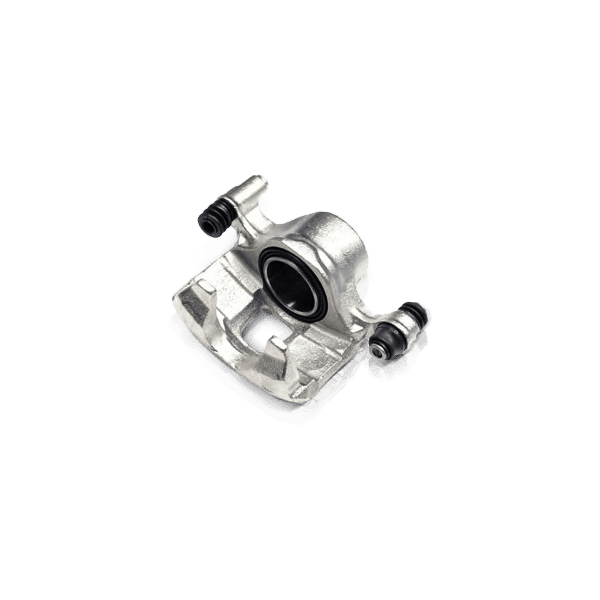
Caliper: top brands
Brake calipers for leading car makes
Brake calipers for top car models
AUTODOC Bestsellers: Caliper at a good price
View bestsellersThe top-selling spare parts in the Brake calipers category. Browse our huge wide range of high-quality car parts from top brands in the category Brake calipers and others.
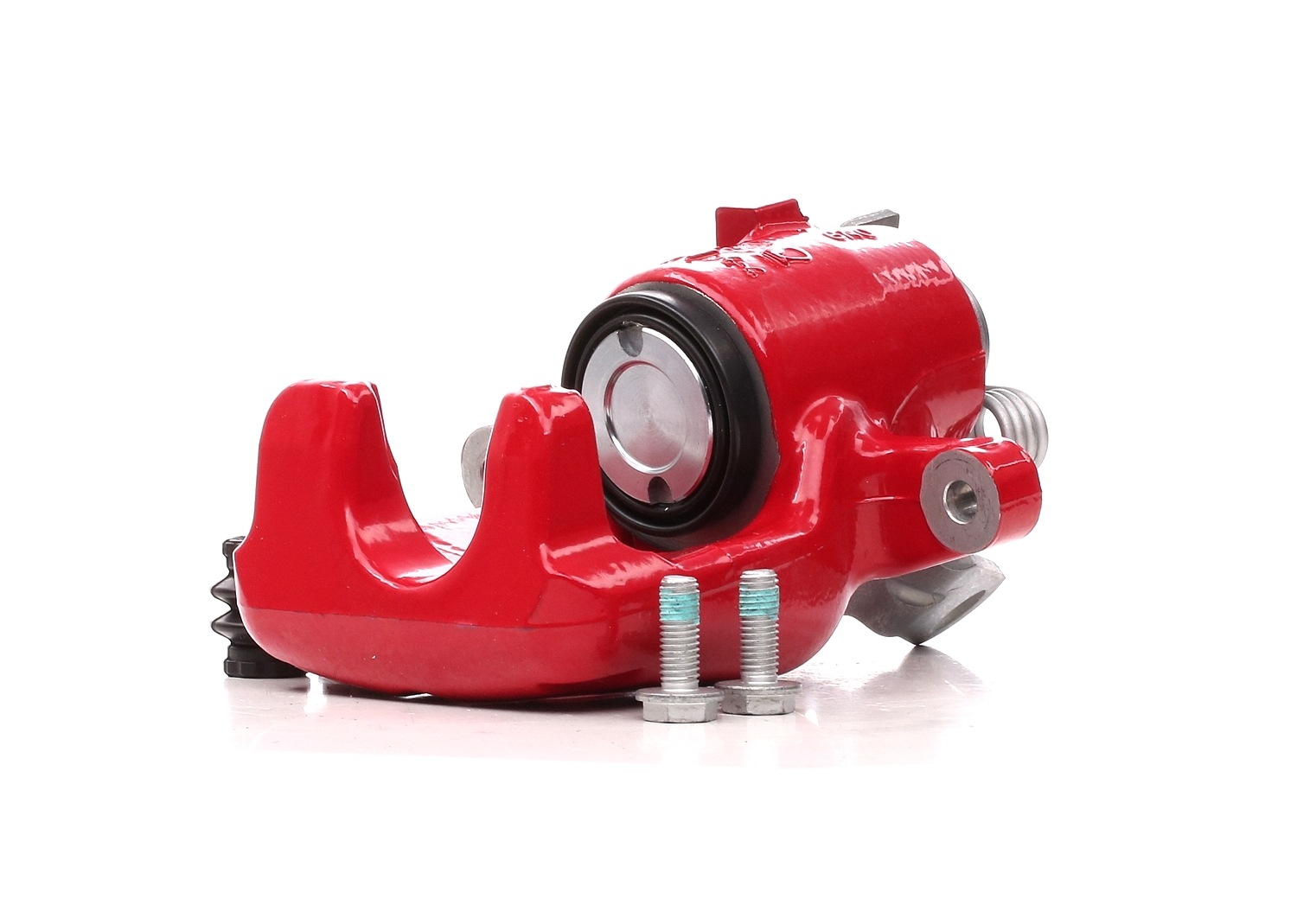 ATE 240878 Brake caliper
red, Aluminium, without holder
ATE 240878 Brake caliper
red, Aluminium, without holder
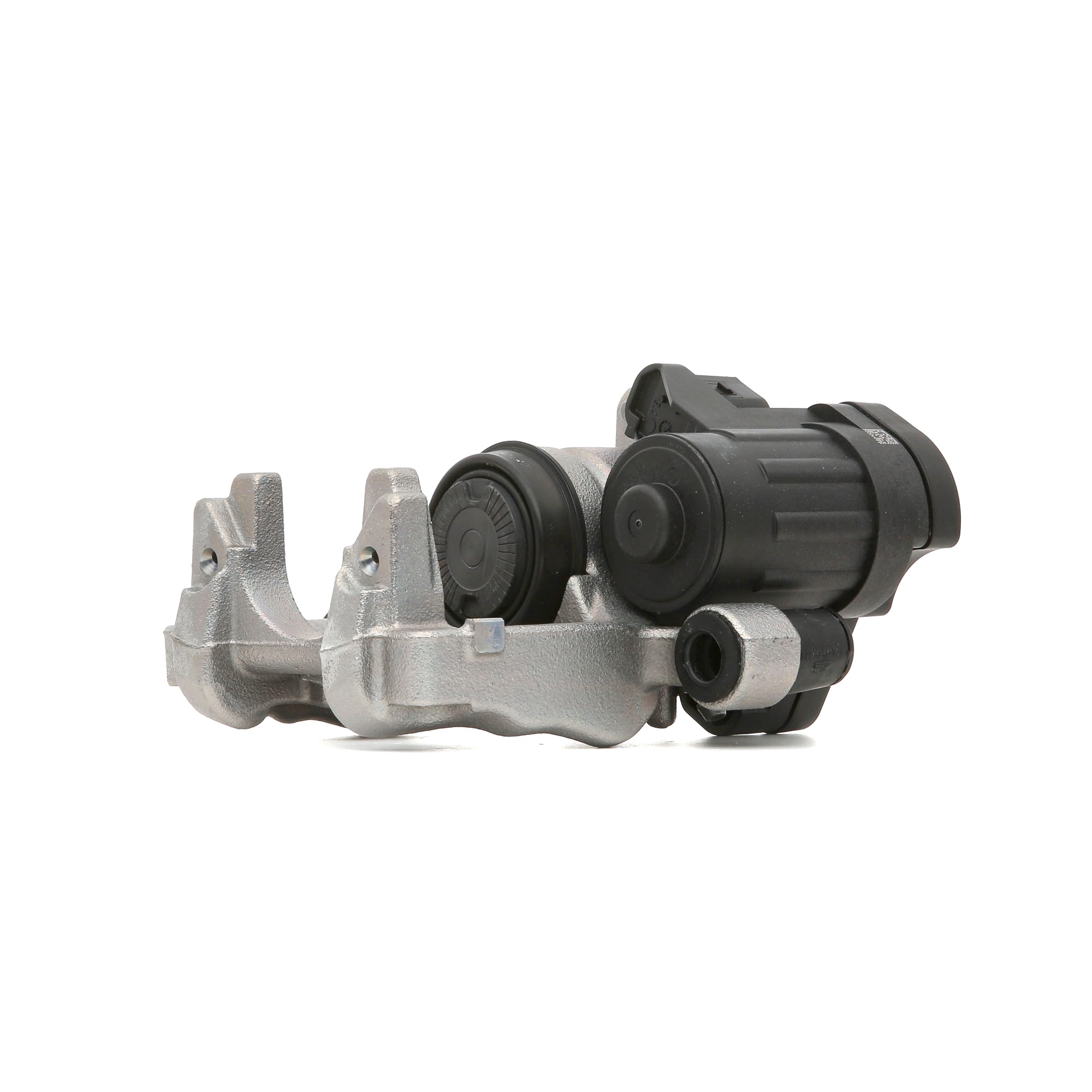 ATE 241182 Brake caliper
without holder
ATE 241182 Brake caliper
without holder
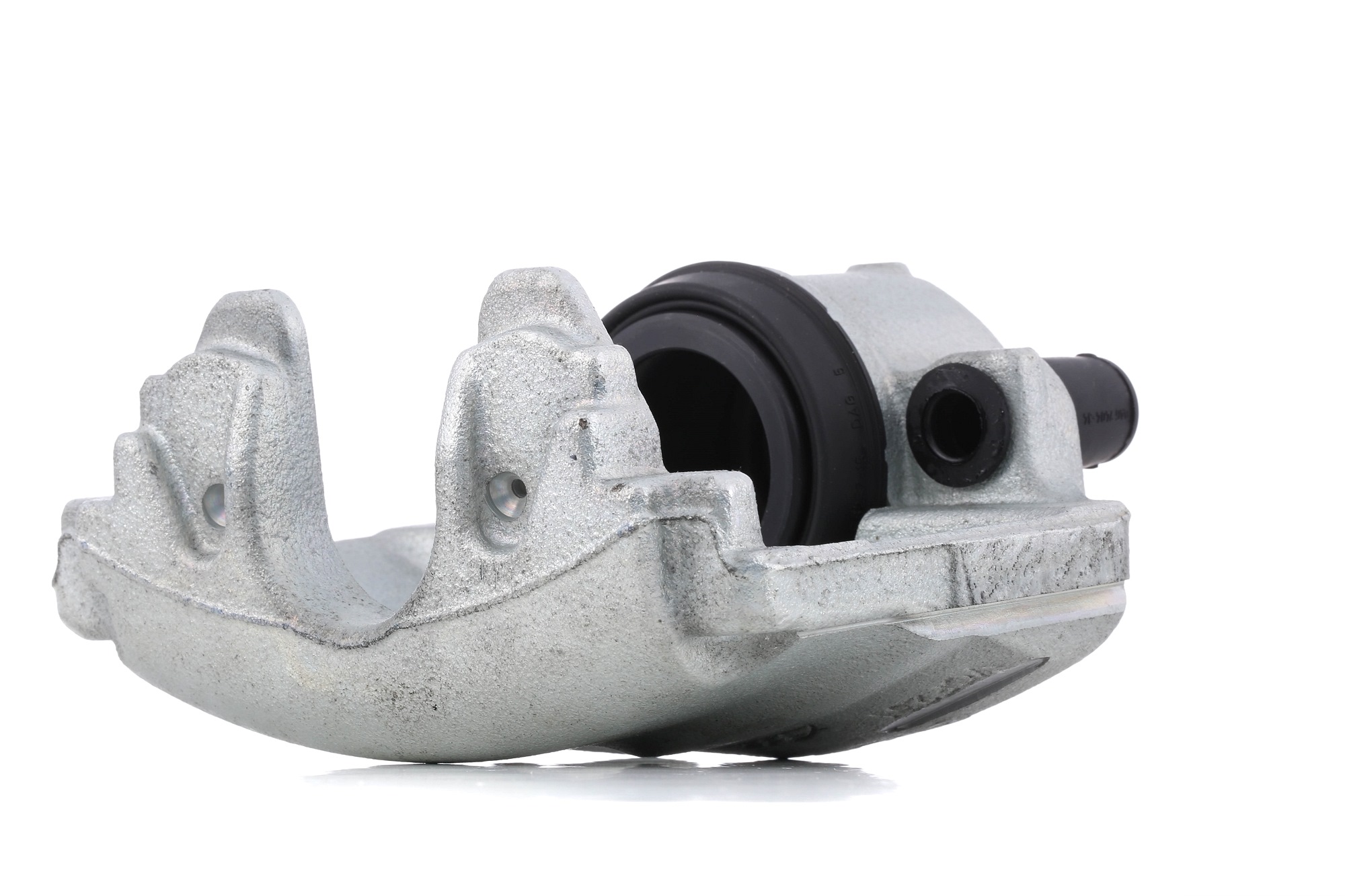 ATE 241025 Brake caliper
without holder
ATE 241025 Brake caliper
without holder
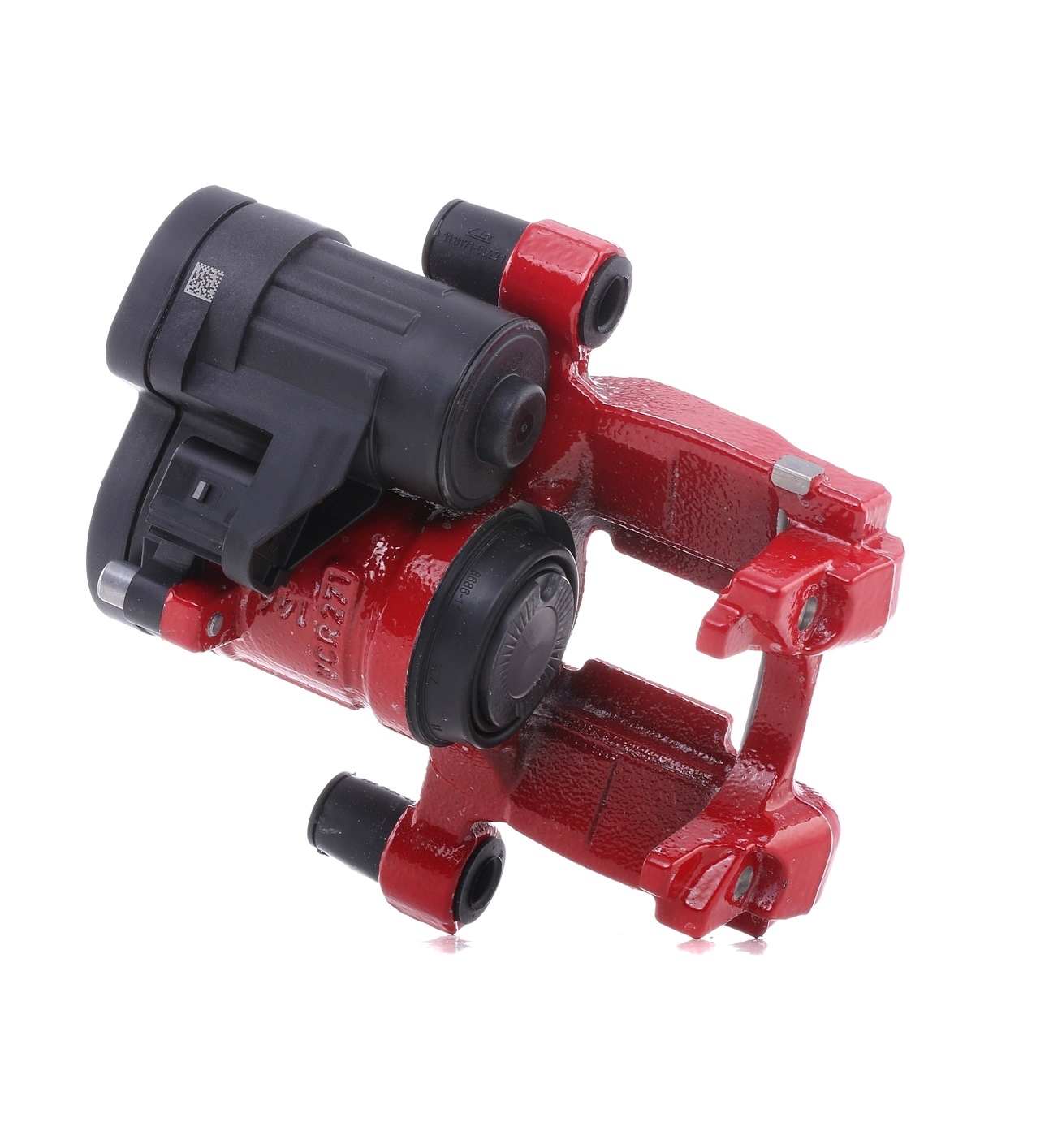 ATE 241184 Brake caliper
red, without holder
ATE 241184 Brake caliper
red, without holder
 FEBI BILSTEIN 179785 Brake caliper
Rear Axle Left, Cast Iron
FEBI BILSTEIN 179785 Brake caliper
Rear Axle Left, Cast Iron
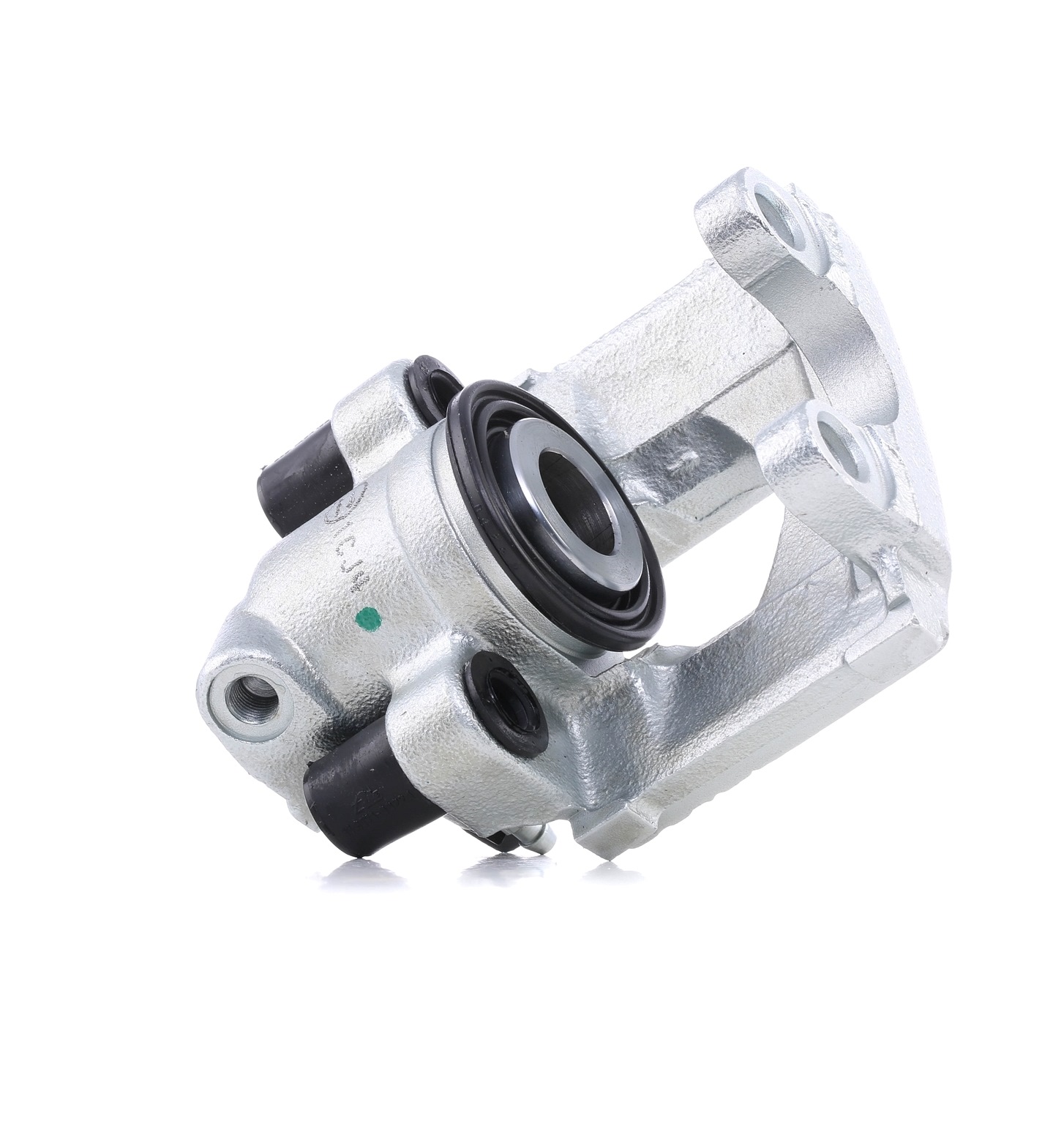 ATE 240516 Brake caliper
without holder
ATE 240516 Brake caliper
without holder
 KAMOKA 34106855475 Brake caliper
Front Axle Left, Aluminium, without electric motor
KAMOKA 34106855475 Brake caliper
Front Axle Left, Aluminium, without electric motor
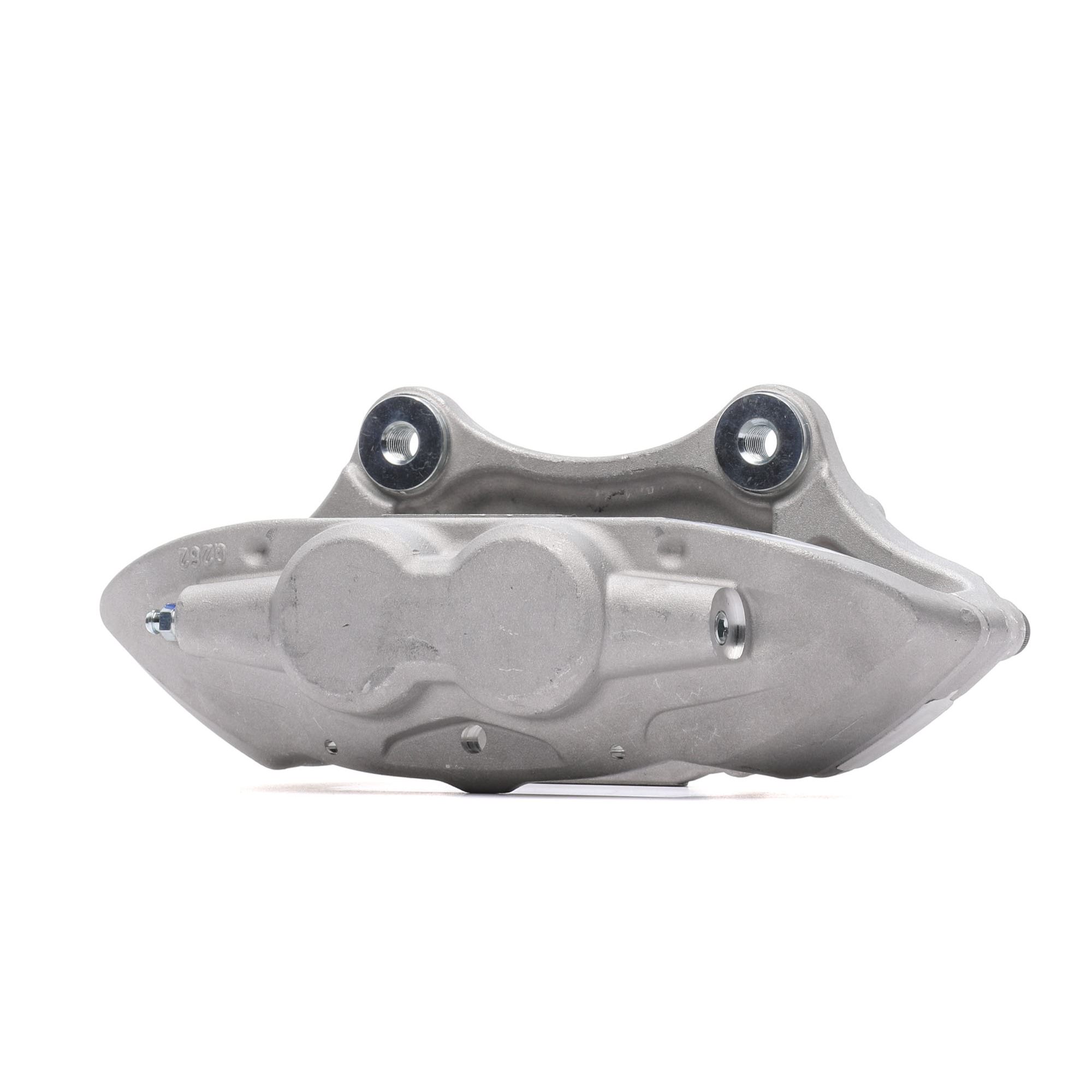 A.B.S. 432192 Brake caliper
Aluminium
A.B.S. 432192 Brake caliper
Aluminium
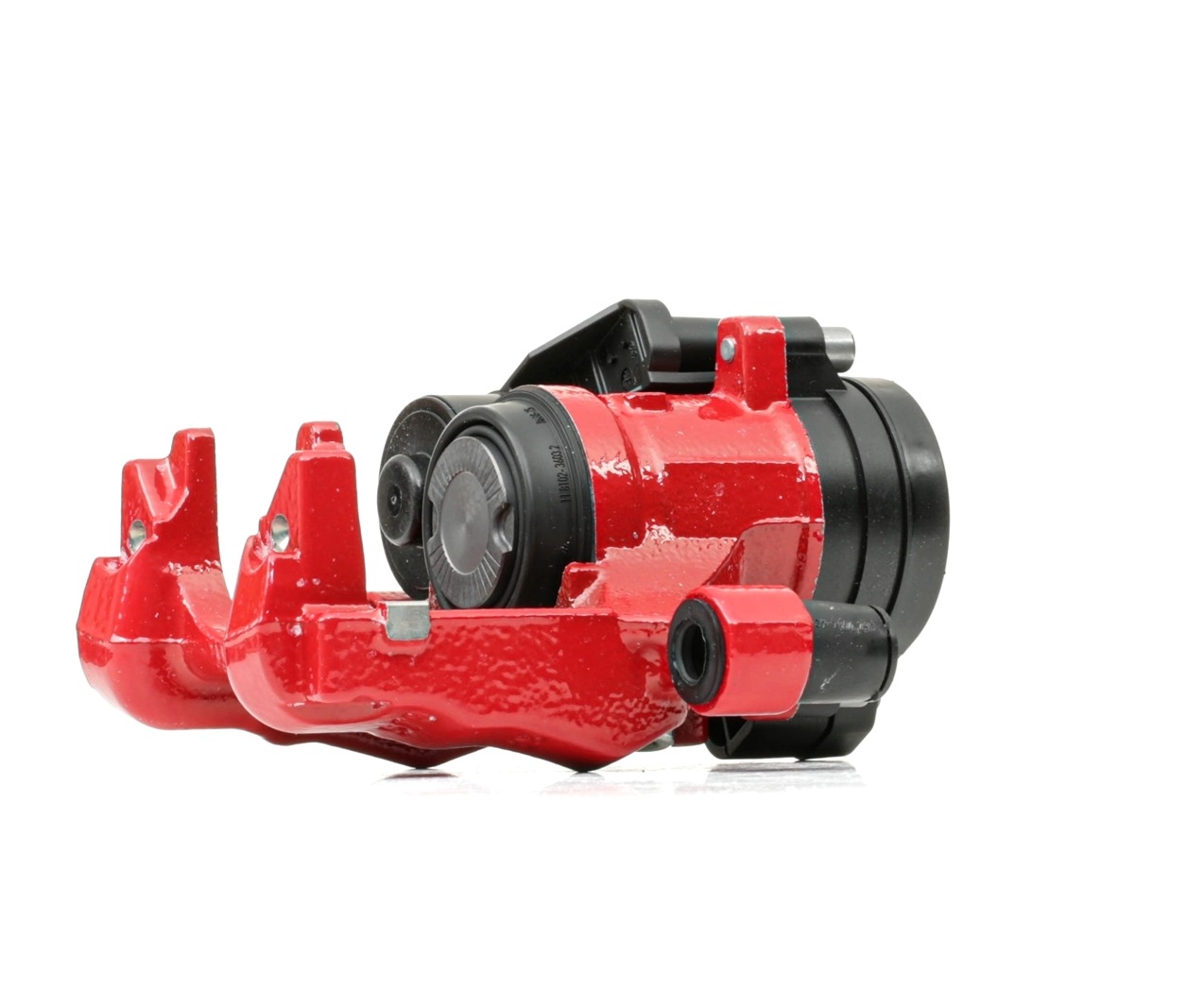 ATE 241183 Brake caliper
red, without holder
ATE 241183 Brake caliper
red, without holder
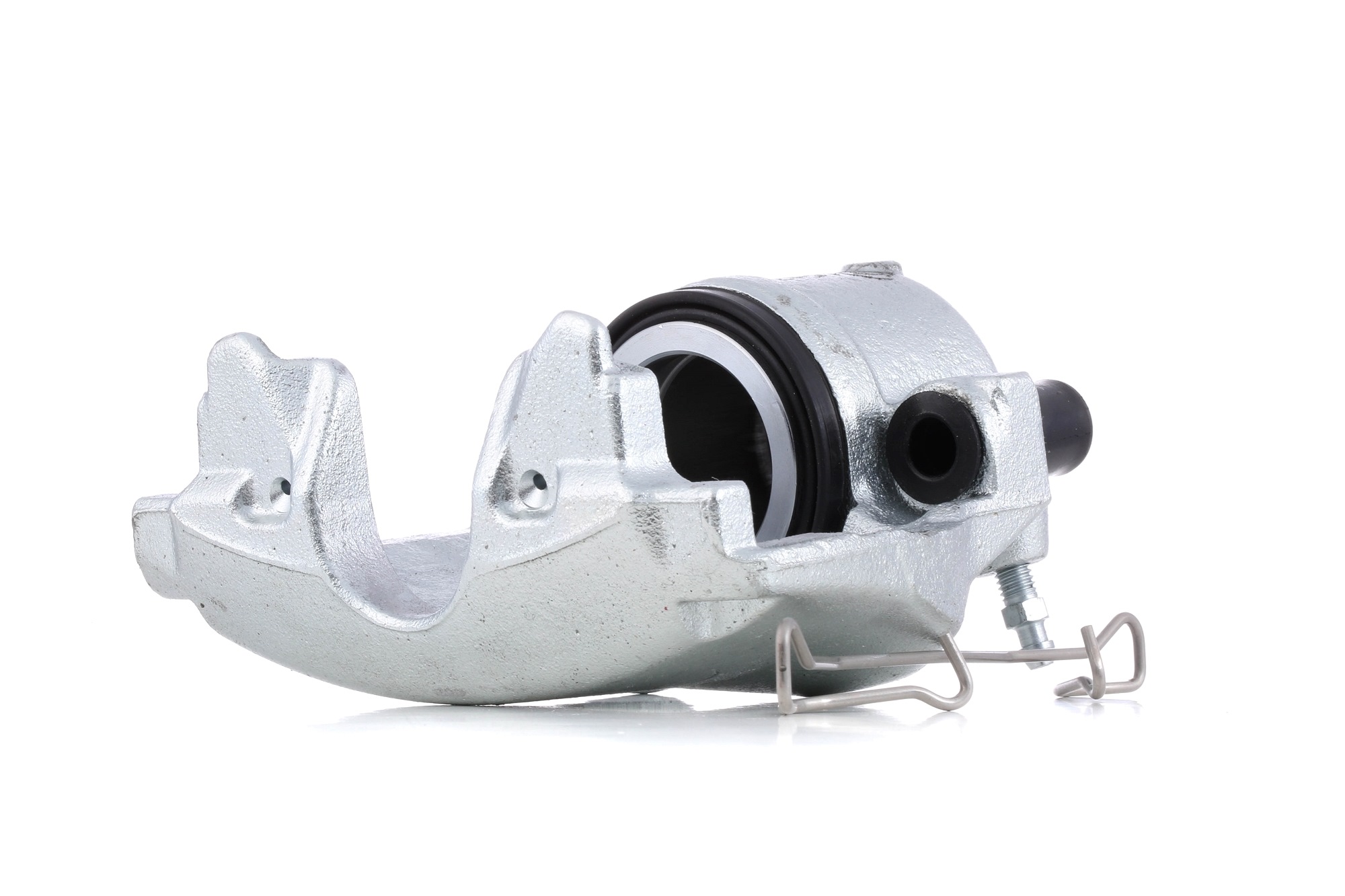 TRW BHX221E Brake caliper
Cast Iron
TRW BHX221E Brake caliper
Cast Iron
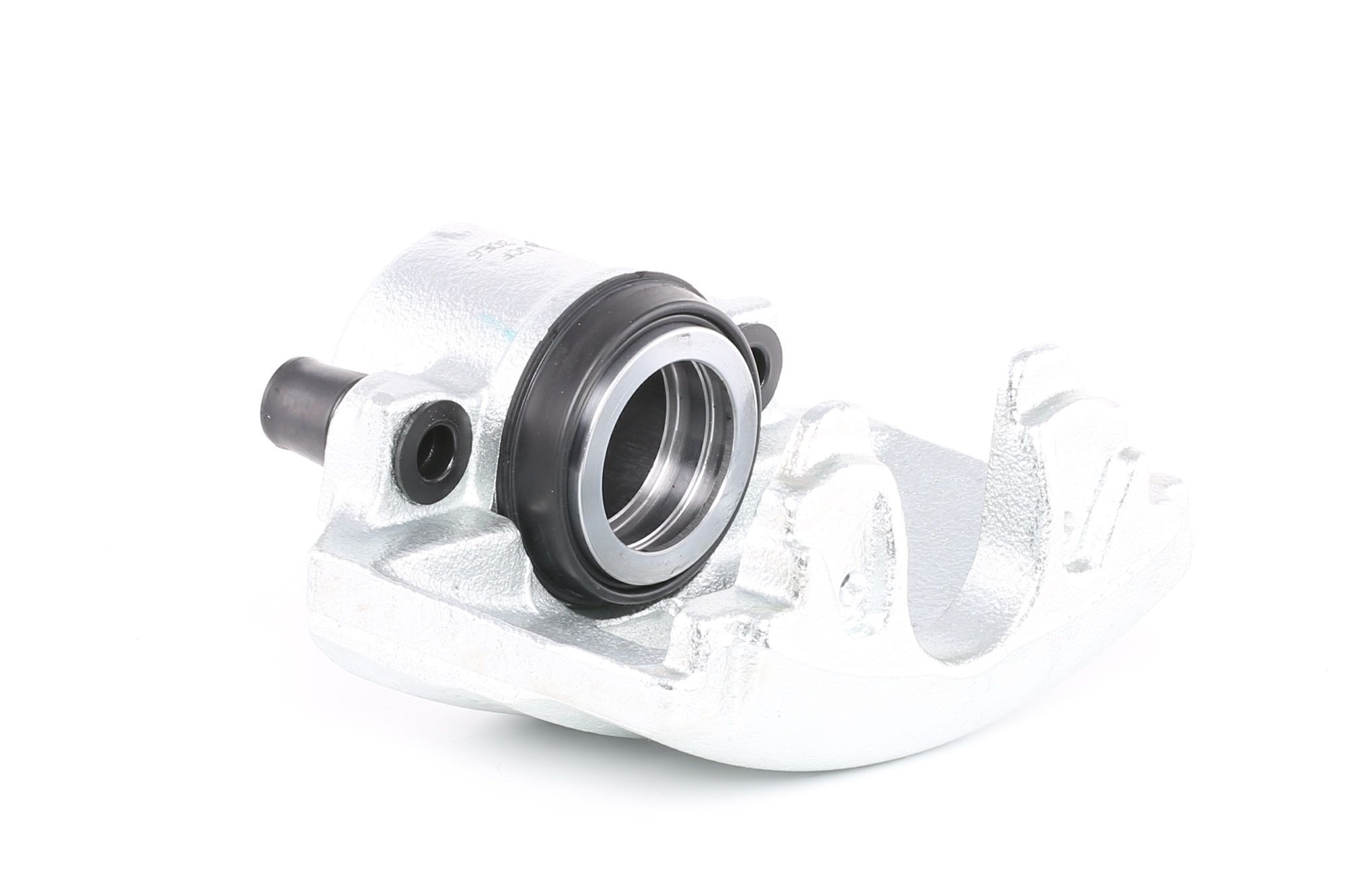 TRW BHW676E Brake caliper
Cast Iron
TRW BHW676E Brake caliper
Cast Iron
 FEBI BILSTEIN 179786 Brake caliper
Rear Axle Right, Cast Iron
FEBI BILSTEIN 179786 Brake caliper
Rear Axle Right, Cast Iron
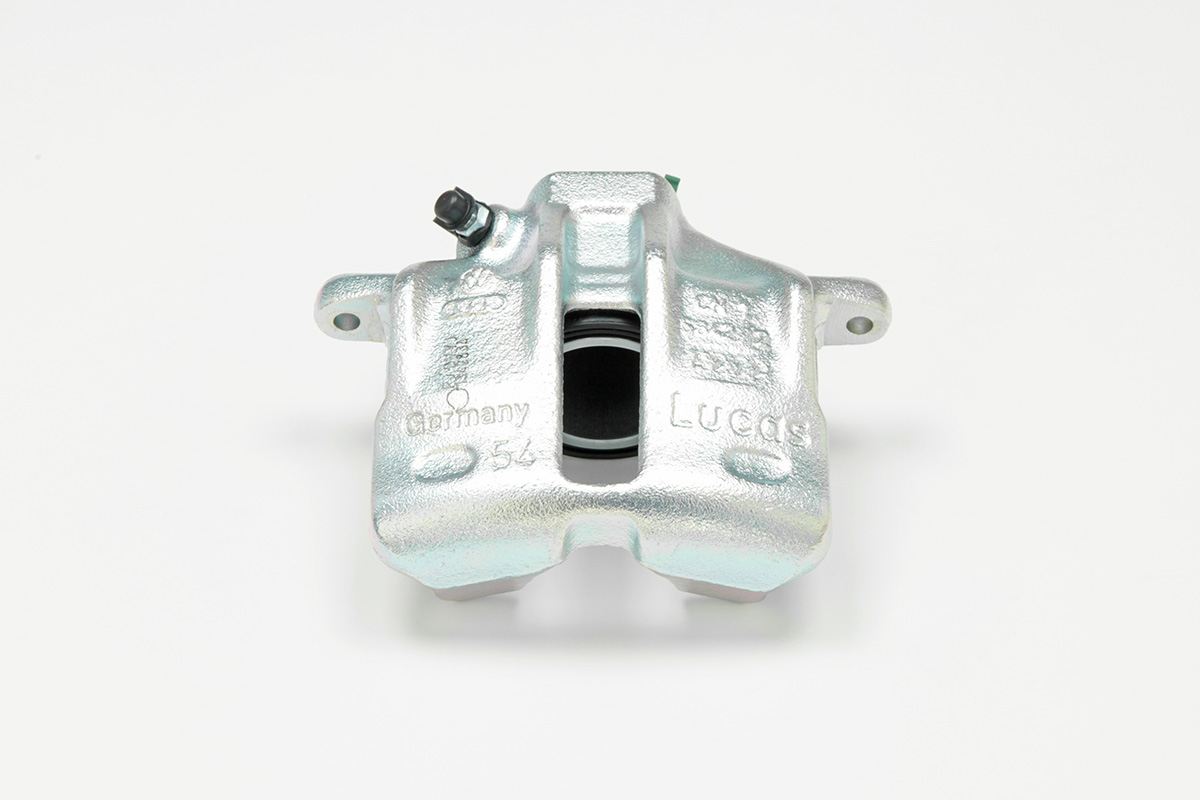 ATE 240231 Brake caliper
without holder
ATE 240231 Brake caliper
without holder
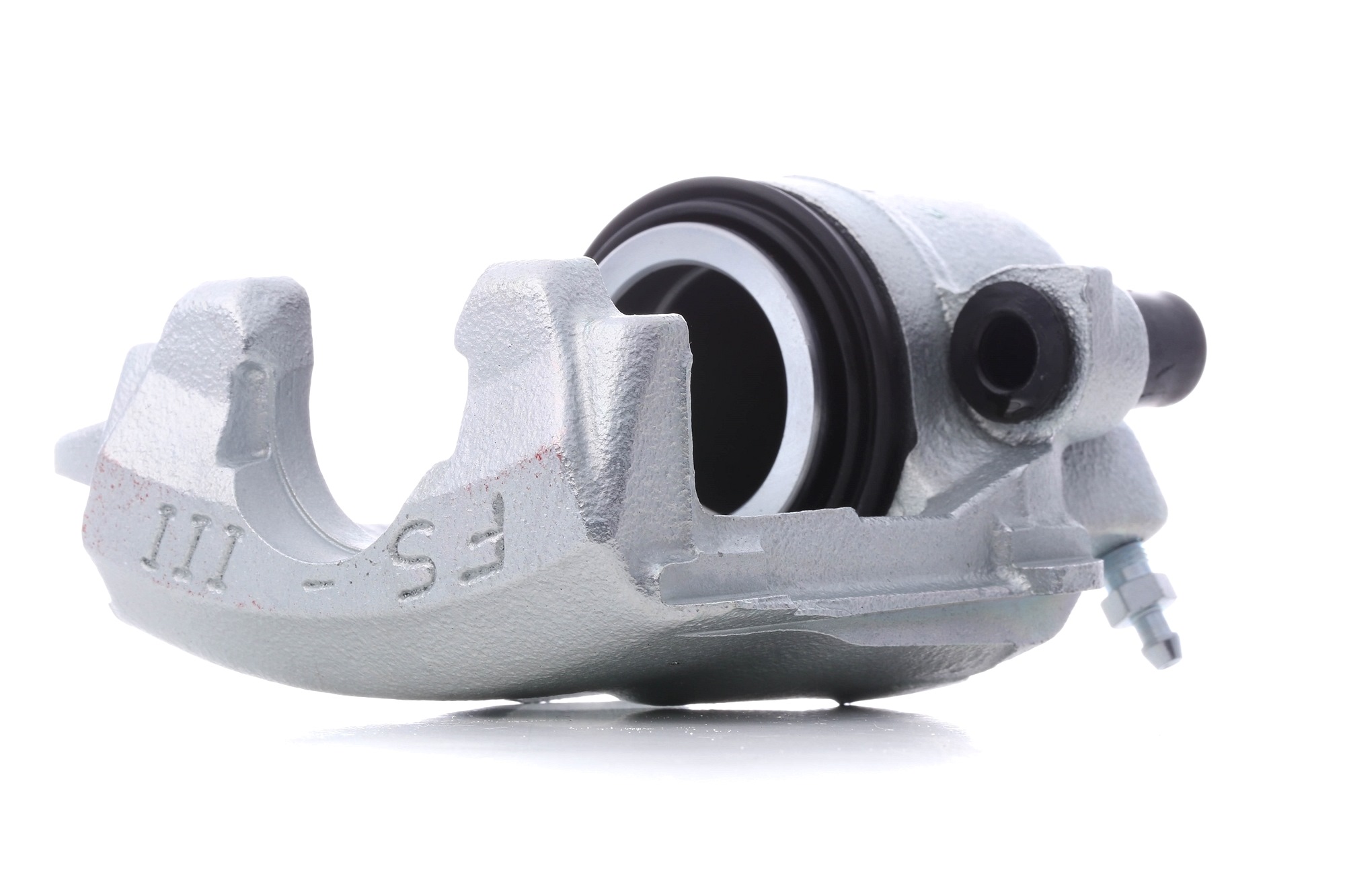 TRW BHW348E Brake caliper
Cast Iron
TRW BHW348E Brake caliper
Cast Iron
 BOSCH CR1605 Brake caliper
Cast Iron, 61 mm
BOSCH CR1605 Brake caliper
Cast Iron, 61 mm
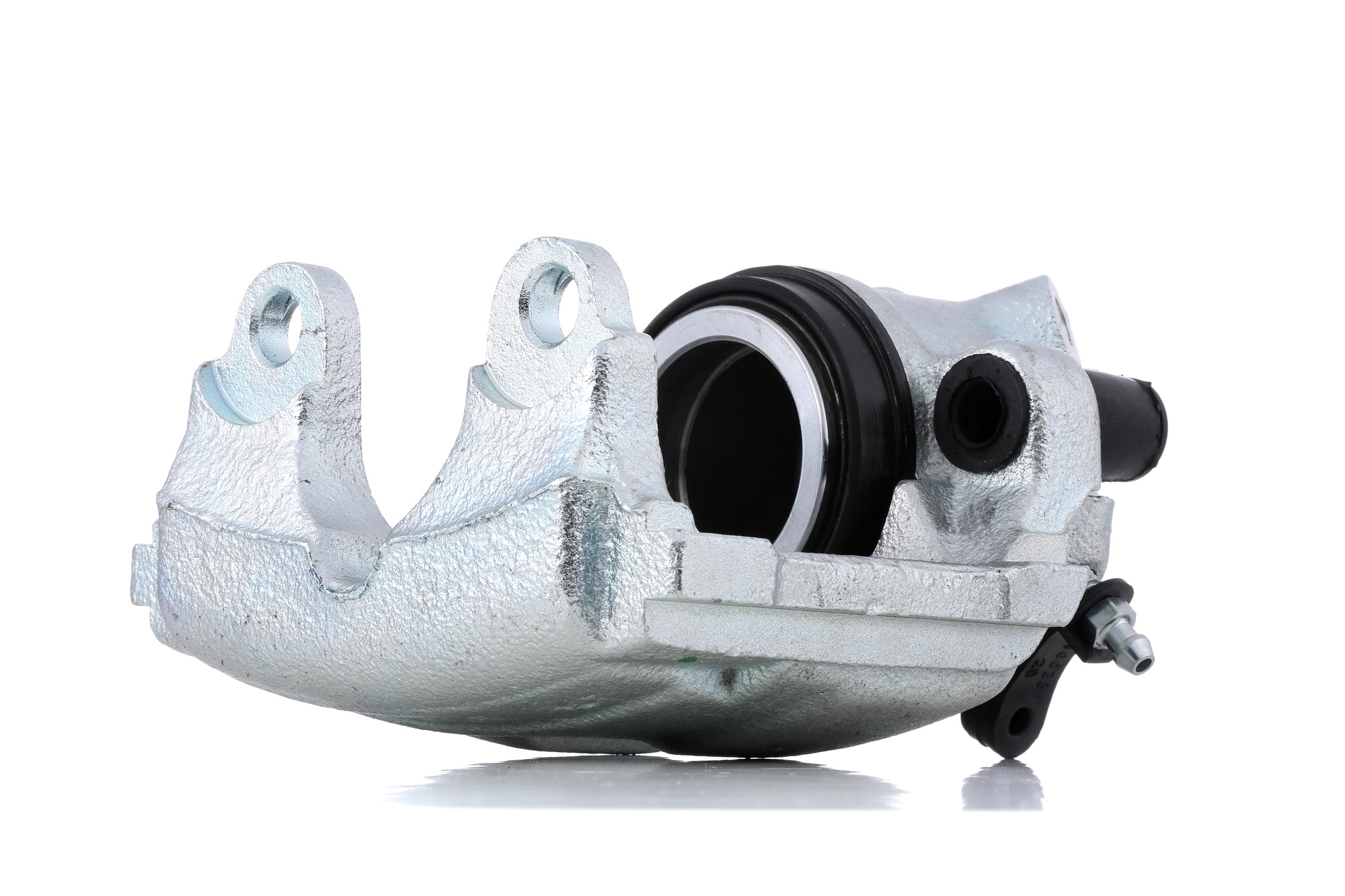 ATE 240349 Brake caliper
without holder
ATE 240349 Brake caliper
without holder
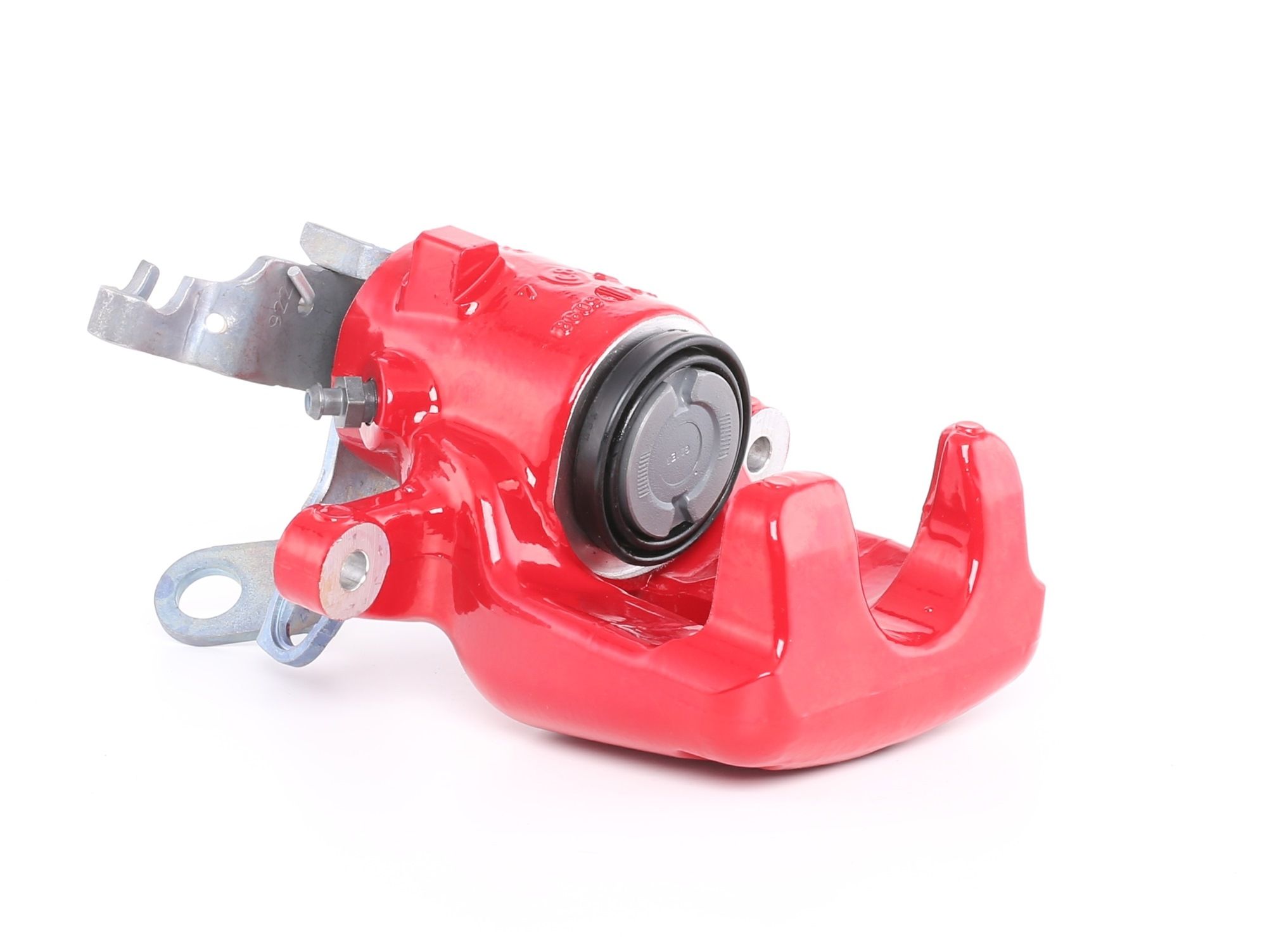 TRW BHN951E Brake caliper
red, Aluminium
TRW BHN951E Brake caliper
red, Aluminium
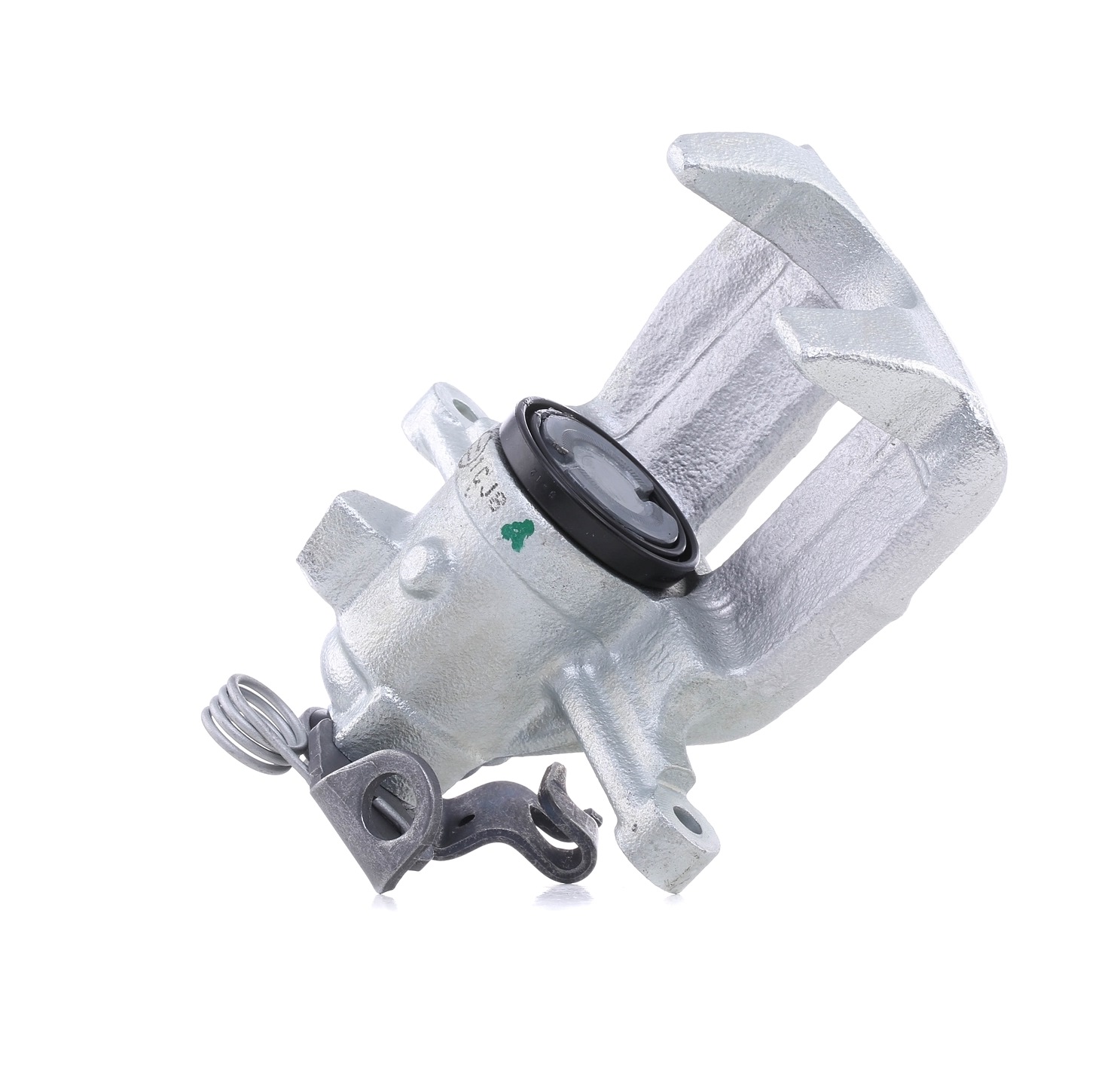 ATE 240852 Brake caliper
without holder
ATE 240852 Brake caliper
without holder
 ATE 240513 Brake caliper
without holder
ATE 240513 Brake caliper
without holder
 KAMOKA 34106855476 Brake caliper
Front Axle Right, Aluminium, without electric motor
KAMOKA 34106855476 Brake caliper
Front Axle Right, Aluminium, without electric motor
Replacement of Brake calipers: Video repair guide
How to change a rear brake caliper on VOLKSWAGEN GOLF 5 TUTORIAL | AUTODOC Top brands that produce Brake Caliper: BOSCH, STARK, SACHS, SKF, VAN WEZEL...
Step by Step Video Tutorial for Do-it-yourself Auto Repair. Become an amateur mechanic with Autodoc.
| The bestselling products: | |||||
|---|---|---|---|---|---|
| 6250294 | 6250106 | 179786 | 179785 | BHX221E | 430362 |
| For popular car brands: | |||||
| VW | MERCEDES-BENZ | BMW | AUDI | OPEL | FORD |
| Brake calipers – technical details | |||||
| Brake System | for brake disc thickness [mm] | Fitting Position | |||
| ATE | LUCAS | 24 | 9 | Rear Axle Left | Front Axle Right |
| BOSCH/BENDIX | TRW | 10 | 10,8 | Rear Axle Right | Front Axle Left |
| Bosch | Lucas | 9,5 | 22 | behind the axle | Upper |
What is a brake caliper?
The brake caliper serves as the central actuator in a disc brake system, translating hydraulic pressure into mechanical clamping force. Depressing the brake pedal activates the caliper pistons, which apply the brake pads against the disc with a substantial force, often reaching 30–50 kN. This action generates the friction essential for stopping the wheel. Operating in environments like Germany, characterised by high Autobahn speeds (often exceeding 130 km/h) and challenging conditions such as wet or salted winter roads, the caliper assembly is subjected to extreme thermal loads, potentially reaching up to 700 °C. Maintaining the perfect condition of the dust boots and ensuring the guide pins are regularly lubricated are critical preventative measures to avoid seizure.
Operating principle of brake calipers
Brake calipers convert 50–120 bar hydraulic pressure into mechanical force. This force extends pistons, pressing friction pads against the rotating brake disc. The resulting friction transforms the vehicle's kinetic energy into thermal energy, heating the working surfaces to 400–700 °C, which is essential for effective deceleration. Elastic sealing sleeves are crucial: upon pressure release, their elasticity retracts the pistons, creating a 0.1–0.2 mm clearance between the pads and disc. This tiny gap prevents continuous friction, eliminates overheating, and ensures the system is instantly ready for the next braking cycle.
Caliper construction
A modern brake caliper is composed of numerous interconnected components, each fulfilling a specific role.
Brake calipers have several critical parts:
- Caliper body: The main housing, made of aluminium or cast iron, withstands high mechanical stress and temperatures of up to 800°C, and contains the piston cylinders.
- Pistons: Steel or aluminium cylinders with a diameter of 38–60 mm that extend under hydraulic pressure. Calipers can have between one and eight pistons.
- Seal rings: These are square-section rubber rings that seal the hydraulic system and retract the pistons after braking.
- Dust boots: These protect the pistons from water, dirt and debris. Damage to the dust boot is a common cause of caliper malfunction.
- Bracket (mounting bracket): Fastens to the hub and supports the caliper body.
- Guide pins: Used in floating calipers, they allow the body to move relative to the bracket and require high-temperature lubrication.
- Retaining springs and plates: Secure the brake pads and prevent rattling.
Types of brake calipers
Brake calipers come in various types, each designed with unique features, uses, and performance characteristics. The appropriate caliper must be selected based on the vehicle's category, the user's driving habits, and the desired level of braking performance.
Floating (sliding) caliper
The most common type, used in 80–85% of production vehicles. Pistons are located only on the inner side of the disc, the caliper body is movable and slides on guide pins.
Brake calipers operate by applying pressure to the brake disc from both sides. Specifically, the braking force causes pistons to push the inner brake pad against the disc. Simultaneously, the resulting reaction pressure causes the caliper body to move in the opposite direction, pressing the outer pad against the disc.
Key Features:
- Pistons: Typically 1 to 2 pistons on one side.
- Weight: Light, weighing between 2 and 4 kg.
- Usage: Standard on compact and mid-size passenger vehicles, and commonly used on the rear axle of most cars.
- Cost: Mid-range pricing, generally between€50 and €180 per unit.
Pros:
- Inexpensive and simple construction.
- Maintenance is straightforward, as guide pins can be replaced individually.
- Lighter than fixed calipers.
- Offer adequate braking performance for routine, everyday driving.
Cons:
- Guide pins need regular greasing (approximately every 30,000–50,000 km).
- Vulnerable to seizing if dirt or corrosion infiltrates the mechanism.
- Brake pressure distribution is less even compared to fixed calipers.
- Limited effectiveness for demanding or sport driving.
Fixed (opposed piston) caliper
This type of brake caliper features a body rigidly mounted to the hub and has pistons installed on both sides of the disc. They are typically used in premium and sports cars where maximum braking efficiency is essential.
Key characteristics
- Pistons: 4 to 8 total (2–4 per side).
- Weight: 3–6 kg.
- Usage: Sports cars, premium saloons (BMW M, Mercedes-AMG, Audi RS), and front axles of high-performance vehicles.
- Cost: Typically €200–€800 per unit; Brembo 6‑piston models around €400–€1,200.
Advantages
- Even pressure distribution, with symmetrical pad application.
- Superior braking power and stability.
- Excellent heat dissipation due to greater metal mass.
- Resistant to seizing, with no guide pins required.
- Suited to track days and spirited driving.
Disadvantages
- Premium pricing, often 3–5 times costlier than floating calipers.
- Heavier design, adding to unsprung mass.
- Complex servicing, requiring full caliper removal.
- Costly to replace, as the complete unit is needed if damaged.
Calipers with an electronic parking brake – EPB
EPB calipers feature an integrated electric motor for automatic parking brake operation. They are commonly fitted to the rear axle of vehicles produced from 2015 onwards.
Key Characteristics
- Electric motor built into the caliper body.
- Powered by the vehicle's 12V system.
- Activated via a dashboard button.
- €130–€400 per unit
Advantages
- Automatic engagement when the ignition is switched off.
- Eliminates the need for a traditional handbrake cable.
- Self-adjusting pad clearance.
- Supports "Auto Hold" for stationary stops at junctions.
Disadvantages
- Pad changes require a diagnostic tool to wind back the pistons.
- Repairs are costly, as the motor must be replaced rather than repaired.
- Relies on electronics and battery power.
- May fail to release if the battery is flat.
Signs of caliper wear and malfunction
Spotting brake caliper wear early is vital for road safety. A worn or seized caliper can compromise your vehicle's braking ability, potentially increasing the braking distance by a significant 20% to 40%. Furthermore, these issues can cause the brakes to overheat and may ultimately result in complete brake system failure.
Audible warning signs
- Squealing or screeching: Usually from worn pads or sticky guide pins; harsh metallic grinding means metal-on-metal contact from fully worn pads.
- Knocking or clunking: Indicates loose caliper mounting or worn guide pins, worse over bumps or rough roads.
- Hissing: Signals brake fluid leaks, often from failed seals in the piston or housing.
Behavioural warning signs
- Pulling to one side: Seized caliper or uneven piston action; vehicle veers towards the faulty side.
- Brake pedal vibration: From uneven disc wear caused by stuck pistons or warped discs due to overheating.
- Longer stopping distances: Pistons failing to extend fully from corrosion or worn seals.
- Sinking brake pedal: Brake fluid escaping via damaged piston seals or bleeder screw.
- Hard brake pedal: Seized pistons resisting movement, demanding more effort to brake.
Visual warning signs
- Brake fluid leaks: Dark wet patches on the caliper body or drips on the wheel's inner side.
- Uneven pad wear: One pad worn far more than its pair—indicates a seized piston.
- Torn piston dust boots: Cracks or splits in rubber seals allowing dirt to jam the pistons.
- Corrosion on the body: Heavy rust, particularly around pistons and guides, signals impending failure.
Main causes of malfunction
- Piston and guide corrosion: Salt, road treatments, and moisture erode the protective coating, causing pistons to seize in their bores.
- Torn dust boots: Dirt and water infiltrate the cylinders, leading to corrosion and stuck pistons.
- Seal ring wear: Rubber seals harden from heat exposure, losing flexibility and allowing fluid leaks.
- Thickened guide lubricant: Old grease dries and hardens, restricting caliper movement so pads fail to release from the disc.
- Overheating: Repeated hard braking pushes fluid past its boiling point (230–260°C), creating vapour lock.
- Mechanical damage: Kerb strikes, stones, or debris trapped between caliper and wheel.
Costs of brake calipers in Germany
The cost to replace brake calipers in Germany is subject to variation based on the specific vehicle model, the caliper's design, and the geographic region. Typically, expect higher labour charges in major German cities compared to those in smaller towns or rural locations.
Caliper prices in the German market depend on design type, number of pistons, and manufacturer.
| Caliper type | Number of pistons | Application | Approximate price per unit (€) |
|---|---|---|---|
| Standard floating | 1–2 | Most passenger cars, rear axle | 55–165 |
| Reinforced floating | 2 | Mid-class, front axle | 110–230 |
| Fixed | 4 | Premium saloons, sports cars | 185–465 |
| Fixed Brembo | 6 | High-performance vehicles | 370–1,120 |
| With electronic parking brake | 1–2 | Rear axle of modern vehicles (2015+) | 130–400 |
Labour adds €110–€220 per side in German garages.
Standard workshop replacement costs
| Vehicle class | Labour Time | Approximate replacement cost per axle (€) |
|---|---|---|
| Small (VW Polo, Opel Corsa) | 1–1.5 hours | 275–625 |
| Mid-size (VW Golf, Ford Focus) | 1.5–2 hours | 350–790 |
| Premium (Audi A4/A6, BMW 3/5) | 1.5–2.5 hours | 480–1,180 |
| Premium sport (BMW M, AMG, RS) | 2–3 hours | 1,100–2,870 |
| With EPB (rear axle) | 2–2.5 hours | 560–1,320 |
Includes: Caliper pair, full axle pads, labour, brake fluid bleeding, and leak tests.
What influences the cost?
- Caliper type: Fixed multi-piston units cost 3–5 times more than basic single-piston floating calipers.
- Part brand: OEM parts run 20–40% higher than quality aftermarket; manufacturer-branded originals add another 30–50%.
- EPB presence: Electromechanical parking brakes add €75–€115 to each caliper.
- German region: Labour rates in major cities (Berlin, Munich, Hamburg) are 15–25% higher than in rural areas.
- Workshop type: Main dealers charge 30–60% more than independents, but offer 2–3 year warranties.
- Additional work: New discs, hoses, or fluid top up the total bill significantly.
Caliper repair cost
Instead of full caliper replacement, a repair kit can often be used. These kits typically contain new components such as seal rings, dust boots, and occasionally, pistons.
| Service | Parts (€) | Labour (€) | Total (€) |
|---|---|---|---|
| Floating repair (1 pc) | 25–65 | 60–120 | 85–185 |
| Fixed repair (1 pc) | 45–110 | 85–170 | 130–280 |
| Guide pin replacement (pair) | 20–60 | 50–95 | 70–155 |
| Guide cleaning and lubrication | 15–25 | 35–70 | 50–95 |
Criteria for brake caliper repair versus replacement The cost difference between repairing a caliper and buying a new one is typically under €40. In many cases — especially for minor fixes like guide pins or seals — repair kits keep total costs 40–60% lower than full replacement.
Repair is recommended when:
- The caliper body is free of cracks, significant corrosion, and deformation.
- Pistons lack deep scratches and heavy corrosion.
- Cylinders show no significant wear (verifiable with new sealing rings).
- The total repair cost is less than 60% of the price of a new caliper.
Replacement is necessary when:
- The caliper body has cracks or through-corrosion.
- Pistons or cylinders exhibit deep corrosion.
- Bleeder fitting threads are worn.
- The caliper has been previously repaired.
Best brake caliper manufacturers
| Brand | Country | Service life (km) | Feature | Price (€) |
|---|---|---|---|---|
| ATE (Continental) | Germany | 145–250k | OEM for VW/Audi/BMW, German quality, widely available | 75–230 |
| Bosch | Germany | 145–240k | High quality, OEM for Mercedes, premium segment | 85–265 |
| Budweg Caliper | Denmark | 110–170k | Remanufactured, eco-friendly, 2-year warranty | 50–150 |
| Brembo | Italy | 175–305k | World leader, OEM for Ferrari/Porsche/BMW M | 185–1,120 |
| FTE | Germany | 120–175k | Quality aftermarket, affordable | 55–170 |
| TRW (ZF) | Germany | 140–220k | OEM for European brands, price/quality balance | 65–210 |
| Lucas (TRW) | Germany | 130–200k | Reliable floating calipers, wide compatibility | 70–185 |
| Ridex | Germany | 100–150k | Budget brand, ECE compliant, basic quality | 42–120 |
| Textar (TMD) | Germany | 140–220k | OEM for Mercedes, comprehensive range | 80–225 |
Brake caliper recommendations by driving style
| Driving style | Recommended brands | Key characteristics |
|---|---|---|
| Everyday driving | ATE, TRW, Lucas | Reliable, good German quality, reasonably priced. |
| Premium vehicles | Bosch, Textar, ATE | OEM quality, ensuring a long service life. |
| Sport driving | Brembo | The global standard for maximum efficiency; offers a wide selection of multi-piston systems. |
| Budget repair | Ridex | A quality option, especially suitable for older cars. |
OEM vs original
| Type | Advantages | Disadvantages | Price € |
|---|---|---|---|
| Original | 100% compatibility, 2–3 year warranty, brand logo, perfect fit | 30–50% more expensive, dealer-only availability | 185–745 |
| OEM | Matches original quality, 30–50% cheaper, widely available, 1–2 year warranty | Shorter warranty, no brand logo | 75–330 |
When choosing brake calipers, consider the following options
Original calipers (recommended if):
- Your vehicle is still under the manufacturer's warranty (to prevent the warranty from being voided).
- You only use official dealer service centres.
- If the presence of the original brand logo on the caliper is important to you.
OEM (Original Equipment Manufacturer) calipers are recommended if:
- Your vehicle's warranty has expired (usually after 3–5 years).
- You use an independent workshop for servicing.
- You need wider availability from various shops and online.
- You want to save 30–50% without compromising on quality.
Key insight: Many manufacturers like ATE, TRW, and Bosch supply the exact same calipers to car assembly lines. By purchasing them under their OEM brand, you get the identical part quality without paying the premium for the car brand's logo.
Replacing a brake caliper: methods and DIY feasibility
Replacing brake calipers is a critical and complex safety procedure, especially given the prevalence of electronic brake force distribution systems in 2026. This operation demands absolute precision to prevent high-pressure hydraulic failure (up to 120 bar).
Can you replace brake calipers yourself?
Technically, yes — experienced DIY mechanics can replace brake calipers. However, legal risks apply: under the StVZO (Road Traffic Licensing Regulations), you're fully liable for ensuring brakes meet TÜV roadworthiness standards. Poor work — such as incomplete bleeding or leaks — could be deemed "gross negligence" (grobe Fahrlässigkeit) by insurers, potentially voiding claims after an accident. EPB-equipped cars require a diagnostic scanner (e.g., OBD tool) to safely retract the motor and recalibrate the system.
Essential tools for safe work
You will need specialised tools for this job. A standard wrench set is not enough. The right tools are essential for a proper seal and maximum safety.
| Special tool | Technical purpose |
|---|---|
| Flare nut wrench (for lines) | Prevents rounding of often-seized brake hose fitting edges. |
| Torque wrench | Ensures exact tightening torque of mounting bolts (usually 110–130 Nm). |
| Piston retraction kit | Piston retraction is possible without causing damage to the seal or the internal self-adjustment mechanism. |
| Bleeding device | This allows effective air removal from the system without "dry" loading of the master cylinder. |
Step-by-step caliper replacement (DIY)
- Preparation: Secure the car on jack stands. Never rely on a jack alone.
- Seal the system: Clamp the brake hose before disconnecting it to limit fluid loss. Do not let the reservoir run dry. Air in the ABS requires professional bleeding.
- Remove old caliper: Disconnect the hose and undo the caliper mounting bolts. Use penetrating fluid on seized bolts and wait a few minutes.
- Prep surfaces: Clean the caliper bracket with a wire brush and check the disc for deep wear.
- Install new caliper: Fit the new unit and always use new copper washers on the brake hose to prevent leaks.
- Bleed brakes: Bleed the caliper until clean fluid without air bubbles flows out. Use only fresh DOT 4 or DOT 5.1 fluid.
Brake caliper maintenance
Proactive maintenance of brake calipers is key to extending their lifespan and avoiding expensive failures. The majority of issues can be averted through consistent cleaning and lubrication.
Maintenance intervals
Every 30,000 to 50,000 km or every 2 years
- Clean and lubricate guide pins on floating calipers
- Visually inspect dust boots
- Check for brake fluid leaks
- Ensure the piston moves freely
At each brake pad replacement (40,000 to 80,000 km)
- Thoroughly clean the caliper using a wire brush
- Reapply fresh lubricant to the guide pins
- Inspect guide pin rubber boots
- Lubricate pad-to-caliper contact points
- Check brake disc runout
Once a year, especially in areas with road salt
- Rinse calipers with pressurised water
- Apply corrosion protection to the caliper body
- Check wheel temperatures after driving to detect possible seizure
Proper guide pin lubrication
For floating brake calipers, maintaining guide pin lubrication is essential. If the pins are not adequately lubricated, they will seize, leading to a loss of caliper mobility and resulting in uneven wear of the brake pads.
Types of lubricants:
| Lubricant type | Recommendation | Temperature range | Price (€ / 100 ml) |
|---|---|---|---|
| Copper paste | Traditional option | −40°C to +1100°C | 5.50–11 |
| Graphite grease | Budget option | −30°C to +450°C | 4.50–9 |
| Ceramic paste | Best choice, long-lasting | −40°C to +1400°C | 9–19 |
| Silicone grease | Good alternative | −50°C to +280°C | 8–14.50 |
Critical note on lubricants: Avoid using lithium greases, solidol, or WD-40 on guide pins. These products are unsuitable because they break down at high temperatures and will damage the rubber boots.
Lubrication procedure:
- Gently tap the guide pins out of the caliper using light hammer blows and a wooden spacer.
- Remove old grease from the pins and bores using a wire brush or a solvent-soaked rag.
- Inspect the rubber boots. Any cracks or tears mean they should be replaced.
- Apply a thin, even layer of fresh lubricant along the full length of each pin.
- Reinstall the pins and check movement. They should slide smoothly without sticking.
Corrosion protection
In Germany, gritted roads with salt and de-icing chemicals during winter aggressively corrode calipers. Regular protection significantly extends their service life.
Measures for protection:
- After parking for over 2 weeks, take a short drive with firm braking to clear surface rust from pads and discs.
- Wash the car every 2–3 weeks in winter, focusing on wheel arches and undercarriage.
- Opt for touchless washes using hot water and active foam for thorough cleaning.
- Apply anti-corrosion compound to caliper bodies (e.g., Waxoyl, Dinitrol, or Fluid Film).
- Regularly inspect rubber boots on pistons and guide pins for tears or damage.
German Legislation: Brake caliper standards
The brake system is a critical safety feature, and German law sets strict requirements under the StVZO (Road Traffic Licensing Regulations) and TÜV roadworthiness standards. Non-compliance risks fines, TÜV failure, vehicle deregistration, or insurance denial after an accident.
TÜV requirements During mandatory TÜV inspections (2 or 3-year intervals), brake calipers must meet these criteria:
- Leak-tightness: No brake fluid leaks from body, connections, or fittings
- Body integrity: No cracks, severe corrosion, or deformations
- Rubber elements: Piston and guide dust boots intact, without tears
- Braking efficiency: Uniform braking forces across an axle (max 20–25% difference)
- No seizure: Wheels rotate freely after brake release
Substantial defects (cracks, leaks, >25% force imbalance, seized calipers) fail TÜV. Owners must repair immediately and retest (HU-Nachprüfung).
Standards and certification
ECE R90: Mandatory EU safety standard for brake components. All aftermarket calipers must carry ECE R90 marking. Example: "E1 90R-02A0123/5678" (E1=Germany certifier). Calipers lacking ECE R90 are illegal to fit and fail TÜV.
StVZO (Road Traffic Licensing Regulations):
- Demands regular TÜV brake checks
- Mandatory replacement of defective parts
- Certified components (ECE R90) only
- Immediate vehicle withdrawal if brakes fail safety standards
Fines and consequences
- €60–€200 fine for driving with dangerous brakes (Section 23 StVZO)
- 3–7 points in Flensburg on driving record
- Unlimited insurance liability if accident traced to faulty calipers
- Vehicle confiscation possible for gross negligence
Frequently Asked Questions (FAQ)
Should you repair or replace your brake calipers?
Caliper repair is a cost-effective option, saving up to 60% if the body lacks cracks or deep corrosion. A repair kit (piston, seals, dust boots) restores the assembly. However, rust-damaged cylinder bores require new calipers from brands like ATE or TRW for a safe, long-term fix, as repair kits offer only a temporary solution in these cases.
Why brake calipers need to be replaced in pairs
For safety and stable braking, always replace brake calipers as a pair across the entire axle. Replacing only one is dangerous, causing a severe braking imbalance that can make the vehicle pull to one side. A difference over 30% is illegal in Germany and will result in failing the TÜV inspection. Paired replacement is non-negotiable for vehicle safety.
Can the pads on a caliper with an electronic parking brake (EPB) be replaced independently?
Do not attempt to retract the brake caliper pistons manually. A specialised diagnostic scanner is mandatory to move the pistons to the service position. Forcing the retraction will inevitably damage the expensive electric motors on the calipers. If you lack the necessary scanner tool, it is highly recommended to have the replacement procedure performed by a professional workshop.
What lubrication is essential for caliper operation?
Proper lubrication for brake caliper guide pins requires synthetic high-temperature grease (ceramic or silicone-based), which is resistant to high temperatures (up to 1000°C) and water washout. It is critical to avoid copper paste and lithium greases, as they damage the rubber dust boots. Using the correct synthetic grease prevents guide seizure, which accounts for 80% of guide pin failures.
How to can you tell that the caliper is "seized" and requires maintenance?
Typical signs include brake disc overheating on one wheel, a burning smell after driving, increased fuel consumption, and poor coasting. If the vehicle slows immediately after brake release, the caliper is likely sticking. Prompt guide pin replacement and caliper bracket cleaning can often solve the issue.
Do brake hoses need to be replaced with the caliper? Brake hoses usually last 8–10 years. If cracks are visible or the caliper failed due to heavy wear, replacing the hose is recommended to prevent rupture and avoid repeated brake bleeding.
Why is the brake pedal spongy after a caliper change?
Air in the system is indicated by this issue. After replacing any hydraulic component, a complete brake bleeding procedure is required. It is also recommended to inspect the brake fluid's level and condition. To prevent corrosion of new pistons, the fluid should be completely replaced if it hasn't been changed in over two years (use DOT 4 or DOT 5.1 standard fluid).
How do you select calipers by PR codes for the VAG Group?
For VW, Audi, Skoda, and Seat vehicles, selecting parts by model alone is often inaccurate. Always check the brake system PR code (for example, 1ZE or 1LJ), which can be found in the service book or on the sticker in the spare wheel well. This ensures the correct piston diameter and caliper mounting type for your vehicle.
Is it possible to paint the caliper for corrosion protection?
Yes, but only with dedicated heat-resistant brake caliper paint. This coating protects the cast-iron caliper housing from salt (Streusalz) and road de-icing chemicals. Important: Do not paint dust boots, seals, guide pins, or internal cylinder surfaces. Paint on moving or sealing parts risks brake failure and TÜV rejection.
What is the typical lifespan of a brake caliper?
Brake calipers typically last 145,000–305,000 km (8–12 years), depending on driving habits, road conditions, and maintenance. Fixed multi-piston calipers can reach 305,000 km with proper care, while floating calipers neglected on guide pin lubrication often fail at 80,000–120,000 km. In salted winter road areas (Streusalz regions), expect 30–40% shorter service life.

Confidence in online shopping! You can return brake calipers without explanation within 200 days after purchase and get your money back. How? Just use the Safe Order service on the checkout page. The service cost is only 2,99 €.

Each order from 120,00 € value of goods, include free shipping within Germany.
*Does not apply to large-size auto parts.

