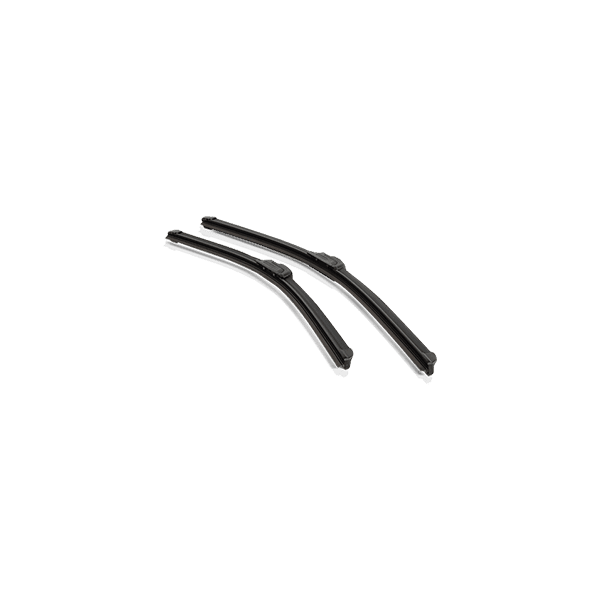
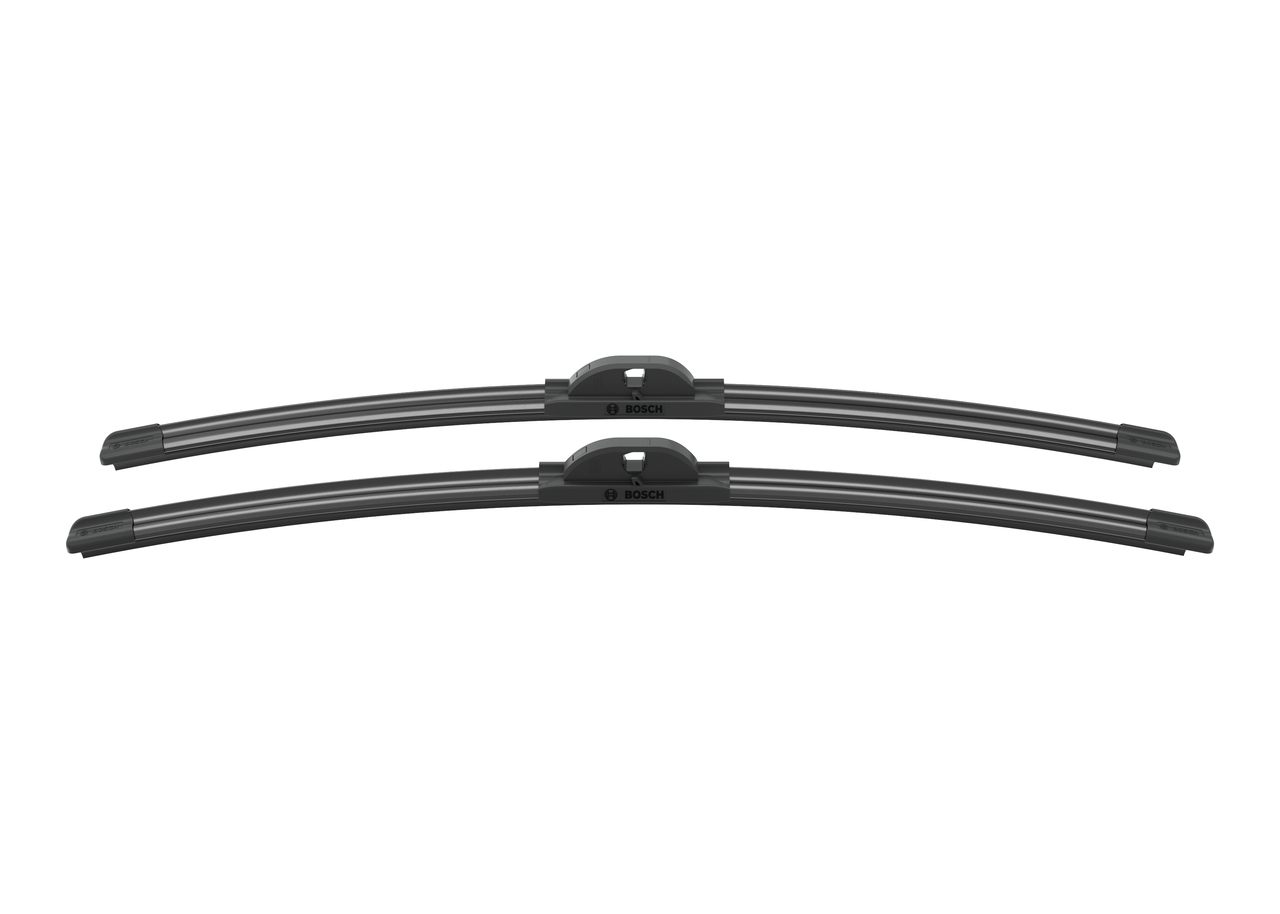
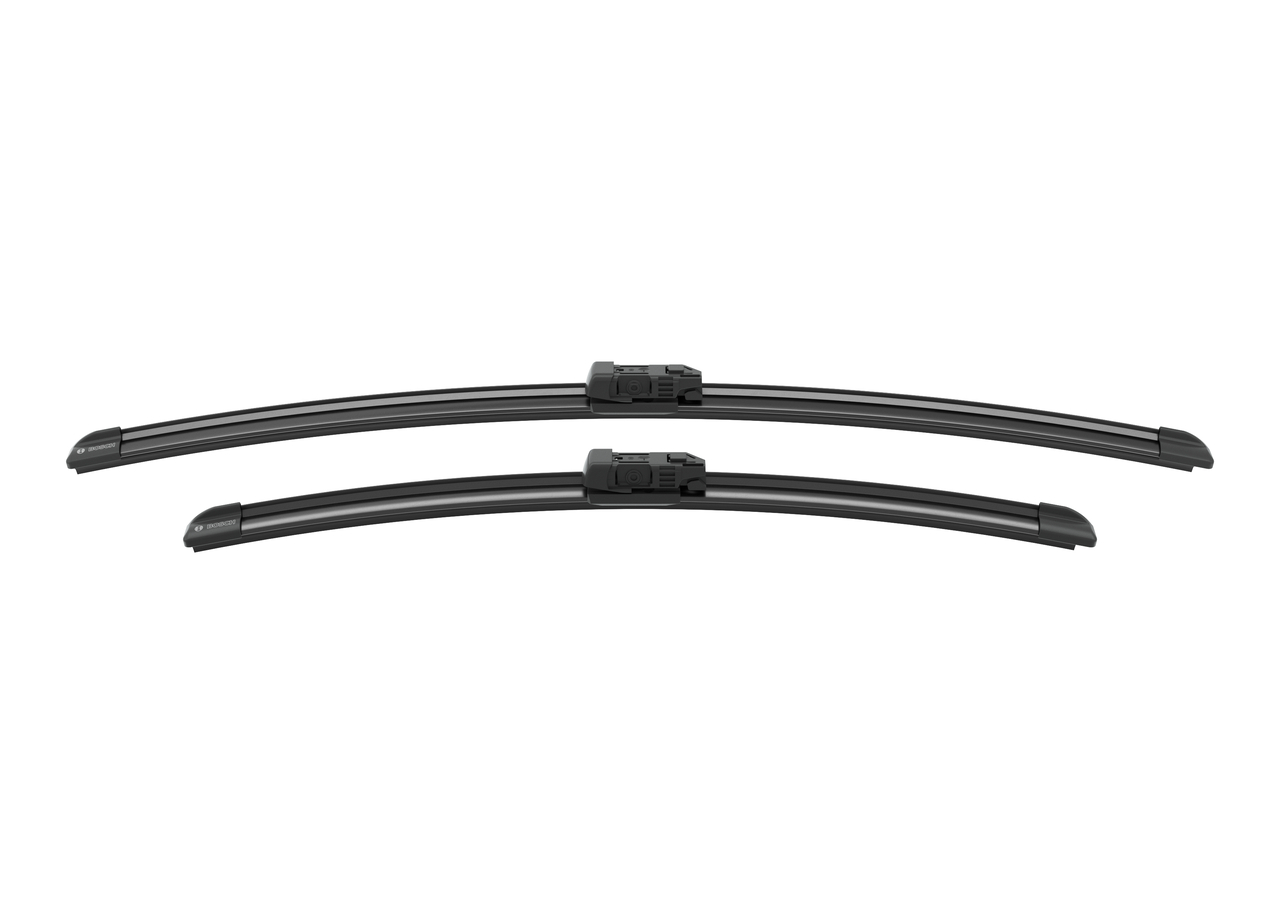
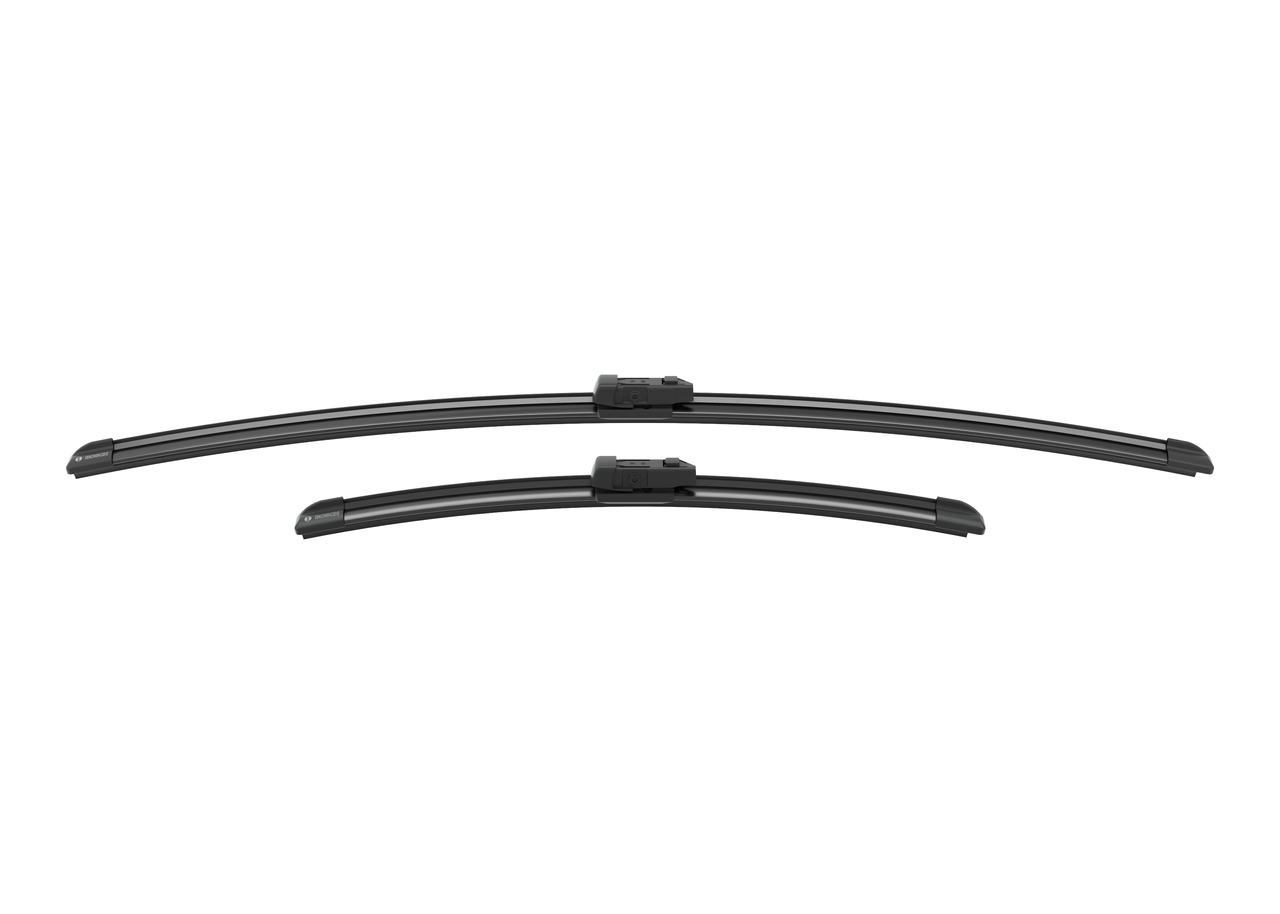
Wiper blades rear and front for car
Order Windscreen wipers rear and front at a fair price
Wiper blade: top brands
Windscreen wipers for leading car makes
Windscreen wipers for top car models
AUTODOC Bestsellers: Wiper blade at a good price
View bestsellersThe top-selling spare parts in the Wiper blades category. Browse our huge wide range of high-quality car parts from top brands in the category Wiper blades and others.
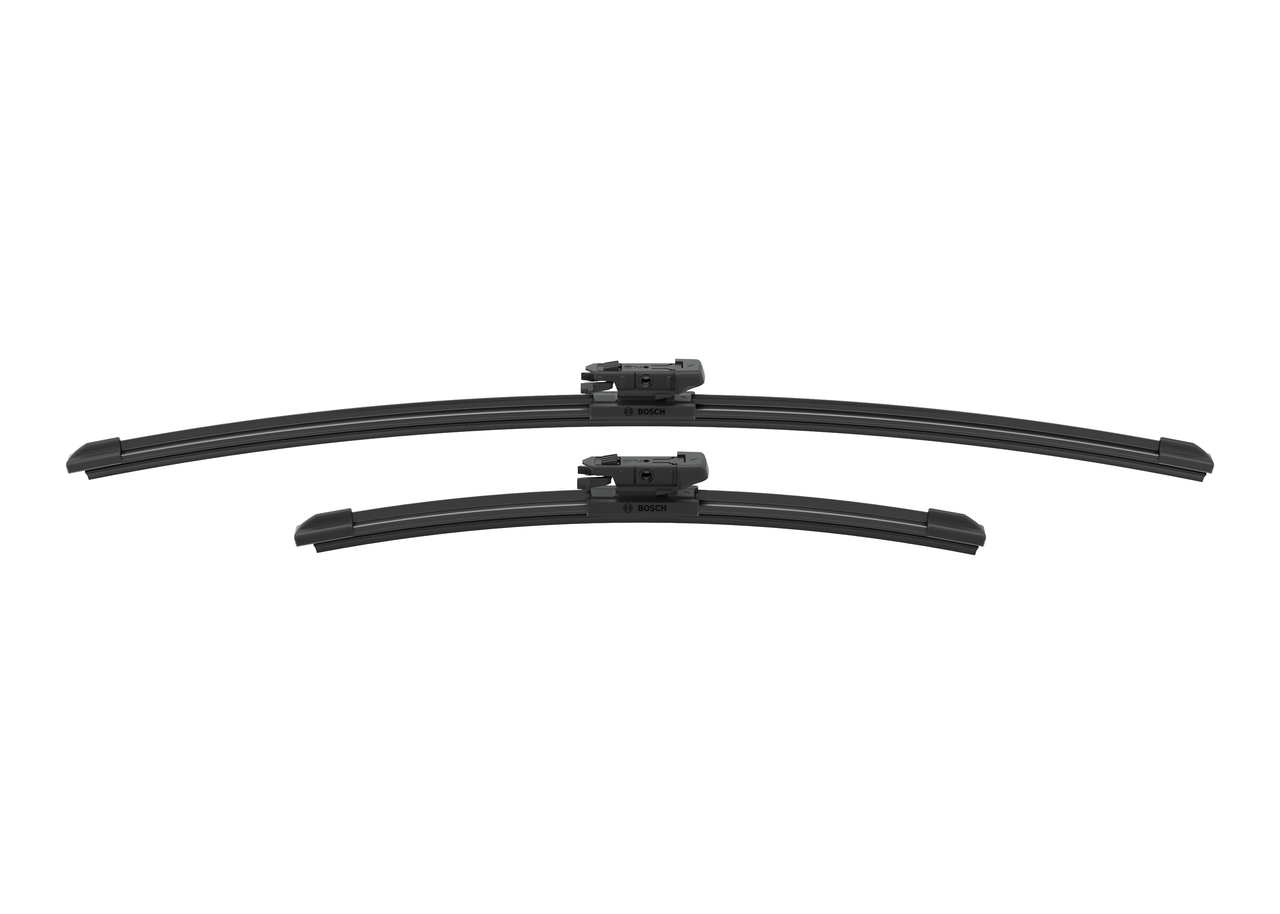
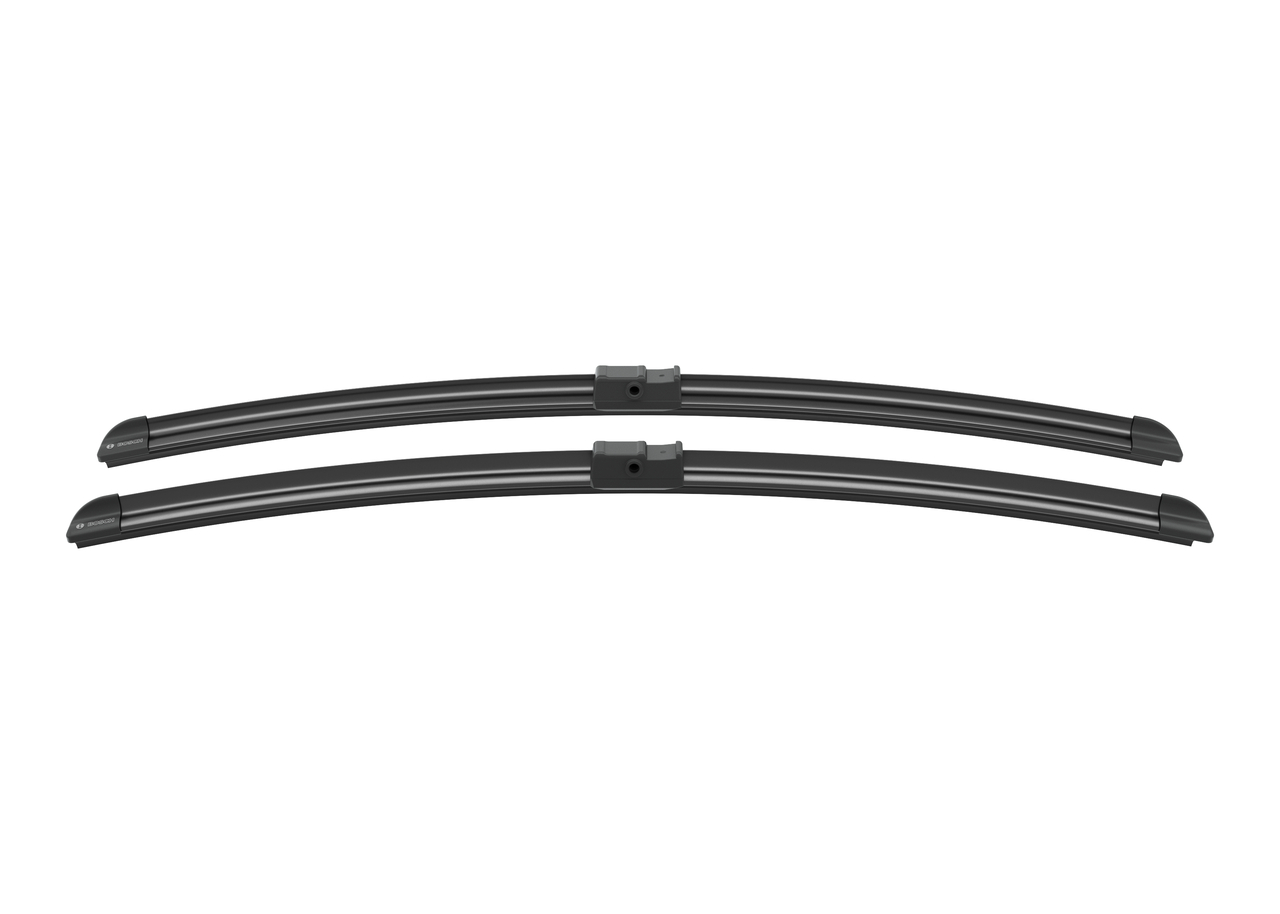
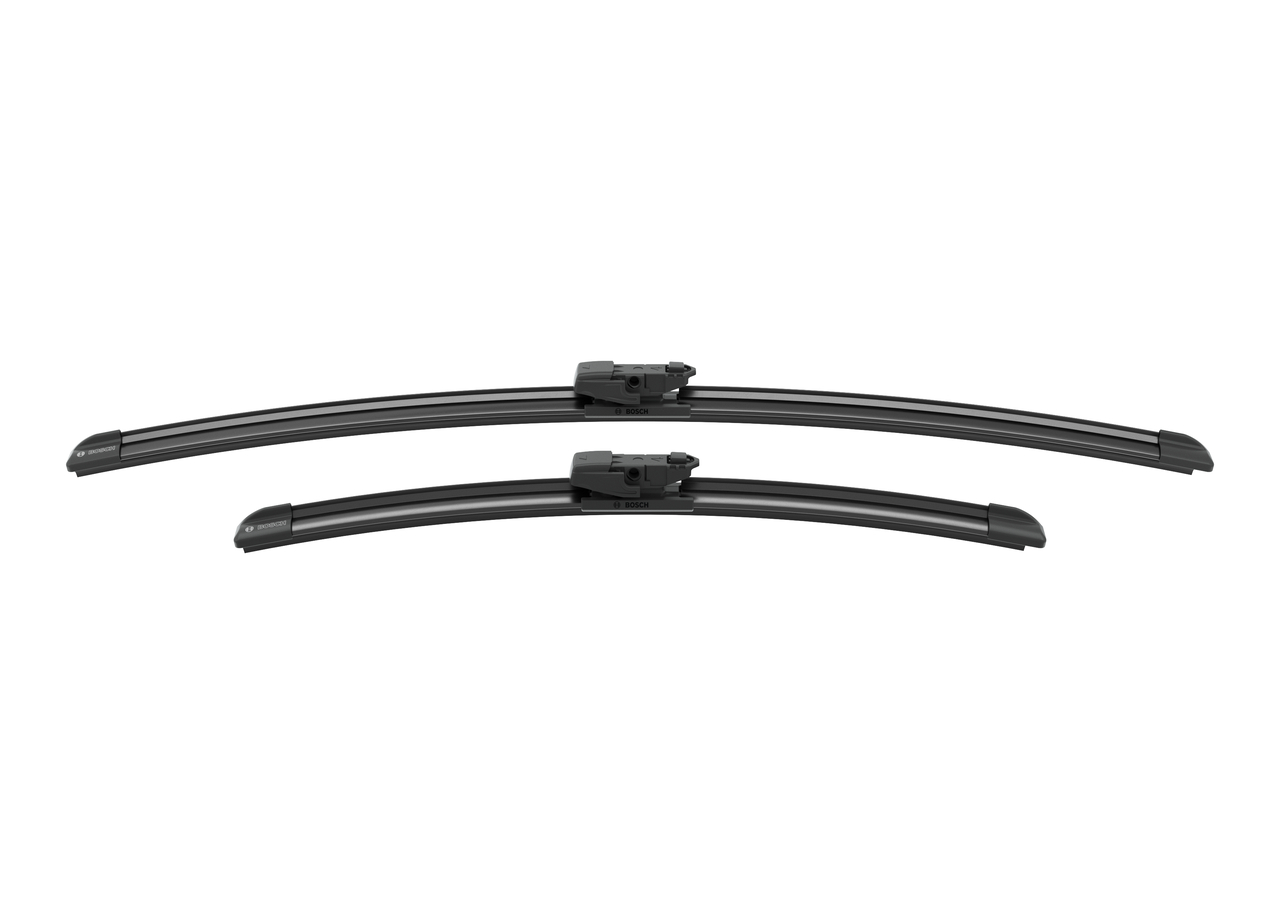
BOSCH 420 Wiper blade
425 mm Front, Standard, Hook fixing
BOSCH H 306 Rear wiper blade
300 mm, Standard
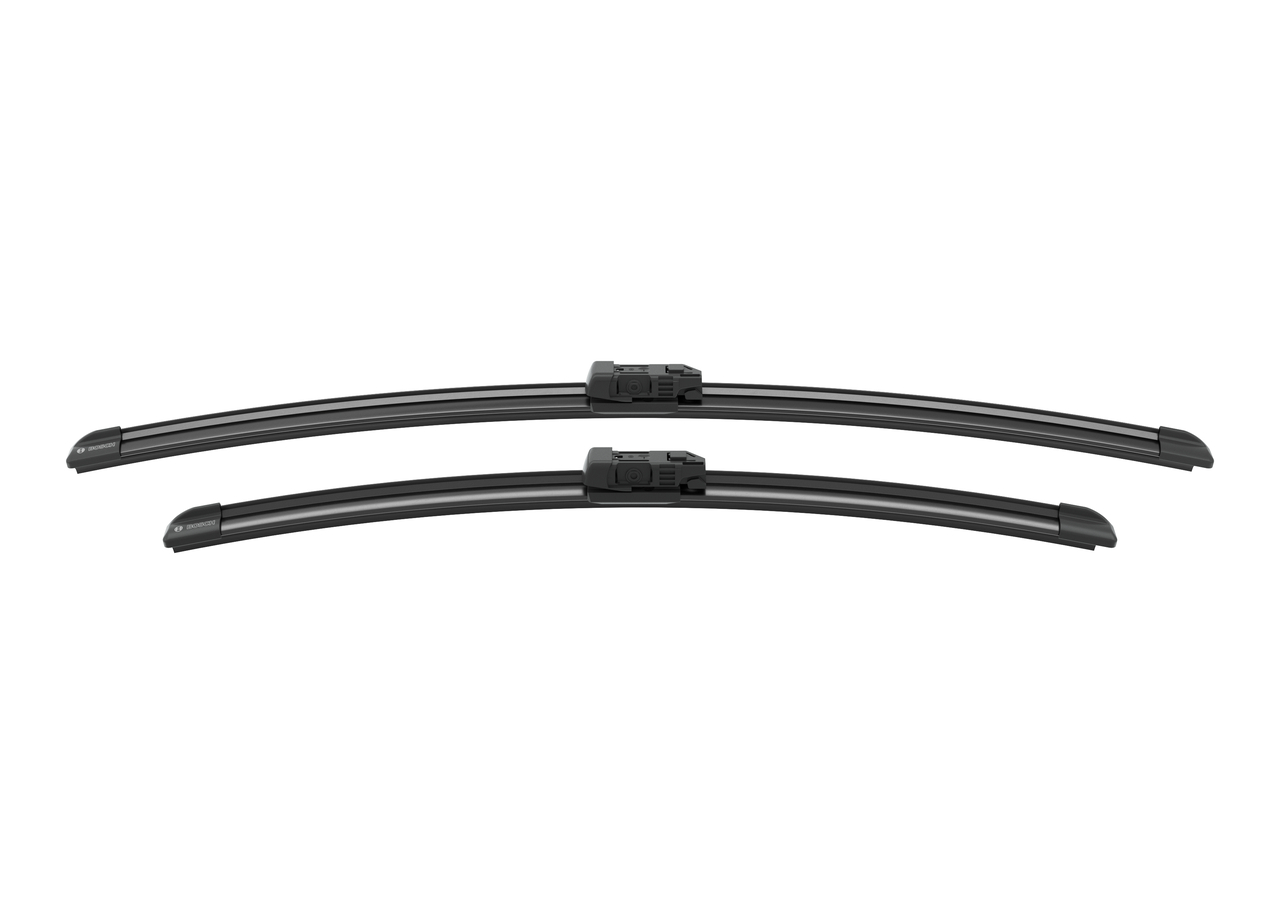
BOSCH H 312 Rear wiper blade
300 mm, Standard
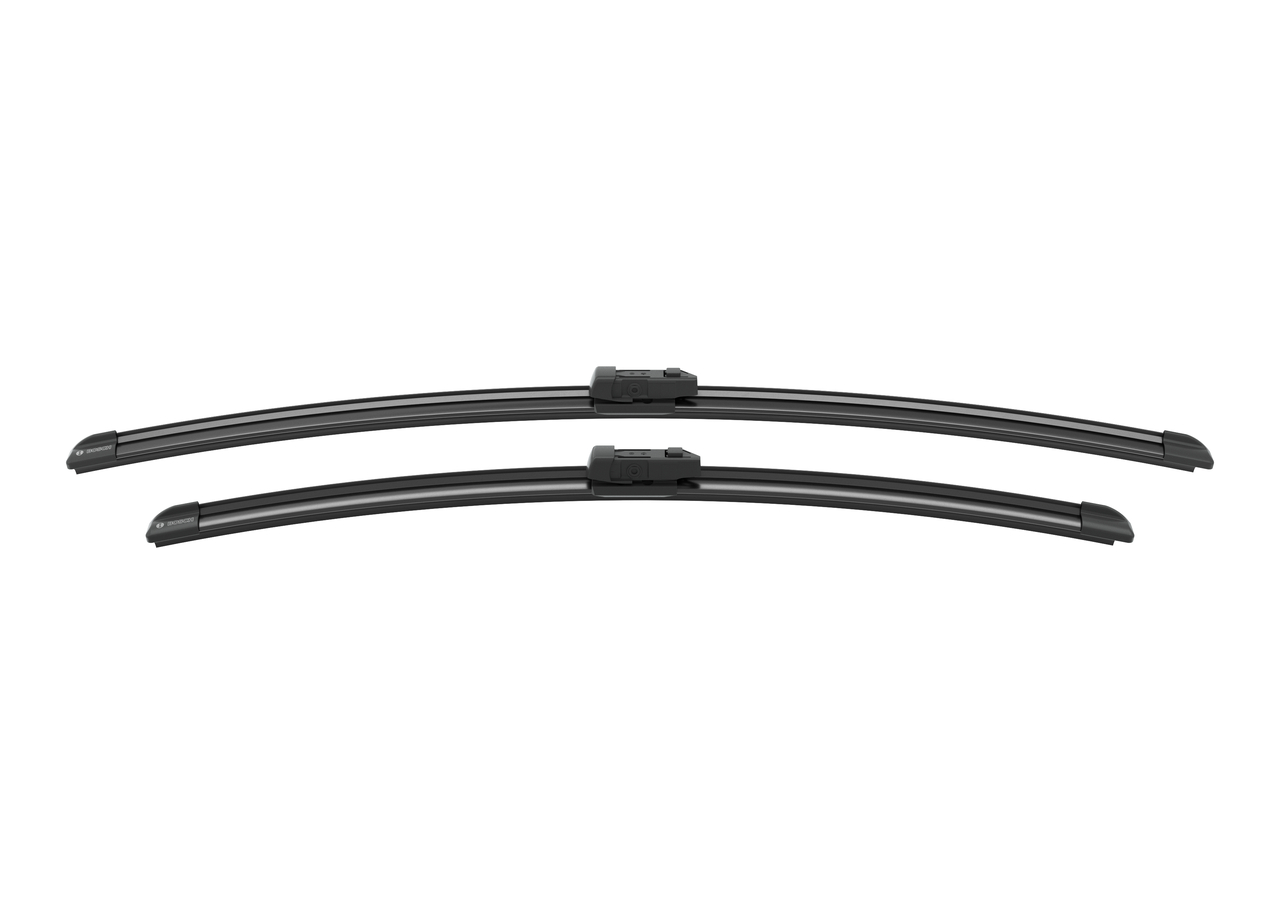
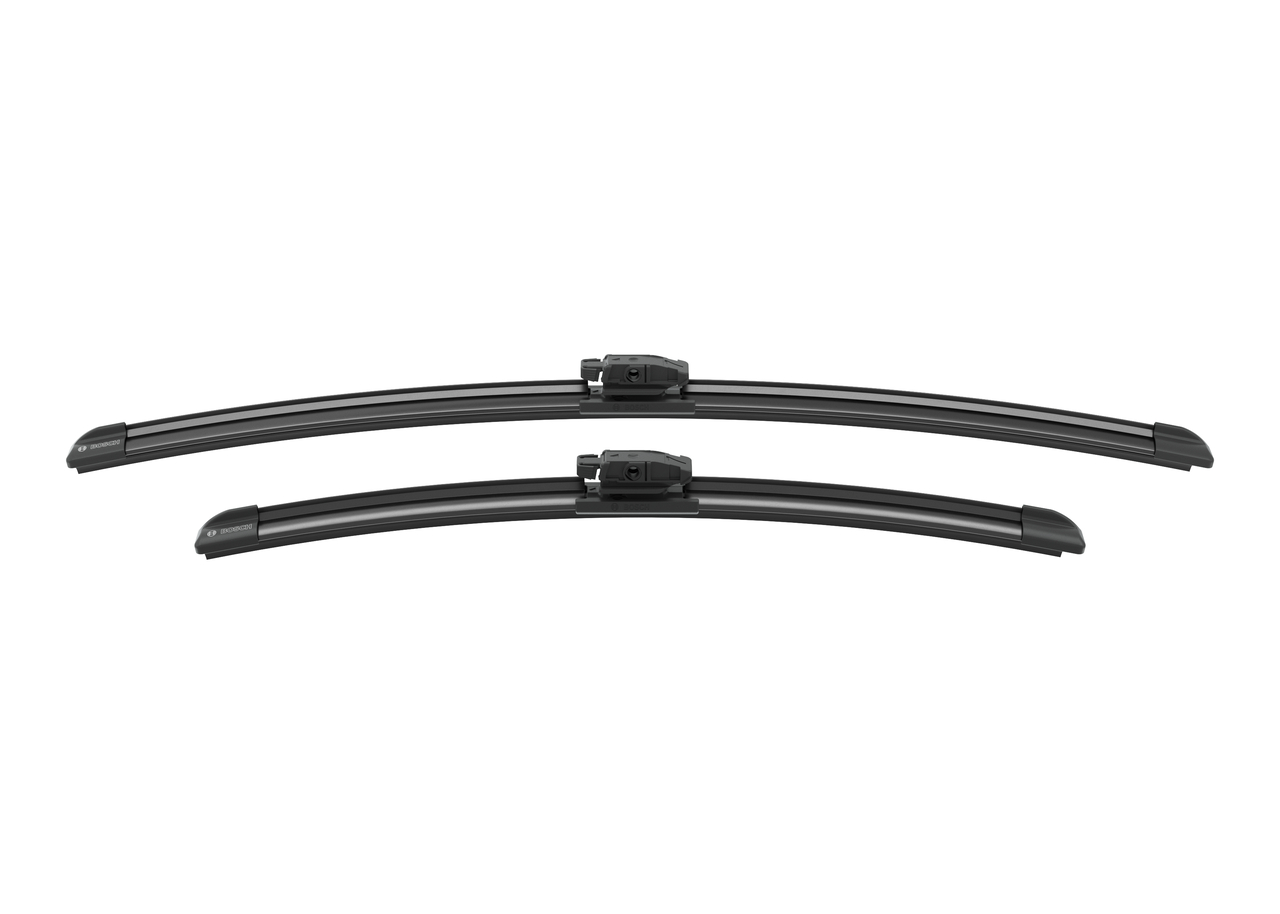
BOSCH 530 Wiper blade
530 mm Front, Standard
Replacement of Wiper blades: Video repair guide
How to change front wiper blades / front windscreen wipers / front window wipers / front windshield wipers on OPEL ASTRA H TUTORIAL | AUTODOC Top bra...
Step by Step Video Tutorial for Do-it-yourself Auto Repair. Become an amateur mechanic with Autodoc.
| The bestselling products: | |||||
|---|---|---|---|---|---|
| 3 397 005 828 | 3 397 011 432 | 3 397 005 158 | 3 397 008 634 | 3 397 011 678 | 3 397 011 630 |
| For popular car brands: | |||||
| VW | MERCEDES-BENZ | BMW | AUDI | OPEL | FORD |
| Wiper blades – technical details | |||||
| Length [mm] | Product line | Length [inch] | |||
| 250 | 200 | Rear | Twin Rear | 26 | 16 |
| 300 | 400 | ECO | Aerotwin Rear | 19 | 23 |
| 650 | 500 | FIRST MULTICONNECTION | Aerotwin | 25 | 28 |
What are Wiper Blades?
Wiper blades are mechanical devices that remove water, dirt, and snow from the front and rear window of a vehicle. The system consists of a fluid reservoir, pump, nozzles, electric motor, and wiper blades with rubber elements. The purpose is to ensure the driver has full visibility in all weather conditions.
The first patent for windscreen wipers was registered in the US in 1903. Since then, the basic principle has not changed: a rubber blade attached to a metal or plastic frame moves across the glass and displaces liquid.
Modern cars are often equipped with rain sensors, which are located in the rearview mirror area. They operate using infrared radiation: the electronics detect changes in light reflection when drops hit the glass and automatically activate the wipers, adjusting the frequency of sweeps according to precipitation intensity.
Construction and Operating Principle
The windscreen wiper system includes several components. The washer fluid reservoir holds 2–5 litres. In winter, winter screenwash or antifreeze concentrate is added. The pump delivers fluid through nozzles onto the glass.
The electric motor drives the linkage arms with wiper blades. The rubber blade passes across the glass, displacing fluid and dirt. When working correctly, there should be no streaks, smears, or squeaking. If these problems appear, the wiper blades require replacement.
Wiper Movement Patterns
Cleaning efficiency depends on linkage kinematics. There are several main movement patterns:
- Tandem (parallel). The most common variant, where both wiper blades move in the same direction.
- Opposed (Butterfly). Wiper blades move in opposite directions, sweeping outwards from the centre. This allows cleaning the maximum area on wide windscreens (found on MPVs and some Mercedes and Honda models).
- Single-arm. One wiper blade is used, which moves in a complex trajectory, covering almost the entire glass area.
Front and Rear Wiper Blades
Front wiper blades are longer (450–700 mm), more powerful, and more expensive. Rear wipers are shorter (250–400 mm), often of conventional construction, cheaper.
Front wiper blades experience greater load: they work more frequently, clean a larger area, and are subjected to oncoming airflow at speed. Service life for front wipers is 6–12 months, and 12–18 months for rear wipers.
Replace front wiper blades in pairs — different characteristics between left and right will lead to uneven cleaning. The rear wiper blade is replaced separately as it wears.
In addition to the main windscreen, a number of older models such as Volvo and Saab SUVs use headlamp wipers. These miniature blades have their own linkages and help maintain light beam brightness in heavy slush where standard washers are insufficient. However, most modern vehicles have replaced these mechanical wipers with high-pressure washer jets.
Types of Wiper Blades
Conventional Wiper Blades
Traditional construction with metal frame and several pressure points. Cheaper than flat blades, but less effective at high speeds. The frame is susceptible to corrosion and icing in winter. Suitable for budget and older vehicles.
Flat Wiper Blades
Modern construction without visible frames. A spring inside the rubber profile ensures uniform pressure along the entire length. More aerodynamic, quieter, more effective at high speeds. Less prone to freezing in winter. Recommended for most modern vehicles.
Hybrid Wiper Blades
Combination of conventional and flat blade construction. Compact frame inside streamlined housing to provide superior downforce and aerodynamics. Used in premium vehicles and sports models.
Standard Wiper Blade Sizes
Wiper blade length is selected strictly according to vehicle model. Using excessively long wipers can lead to them colliding (or clashing) with each other, whilst excessively short ones result in uncleaned zones.
| Category | Typical Length Range (mm) | Features |
|---|---|---|
| Driver's side | 500–750 mm | The longest wiper blade for maximum driver visibility |
| Passenger side | 400–550 mm | Usually shorter than the driver's side to prevent arm collision |
| Rear | 250–400 mm | Compact wiper blade, often with specific attachment |
Signs of Wiper Blade Wear
Wiper blades are consumable items. Their service life depends on operating conditions, but typically amounts to 6–12 months. While premium wipers maintain their performance significantly longer, budget variants often begin leaving streaks much sooner due to rapid wear of the cleaning edge.
Visual Signs
- Cracks and tears in rubber. The rubber blade should be smooth and elastic. If there are any cracks, tears or hardening, the rubber blade requires replacement.
- Frame deformation. A bent frame or arm does not provide uniform pressure on the glass.
- Corrosion of metal elements. Rust on the frame or fixings indicates wear.
Operational Signs
- Streaks on glass. After the wiper blade passes, water streaks remain — the blade does not adhere to the glass.
- Smears and gaps. The wiper blade misses sections or smears dirt.
- Squeaking and vibration. Rubber catches on glass, producing an unpleasant sound.
- Wind lift. At high speed, the wiper blade lifts off the glass due to poor aerodynamics (often solved by using blades with spoilers) or weak tension in the wiper arm.
Causes of Windscreen Wiper Squeaking
- Dirt on wiper blades or glass. Dust, pollen, tree sap, car wash wax residue impede rubber sliding.
- Dry glass. Rubber catches on dry surfaces. Always use washer fluid before activating wipers.
- Rubber wear. Hardened or cracked rubber loses elasticity and squeaks.
- Incorrect installation angle. The blade should stand perpendicular to the glass. Incorrect angle leads to squeaking and juddering.
- Glass damage. Chips, scratches, or irregularities prevent the wiper blade from sliding.
How to Eliminate Squeaking
Clean the glass with warm water and car shampoo or automotive glass cleaner. Remove wax and resin residue. Wipe the wiper blades gently with a damp cloth to remove dirt without stripping the graphite coating. Check installation angle — the blade should be perpendicular to the glass. If squeaking persists — replace the wiper blades.
Do not use solvents or petrol for cleaning — they destroy rubber and the protective coating on glass. In winter, do not activate wipers frozen to the glass — you may burn out the motor or damage the mechanism.
Wiper Blade Costs
| Wiper Blade Type | Brand | Price per Set (2 pcs), € | Features |
|---|---|---|---|
| Conventional | Budget (e.g., Ridex) | 8–15 | Basic construction and service life (6–9 months) |
| Conventional | Bosch Twin | 15–30 | Dual-compound rubber, improved cleaning |
| Flat | Budget (e.g. Ridex, Stark) | 12–25 | Basic flat blades |
| Flat | Bosch Aerotwin | 20–40 | Best aerodynamics, quiet operation, service life up to 12 months |
| Flat | SWF Visioflex/Valeo Silencio | 25–45 | OEM for VW, Audi, Mercedes |
| Hybrid | Denso Hybrid/Heyner | 20–45 | Combination of frame and flat design. Premium class, maximum efficiency |
| Rear | Universal | 8–20 (1 pc) | Shorter than front, often conventional |
Universal wiper blades are cheaper, but require adaptor selection. Vehicle-specific wiper blades cost 20–30% more, but install without adaptors and fit precisely by length.
Choosing Between Original and OEM
When purchasing in Germany, drivers often choose between two categories:
- Original. Wiper blades in branded packaging from vehicle manufacturers (BMW, VW, Mercedes). Guarantee 100% compatibility, but cost 30–50% more.
- OEM (Original Equipment Manufacturer). Wiper blades from the same factories that supply parts to assembly lines (Bosch, Valeo, SWF), but under their own brand. These are virtually identical to “original” products in quality and performance, but at a more competitive price.
Replacement Intervals
Manufacturers recommend wiper blade replacement every 6–12 months or when signs of wear appear. In Germany's climate with frequent rain and frost, the optimal interval is once per year, preferably before winter.
Factors Affecting Service Life
- Weather. Ultraviolet radiation, frost, heat accelerate rubber degradation by 30–50%.
- Parking Outdoors. Constant exposure to elements (sun, tree sap, frost) destroys rubber faster than garage parking.
- Frequency of use. Daily operation shortens service life.
- Wiper blade quality. Budget types last 6–9 months, premium (e.g., Bosch Aerotwin) — up to 12–15 months.
- Maintenance. Regular cleaning of wiper blades and glass extends service life by 20–30%.
When to Replace Early
- Streaks or smears on glass after wiping
- Squeaking or vibration during operation
- Visible cracks or tears in rubber
- Wiper blade lifts or skips at high speed
- Missed sections of glass (unwiped patches)
Attachment Types (Mounting)
There are more than 10 types of connectors on the market. The most popular for older vehicles is “Hook” (U-Hook), however modern European brands use specific clips: Push Button, Side Pin, Pinch Tab, or Bayonet. Most universal wiper blades from Bosch or SWF are supplied with a set of adaptors (Multi-Clip), allowing installation of the same wiper blade on different types of arms.
Wiper Blade Replacement
The replacement procedure takes 5–10 minutes and requires no special tools.
Replacement Instructions
- Check for “Service Mode”: on many modern cars, wipers are hidden under the bonnet. Check your manual to activate “Service Mode” (moving wipers to the vertical position) before lifting.
- Protect the glass: place a thick cloth or towel on the windscreen under the wiper arm. (If the bare metal arm snaps back, it can crack the glass).
- Lift the wiper arm perpendicular to the glass.
- Release the blade: find the button, latch, or clip on the attachment. Press it and slide/pull the blade out.
- Install the new blade: insert the new blade into the arm until it clicks or locks into place.
- Lower the arm onto the glass carefully.
- Repeat for the second wiper blade.
There are more than 10 types of attachments (Hook, Pin, Bayonet, etc.). Most modern wiper blades are universal and supplied with a set of adaptors. When purchasing, specify the make, model, and year of manufacture — the seller will select the required length and attachment type.
Workshop Replacement Cost
If you purchase wiper blades at a workshop or service centre, replacement is usually free. When purchasing wiper blades separately, the service cost is €5–15.
Best Windscreen Wiper Brands
| Brand | Country | Price per Set (2 pcs), € | Advantages | Disadvantages |
|---|---|---|---|---|
| Bosch | Germany | 15–45 | Market leader, big range, Aerotwin is the benchmark | High price |
| SWF (Valeo) | Germany/France | 25–45 | The specialist for German cars (VW, Audi, MB). Often includes wear indicators | Range narrower than Bosch |
| Valeo | France | 20–40 | Huge OEM supplier (Renault, Stellantis). Silencio is top quality | Multiple product lines (Silencio vs. First) can confuse buyers. |
| Denso | Japan | 20–45 | Best Hybrid blades on the market. OEM for Toyota/Honda | Limited availability for European models |
| Champion | USA | 15–30 | Solid mid-range choice. Good history | Older design tech compared to SWF/Bosch |
| Ridex | Germany | 8–25 | Unbeatable price. Good availability online | Basic lifespan (6 months) |
| Hella | Germany | 15–30 | Strong German brand heritage. Reliable | Lower recognition compared to Bosch |
For most drivers, Bosch Aerotwin or SWF are optimal — balance of price, quality, and durability.
Windscreen Wiper Maintenance
Proper maintenance extends wiper blade service life by 30–50%.
- Regular cleaning. Every 2–4 weeks, wipe the rubber with a damp cloth and car shampoo (or glass cleaner).
- Glass cleaning. Remove tree resin, wax, insects — they accelerate rubber wear.
- Using quality fluid. Use specialist washer fluid, not water. In winter, add screenwash.
- Avoid dry operation. Always activate fluid delivery before wipers.
- Winter protection. Do not activate frozen wipers. Consider upgrading to flat wiper blades (frameless). For older vehicles with hook arms, look for “Retrofit” versions. These are resistant to freezing as they lack metal joints.
- Park in shade or a garage. Ultraviolet radiation destroys rubber.
- Parking safeguards. Do not lift wipers away from the glass — if they fall, they may crack the windscreen. Instead, use a windscreen cover (or foil blanket) to prevent freezing.
Windscreen Wiper Legislation
In Germany, the technical condition of the glass cleaning system is regulated by § 40 StVZO. Main requirements:
- Mandatory equipment. The vehicle must be equipped with functional, automatically operating windscreen wipers.
- Functionality. The field of view must be kept clear to ensure sufficient visibility for the driver in all weather conditions.
- Consequences of failure. Faulty wipers are classified as a “Significant Defect” during the main inspection (TÜV), leading to failure. Police can also impose fines if visibility is impaired during driving.
TÜV Inspection
Wiper blade functionality is a critical point during the main inspection (HU). The vehicle will be classified as having a “Significant Defect” and fail inspection if:
- Wiper blades leave permanent streaks or smears in the field of vision
- The rubber lip is torn or damaged
- Windscreen wipers do not work on at least one of the designated speeds
Important: if these defects are identified, the owner must replace the wiper blades and undergo re-inspection within one month. Missing this deadline requires a full new inspection.
Fines and Financial Risks
Fines: driving with defective wipers typically incurs a €5 fine. However, if visibility is severely impaired (e.g., during rain) and traffic safety is endangered, the fine can increase to €90 plus 1 point in Flensburg.
Insurance: if an accident occurs due to poor visibility caused by faulty wipers, the insurer may classify this as “gross negligence”. This allows them to reduce the compensation payment significantly or, in severe cases, refuse comprehensive coverage (Kasko) entirely.
Disposal of Old Wiper Blades
In Germany, old wiper blades are classified as residual waste and should be disposed of in the black bin. They do not belong in the yellow recycling bin. Alternatively, most workshops will dispose of them for free when fitting new ones.
FAQ
How often should wiper blades be replaced?
Every 6–12 months or when streaks, smears, or squeaking appear. In Germany, the optimal time is once per year, just before winter.
Can only one wiper blade be replaced?
Front wipers should be replaced in pairs to ensure even visibility, as they wear at the same rate. The rear wiper is replaced separately.
Which is better — conventional or flat wiper blades?
Flat blades are superior: quieter, freeze-resistant, and apply even pressure. They cost about 30% more but last longer. Conventional blades are cheaper but technically outdated.
Why do wipers squeak?
Dirt on wiper blades or glass, dry glass, rubber wear, incorrect installation angle. Clean the glass and wiper blades. If squeaking persists — replace the wiper blades.
Can I replace just the rubber strip (refill)?
Yes, but primarily on original manufacturer wipers (OEM) or hybrid blades. It is cheaper (€5–10) but requires manual assembly. Note: most modern aftermarket flat blades (e.g., Bosch Aerotwin) designed as single-use units. The end caps are often fixed, making refilling difficult or impossible without damage.
Can one drive with worn wiper blades?
Technically yes, but it is dangerous and illegal if visibility is impaired. Poor visibility significantly increases accident risk. Consequences: you risk a €5 fine (up to €90 + 1 point if endangering traffic). Additionally, in an accident, insurance may reduce or refuse payment due to gross negligence.
What are winter wiper blades?
Traditionally, these were metal blades encased in a rubber boot to prevent freezing. However, for modern cars, flat (frameless) blades are the standard winter solution. They have no exposed metal joints to ice up and offer better aerodynamics than the old “booted” style.
How to properly clean rubber wiper blade elements?
To remove accumulated dirt and pollen, wipe the rubber gently with a soft cloth moistened with warm water and car shampoo. Doing this every 2–4 weeks prevents smears and can extend wiper blade longevity by 30–50%.
Confidence in online shopping! You can return wiper blades without explanation within 200 days after purchase and get your money back. How? Just use the Safe Order service on the checkout page. The service cost is only 2,99 €.
Each order from 120,00 € value of goods, include free shipping within Germany.
*Does not apply to large-size auto parts.